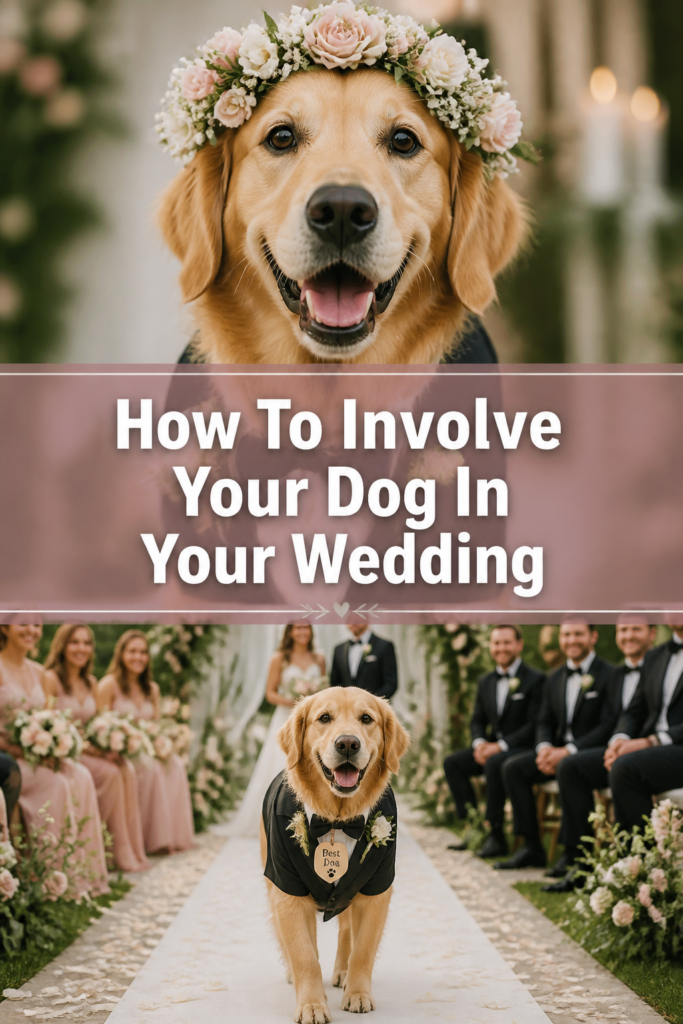
🐶 How To Involve Your Dog In Your Wedding
Wedding Planning
No fluff, no drama. Just easy weekly advice, planning shortcuts, and gentle reminders to help you actually enjoy your engagement.
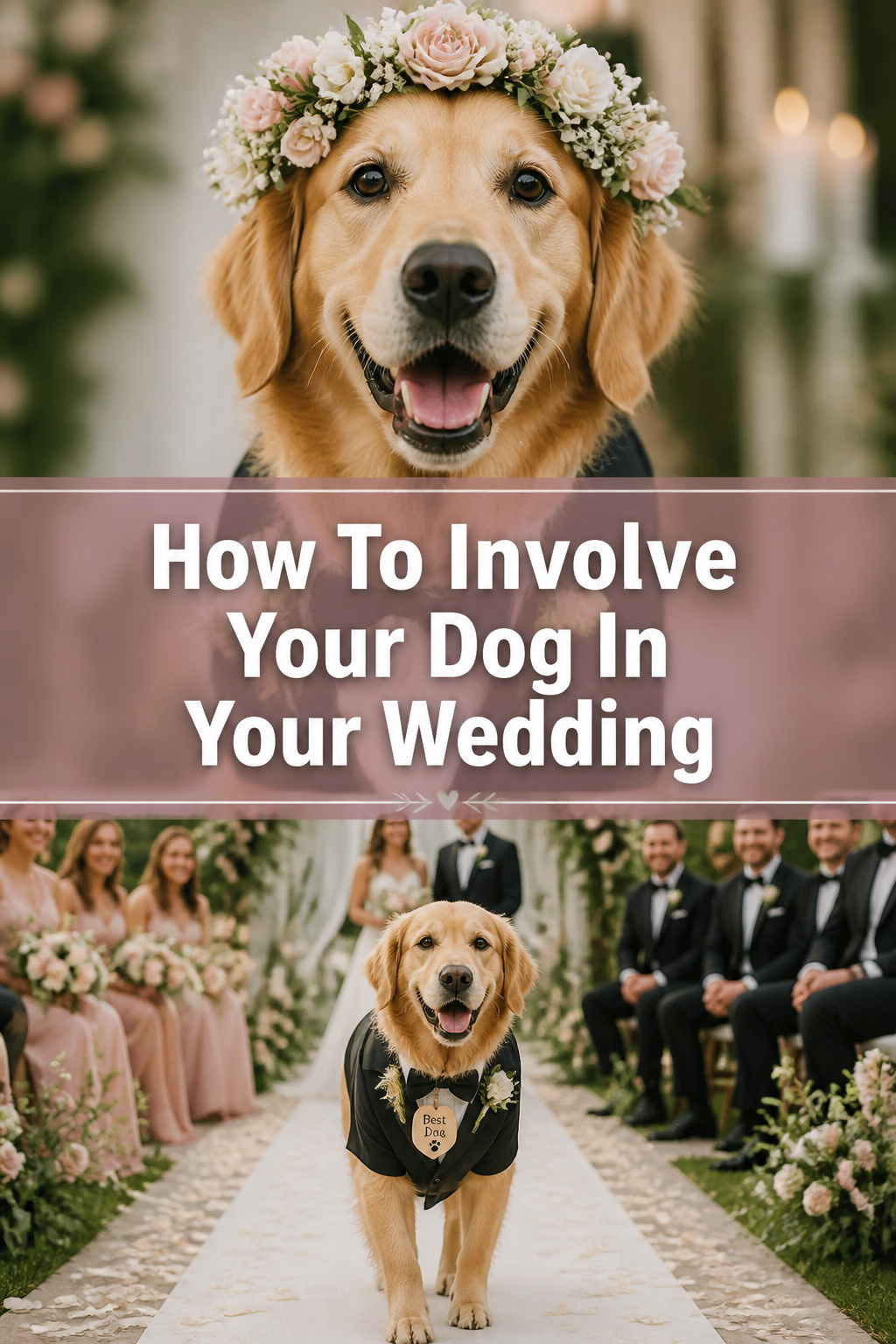
I remember the day my Golden Retriever, Cooper, walked down the aisle at my own wedding.
He had a GoPro attached to his back and a bowtie that was slightly crooked, but his presence made the day feel complete.
This guide comes from years of helping couples integrate their pets into their big day while avoiding the chaos that often follows a four-legged guest.
Quick Overview
Involving your dog requires a blend of realistic expectations, specialized training, and logistical planning.
By the end of this guide, you will have a clear roadmap to ensure your dog is a highlight of the ceremony rather than a source of stress.
- Time needed: 3 to 6 months of preparation.
- Difficulty: Intermediate (requires consistent training).
- What you’ll need: A pet-friendly venue, a dedicated handler, high-value treats, and safe wedding attire.
Step-by-Step Instructions
Step 1: Conduct a Personality Audit
Assess your dog’s temperament in large crowds and noisy environments before making any plans.
A dog that barks at strangers or jumps on new people might find a wedding ceremony overwhelming.
Think about how they react to music, clapping, and being stared at by dozens of people at once.
If your dog is anxious or reactive, it is kinder to give them a smaller role or include them only in photos.
Pro Tip: Take your dog to a busy park or an outdoor cafe to see how they handle distractions and strangers before committing to an aisle walk.
Step 2: Verify Venue and Vendor Policies
Confirm that your venue is truly “pet-friendly” and not just “pet-tolerant” for a quick photo session.
Ask for their specific pet policy in writing to avoid any last-minute surprises or hidden cleaning fees.
Some venues require dogs to be leashed at all times or restricted to outdoor areas only.
Check with your caterer to ensure there are no health code violations if the dog enters the dining area.
You should also inform your photographer and videographer so they can prepare for a moving, unpredictable subject.
Step 3: Hire a Professional Pet Attendant
Delegate the responsibility of your dog to a professional handler rather than a wedding guest.
Your friends and family want to enjoy the wedding, and they may get distracted during critical moments.
A professional pet sitter or “wedding dog walker” will keep your dog fed, watered, and exercised throughout the day.
They can also handle the logistics of transporting your dog back to a hotel or home after their “duties” are finished.
This ensures the dog is always supervised and you are not worried about potty breaks during your vows.
Step 4: Choose a Practical Role
Select a role that matches your dog’s energy level and training history.
The “Ring Bearer” is a classic choice, but it requires a dog that can walk a straight line without chasing a squirrel.
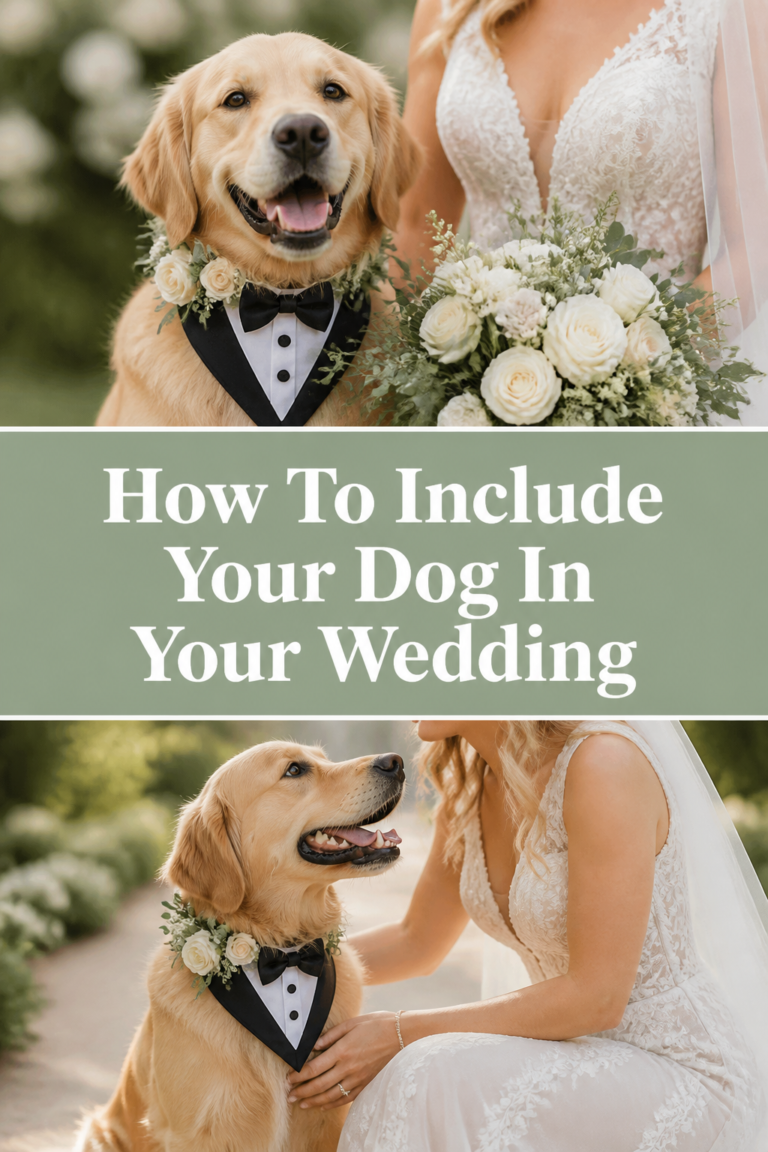
A “Flower Dog” can wear a floral collar and walk with a bridesmaid if they need a little extra guidance.
If your dog is more of a “people person,” they could serve as a “Greeter” at the entrance of the ceremony site.
For dogs that are easily overstimulated, having them present only for the “First Look” photos is often the best compromise.
Step 5: Prioritize Safe and Comfortable Attire
Measure your dog carefully before purchasing any tuxedos, tutus, or floral collars.
Ensure the outfit does not restrict their movement, breathing, or ability to go to the bathroom.
Avoid heavy fabrics if you are having a summer wedding, as dogs can overheat quickly in the sun.
Check for small parts like buttons or sequins that could be chewed off and swallowed.
Introduce the outfit weeks before the wedding so they can get used to the sensation of wearing it.
Pro Tip: Use a harness-style tuxedo rather than a full suit to keep your dog comfortable and secure on their leash.
Step 6: Master the “Aisle Skills”
Train your dog specifically for the environment they will face on the wedding day.
Focus on the “Leave It” command to prevent them from sniffing guests or eating dropped appetizers.
Practice “Look at Me” to help your photographer capture those perfect shots where the dog is looking at the camera.
Work on a rock-solid “Stay” so they can remain calm at the front of the ceremony while you exchange rings.
Conduct these training sessions in various locations with different noises to generalize the behavior.
Step 7: Plan the Photography Strategy
Schedule dog-related photos for the beginning of the day when your dog has the most energy and focus.
Bring high-value treats or their favorite squeaky toy to grab their attention during group shots.
Ask your photographer to use a fast shutter speed to capture candid moments of your dog’s personality.
Ensure there is a “handler” standing right behind the photographer to guide the dog’s eye line.
Be prepared for “imperfection,” as some of the best photos are the ones where the dog is doing something unexpected.
Step 8: Arrange a Quiet Retreat
Designate a quiet, shaded area where your dog can rest away from the music and the crowd.
Weddings are loud and can be stressful for even the most social animals.
Provide a familiar bed, plenty of fresh water, and a few puzzle toys to keep them occupied.
Most dogs should be taken home or to a boarding facility once the reception begins and the music gets louder.
This prevents them from getting stepped on during the dancing or accidentally eating toxic wedding food.
Common Mistakes to Avoid
Using a Guest as the Primary Handler
Couples often ask a cousin or a bridesmaid to watch the dog to save money.
This usually leads to the guest missing out on the ceremony because the dog is pulling or needs to go outside.
It also increases the risk of the dog being neglected if the guest gets caught up in a conversation or a toast.
Using Toxic Flowers in Collars
Many popular wedding flowers, such as lilies, hydrangeas, and baby’s breath, are toxic to dogs if ingested.
Dogs often paw at their collars or try to chew on the greenery around their necks.
Always double-check your floral choices with a vet-approved list or use high-quality silk flowers for the dog’s accessories.
Forgetting the “Potty Protocol”
Adrenaline and excitement can change a dog’s bathroom schedule.
If you don’t build in specific times for the dog to relieve themselves before the aisle walk, accidents will happen.
The handler should walk the dog 15 minutes before the ceremony starts to ensure they are “empty” and calm.
Troubleshooting
The Dog Starts Barking During the Vows
This is a common issue caused by excitement or a desire for attention.
The handler should be prepared to calmly and quickly lead the dog away from the ceremony area.
Do not scold the dog, as this creates more noise; simply have the handler use a high-value lure to exit quietly.
The Dog Refuses to Walk Down the Aisle
Stage fright is real for pets, especially when they see a long “runway” of staring strangers.
If the dog freezes, have the person they are closest to call them from the other end.
If they still won’t move, have the handler pick them up or walk them down on a leash without making a scene.
Muddy Paws on the Wedding Dress
This is the nightmare scenario for many brides, especially with jumpy dogs.
Keep a “paws-off” rule for the dog until the photos are finished, or use a “paw station” with wipes.
The handler should keep the dog on a short lead when near the couple to prevent any accidental lunging or jumping.
Key Takeaways
- Know your dog: Only include them if their personality suits a high-stress environment.
- Hire help: A professional pet sitter is the best investment you can make for a stress-free day.
- Safety first: Use non-toxic flowers and comfortable, secure harnesses for all pet attire.
- Practice often: Run through the ceremony logistics at the rehearsal so the dog knows the routine.
- Have an exit plan: Ensure the dog has a way to get home before the party gets too loud.
- Embrace the chaos: Dogs are unpredictable, so stay flexible and enjoy the unique moments they bring.
Frequently Asked Questions
Can I have my dog at the reception?
While some dogs can handle a reception, most find the loud music, dancing, and dropped food overwhelming.
It is generally better to have the dog present for the ceremony and photos, then whisk them away to a quiet environment.
If you must have them there, ensure they have a crate or a fenced-off area where they can feel safe.
How do I keep my dog from jumping on guests?
Consistent training with the “Off” command is essential in the months leading up to the wedding.
On the day of, keep the dog on a short leash and ask guests not to approach the dog until they are sitting calmly.
Having the handler provide a constant stream of small treats for “four paws on the floor” can also help.
What if my dog is too old or anxious to attend?
You can still honor your pet by including their likeness in the wedding decor.
Consider custom cocktail napkins with their face, a “signature drink” named after them, or a small charm on your bouquet.
This allows them to be part of the day without the physical or emotional stress of the event itself.
Our Top Recommended Finds
- Hands-Free Leash: This allows the handler to control the dog while still having their hands free for treats or gear.
- Cooling Vest: Ideal for outdoor summer weddings to prevent the dog from overheating under their “formal” wear.
- Portable Water Bowl: A collapsible silicone bowl is easy for the handler to carry and ensures the dog stays hydrated.
Your Best Friend’s Big Day Too
Including your dog in your wedding can create some of the most cherished memories of your life.
By focusing on their comfort and safety, you ensure that they enjoy the day as much as you do.
Start by scouting out a pet-friendly venue this week and looking into local professional pet sitting services.
With the right preparation, your furry best friend will be the perfect addition to your celebration.
Wedding Planning
No fluff, no drama. Just easy weekly advice, planning shortcuts, and gentle reminders to help you actually enjoy your engagement.