🧒 How To Incorporate Kids In A Wedding
Wedding Planning
No fluff, no drama. Just easy weekly advice, planning shortcuts, and gentle reminders to help you actually enjoy your engagement.
Planning a wedding is a joyous journey, but for couples with children, or those with many young nieces and nephews, it comes with unique considerations. I remember feeling overwhelmed trying to balance our vision for the day with ensuring our little ones felt included and happy. This guide draws from my own experiences and plenty of research to help you seamlessly blend family into your special celebration.
You’ll discover practical strategies and creative ideas to make your wedding day memorable for everyone, big and small.
Quick Overview
This guide will walk you through incorporating children into your wedding with grace and fun. You’ll learn how to assign roles, manage expectations, and create a child-friendly atmosphere.
- Time needed: 2-4 hours of planning spread over your wedding preparation
- Difficulty: Intermediate
- What you’ll need: Guest list with ages, open communication with parents, a budget for kid-specific items
Step-by-Step Instructions
Step 1: Determine Their Roles and Involvement
Decide early on how much you want children to participate in your wedding. This decision will shape many other choices you make. Consider the age and temperament of each child.
Younger children might thrive in simpler roles, while older kids can handle more responsibility. Think about your overall wedding vibe; a very formal event might require different considerations than a relaxed outdoor celebration.
Assess each child’s personality and comfort level.
Talk to their parents about what they think their child can manage.
Pro Tip: Don’t feel pressured to give every child a formal role. Sometimes just being a guest and feeling welcomed is enough.
Step 2: Assign Age-Appropriate Tasks
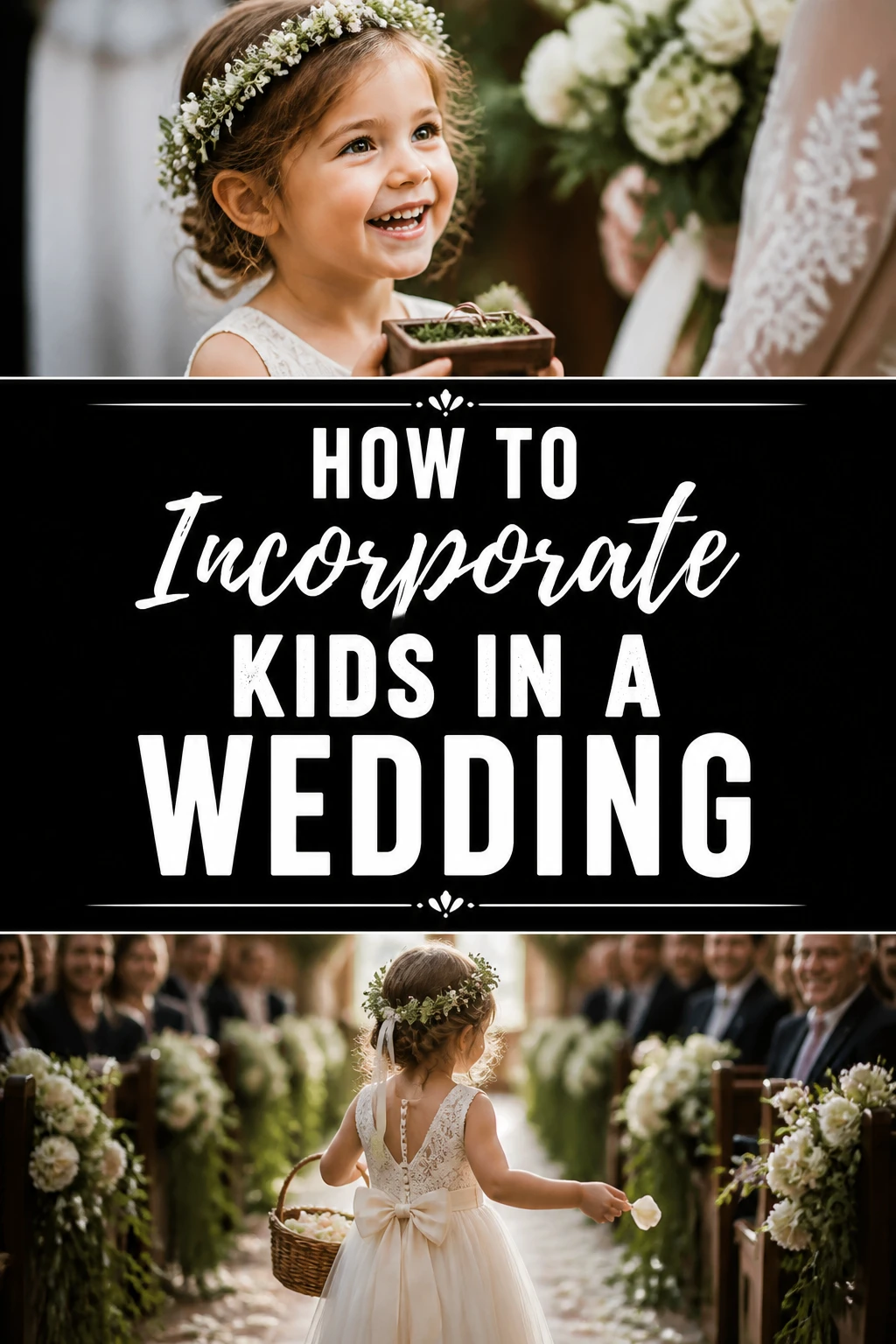
Once you know who is involved, assign roles that match their age and abilities. Classic roles like flower girl and ring bearer are always popular for younger children. For slightly older kids, consider more unique contributions.
Older children can take on junior bridesmaid or groomsman duties. They can also help with guest book signing or hand out programs. Creative roles make them feel special without overwhelming them.
Choose traditional roles for toddlers and preschoolers, like flower girl or ring bearer.
Consider junior attendant roles for children aged 8-12.
Involve teenagers by asking them to usher, read a short poem, or assist with a DIY project.
Step 3: Plan for Their Comfort and Entertainment
A comfortable child is a happy child, and happy children make for a more relaxed wedding. Think about their needs throughout the day, from the ceremony to the reception. Provide age-appropriate activities and spaces.
Consider a dedicated kids’ table at the reception with coloring books, small toys, and snacks. If your budget allows, hiring a professional sitter or entertainer for a few hours can be a game-changer. This helps parents enjoy the celebration too.
Designate a quiet space for naps or downtime during the reception.
Prepare activity bags for children during the ceremony and reception.
Arrange for child-friendly meal options, served at an earlier time if possible.
Step 4: Communicate Clearly with Parents
Open and honest communication with parents is essential for a smooth experience. Share your expectations for their child’s role and the day’s schedule. Discuss attire, timing, and any responsibilities.
Be clear about who is responsible for supervising the children throughout the wedding. This prevents misunderstandings and ensures everyone is on the same page. Provide them with a detailed timeline for the kids.
Send a detailed email or note to parents outlining their child’s role and schedule.
Discuss attire requirements and where they can purchase or rent outfits.
Confirm childcare arrangements and supervision plans for the entire event.
Step 5: Factor in Their Schedules and Needs
Children operate on their own unique schedules, especially when it comes to sleep and food. Try to incorporate their natural rhythms into your wedding timeline where possible. An overtired or hungry child can quickly become a challenge.
If your ceremony is long, consider having younger children join only for a portion of it. Schedule the reception to start earlier if many young children are attending. Offer snacks and drinks readily.
Schedule important moments when children are typically most alert.
Provide plenty of kid-friendly snacks and drinks throughout the day.
Plan for early exits or quiet spaces if children need to leave or rest.
Step 6: Choose Kid-Friendly Attire
Comfort is key when selecting outfits for children involved in the wedding. While you want them to look their best, scratchy fabrics or overly restrictive clothing can lead to meltdowns. Opt for materials that are soft and breathable.
Consider styles that allow for movement and play. For younger children, think about shoes that are easy to walk in and won’t slip off. Have a backup outfit for spills or accidents.
Prioritize comfortable fabrics like cotton or soft blends.
Select styles that allow for easy movement and play.
Have a backup outfit or change of clothes ready for emergencies.
Step 7: Rehearse with Patience and Flexibility
Rehearsals can be challenging with children, so approach them with patience. Keep the rehearsal short and focused for the kids. Walk through their specific parts a few times and then let them go.
Don’t expect perfection; the goal is familiarity, not a flawless performance. Be prepared for things to go off-script on the actual day and embrace the spontaneity. A little humor goes a long way.
Keep rehearsals brief and engaging for children.
Practice their specific roles a few times, then allow them to leave.
Maintain a flexible attitude, understanding that kids will be kids.
Step 8: Capture Their Moments
Children bring an undeniable charm and often unexpected humor to a wedding day. Make sure your photographer knows you want to capture these authentic moments. Discuss specific shots you’d like to include.
From their walk down the aisle to their reactions on the dance floor, these images will be cherished. Don’t forget candid shots of them interacting with other guests. These memories are precious.
Brief your photographer on key moments involving children.
Request candid shots of them throughout the day.
Consider a short, informal photo session with just the kids.
Common Mistakes to Avoid
Over-scheduling or Over-expecting
Couples often get excited and plan too many roles or activities for children, leading to exhaustion and meltdowns. Children have shorter attention spans and need downtime. Keep their involvement simple and allow for plenty of breaks. Focus on making them feel special without overwhelming them with responsibilities.
Ignoring Their Needs for Entertainment and Food
Failing to provide child-friendly food or entertainment can result in bored, hungry, and disruptive children. This impacts not only the kids but also their parents who are trying to manage them. Always have a plan for snacks, drinks, and age-appropriate activities to keep them engaged and comfortable.
Lack of Clear Communication with Parents
Ambiguity about roles, supervision, or expectations can create stress and confusion for parents. They might not know what their responsibilities are or when their child needs to be somewhere. Clear and proactive communication ensures everyone is aligned, allowing parents to relax and enjoy the celebration more.
Forgetting About Naps and Quiet Time
Weddings are long days, and young children especially need breaks from the excitement. Not planning for a quiet space or downtime can lead to overtired and irritable kids. A designated area where children can rest or engage in calm activities is incredibly valuable for their well-being and the overall flow of the day.
Troubleshooting
Child Refuses to Walk Down the Aisle
This is a common scenario, especially with younger children who might get shy or overwhelmed. Do not force them. Have a parent or trusted adult walk with them, or simply let them skip that part. The moment will still be sweet, even if it’s not exactly as planned.
Kids are Getting Restless During the Ceremony
Prepare small, quiet activities like coloring books or sticker sheets for the pews. Have an usher or a designated adult discreetly take restless children out for a short walk. A quick break can often reset their mood and allow them to return calm.
Unexpected Meltdowns or Tantrums
These are almost inevitable when children are involved. The best approach is to have a parent or designated adult quickly remove the child from the main event. A quiet space away from the noise and crowd can help them calm down. Remember, it happens, and guests are usually understanding.
Key Takeaways
- Plan roles based on age and temperament to ensure children feel comfortable and happy.
- Communicate clearly with parents about expectations, attire, and supervision.
- Prioritize comfort and entertainment with kid-friendly food, activities, and quiet spaces.
- Keep rehearsals brief and flexible, understanding that perfection isn’t the goal.
- Capture candid moments of children throughout the day for lasting memories.
- Avoid over-scheduling and over-expecting to prevent meltdowns and stress.
Frequently Asked Questions
Should I invite all children to my wedding?
The decision to invite all children or have an adults-only wedding is entirely yours. Consider your budget, venue capacity, and the overall vibe you want to create. If you have many children in your family or close friends’ families, inviting them all can make the event feel more inclusive.
What if a child gets sick on the wedding day?
It’s wise to have a backup plan. Discuss with the parents beforehand if their child might be prone to illness. Have an alternative person ready to step in for their role if needed. The most important thing is the child’s health and comfort.
How can I make the children feel special without giving them a formal role?
There are many ways to include children without specific duties. You can acknowledge them in your ceremony program or during a speech. Provide special goodie bags, involve them in a group photo, or invite them to join the dance floor early. Simply making eye contact and smiling at them goes a long way.
Is it okay to have an adults-only reception but allow children at the ceremony?
Absolutely. Many couples choose this approach to balance formal and informal aspects of their day. Clearly state this on your invitations, for example, “Children welcome at the ceremony, adult reception to follow.” This helps parents plan for childcare.
Our Top Recommended Finds
- Wedding-themed activity books: These keep kids quietly entertained during the ceremony and speeches.
- Personalized flower girl baskets or ring bearer pillows: A lovely keepsake that makes their role feel extra special.
- Comfortable slip-on shoes for kids: Perfect for dancing and running around without discomfort or tripping hazards.
Crafting a Family-Friendly Celebration
Incorporating children into your wedding day adds a unique layer of joy and authenticity. It’s about more than just assigning roles; it’s about creating an inclusive atmosphere where everyone feels cherished. By planning thoughtfully and communicating openly, you can ensure your special day is memorable for guests of all ages.
Embrace the unexpected moments and the genuine laughter that children bring. These are the details that truly make a wedding unforgettable. Begin your planning today, knowing that with a little preparation, your wedding can be a beautiful celebration for your entire family.
Wedding Planning
No fluff, no drama. Just easy weekly advice, planning shortcuts, and gentle reminders to help you actually enjoy your engagement.