🎉 How To Entertain Kids At A Wedding

Wedding Planning
No fluff, no drama. Just easy weekly advice, planning shortcuts, and gentle reminders to help you actually enjoy your engagement.
Weddings are joyous occasions, but they can be a marathon for tiny guests with short attention spans.
Keeping children engaged means parents can relax and enjoy the celebration, making the day better for everyone involved.
As someone who has navigated many wedding receptions with little ones in tow, I’ve gathered practical strategies that genuinely work.

Quick Overview
This guide will equip you with easy, actionable steps to ensure children at any wedding are happy and entertained.
You’ll learn how to create a fun, memorable experience for them, allowing adults to fully participate in the festivities.
- Time needed: 2-4 hours for planning and preparation, 1-2 hours on the day for setup.
- Difficulty: Beginner
- What you’ll need: Activity packs, snacks, designated space, a few simple games, and a positive attitude.
Step-by-Step Instructions
Step 1: Plan Ahead with the Couple and Venue
The first step is always communication. Talk to the couple about their expectations for children at the wedding.
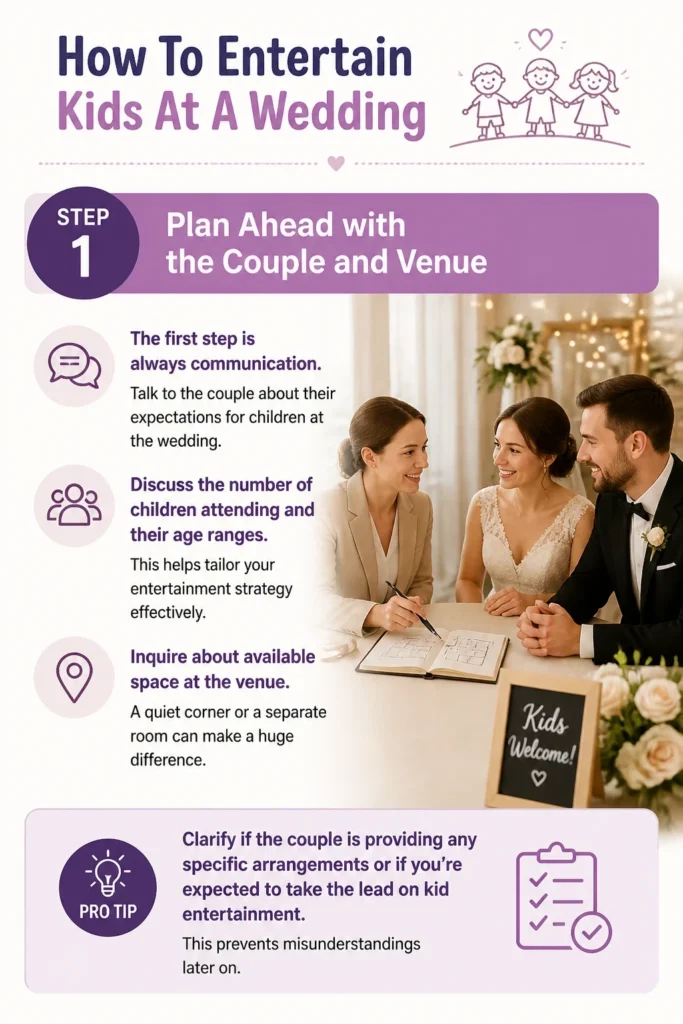
Discuss the number of children attending and their age ranges. This helps tailor your entertainment strategy effectively.
Inquire about available space at the venue. A quiet corner or a separate room can make a huge difference.
Pro Tip: Clarify if the couple is providing any specific arrangements or if you’re expected to take the lead on kid entertainment. This prevents misunderstandings later on.
Step 2: Create Age-Appropriate Activity Packs
Assemble individual activity packs for each child. These are lifesavers during quieter moments like speeches or dinner.
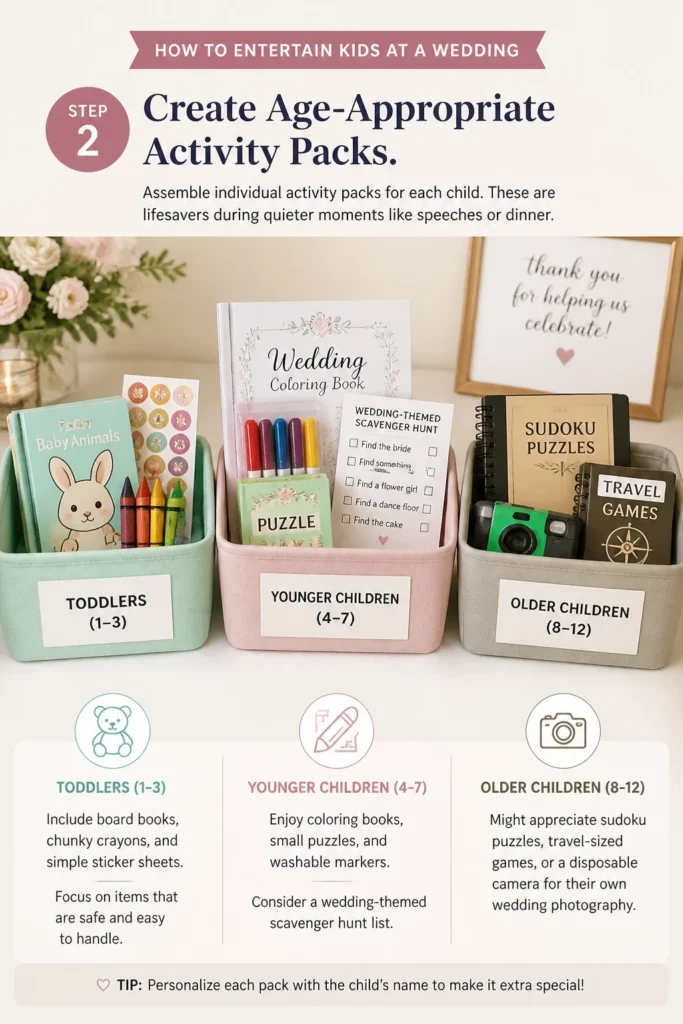
For toddlers, include board books, chunky crayons, and simple sticker sheets. Focus on items that are safe and easy to handle.
Younger children (ages 4-7) enjoy coloring books, small puzzles, and washable markers. Consider a wedding-themed scavenger hunt list.
Older children (ages 8-12) might appreciate sudoku puzzles, travel-sized games, or a disposable camera for their own “wedding photography.”
Step 3: Designate a Kid-Friendly Zone
Set up a specific area where children can retreat. This doesn’t have to be a separate room, but even a dedicated table helps.
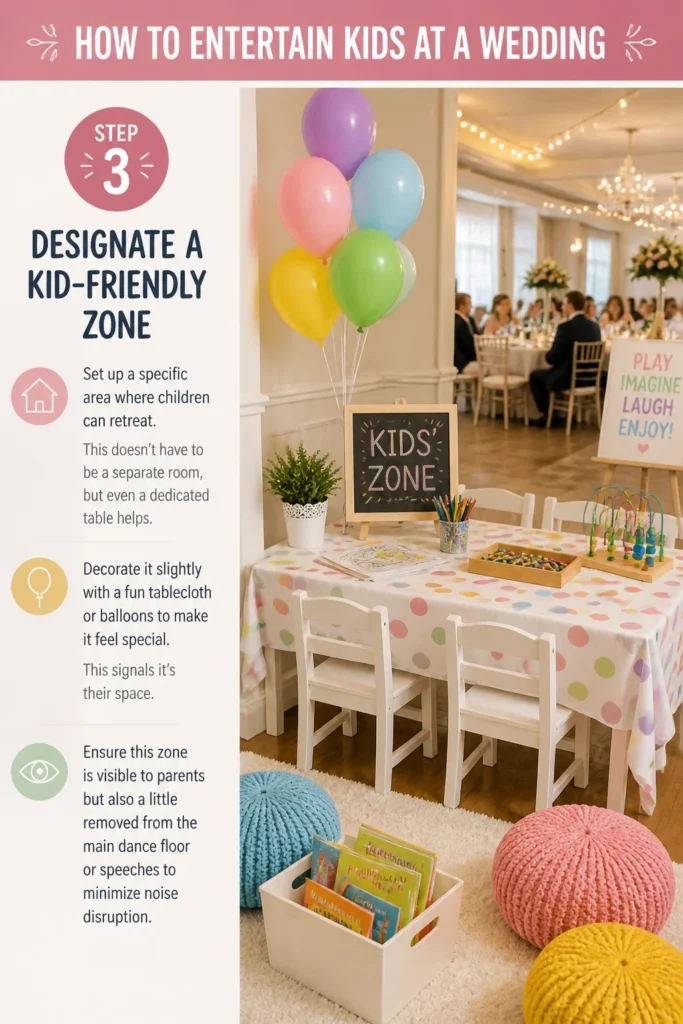
Decorate it slightly with a fun tablecloth or balloons to make it feel special. This signals it’s their space.
Ensure this zone is visible to parents but also a little removed from the main dance floor or speeches to minimize noise disruption.
Step 4: Pack Plenty of Snacks and Drinks
Kids get hungry and thirsty quickly, often at inconvenient times. Bring a variety of non-messy, kid-friendly snacks.
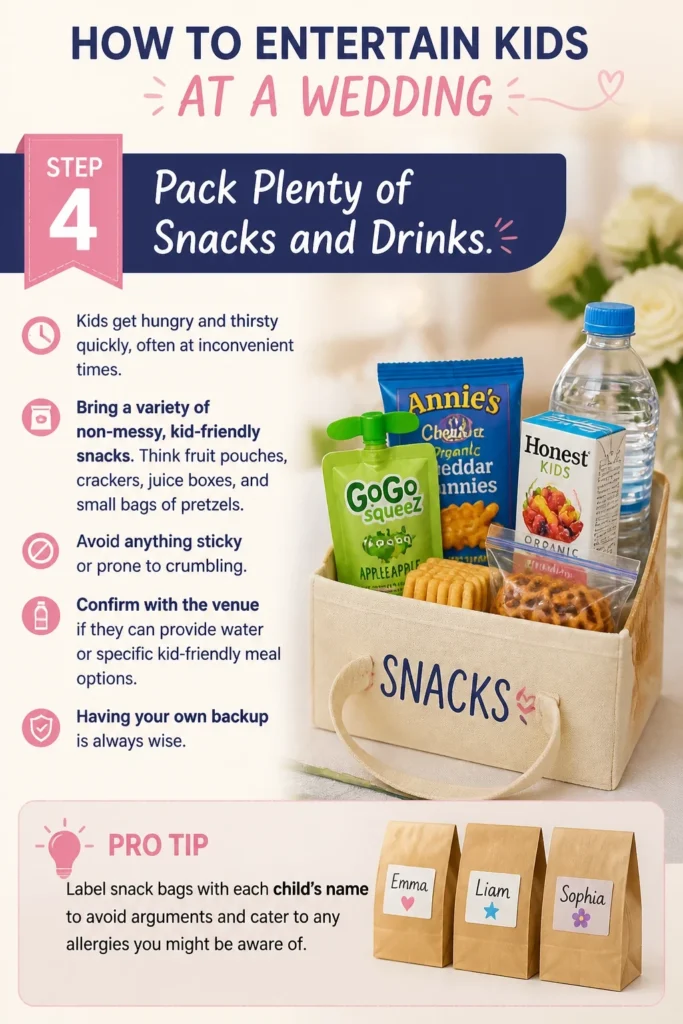
Think fruit pouches, crackers, juice boxes, and small bags of pretzels. Avoid anything sticky or prone to crumbling.
Confirm with the venue if they can provide water or specific kid-friendly meal options. Having your own backup is always wise.
Pro Tip: Label snack bags with each child’s name to avoid arguments and cater to any allergies you might be aware of.
Step 5: Incorporate Simple, Engaging Games
Plan a few low-key games that don’t require much space or elaborate setup. Think classic party games with a wedding twist.
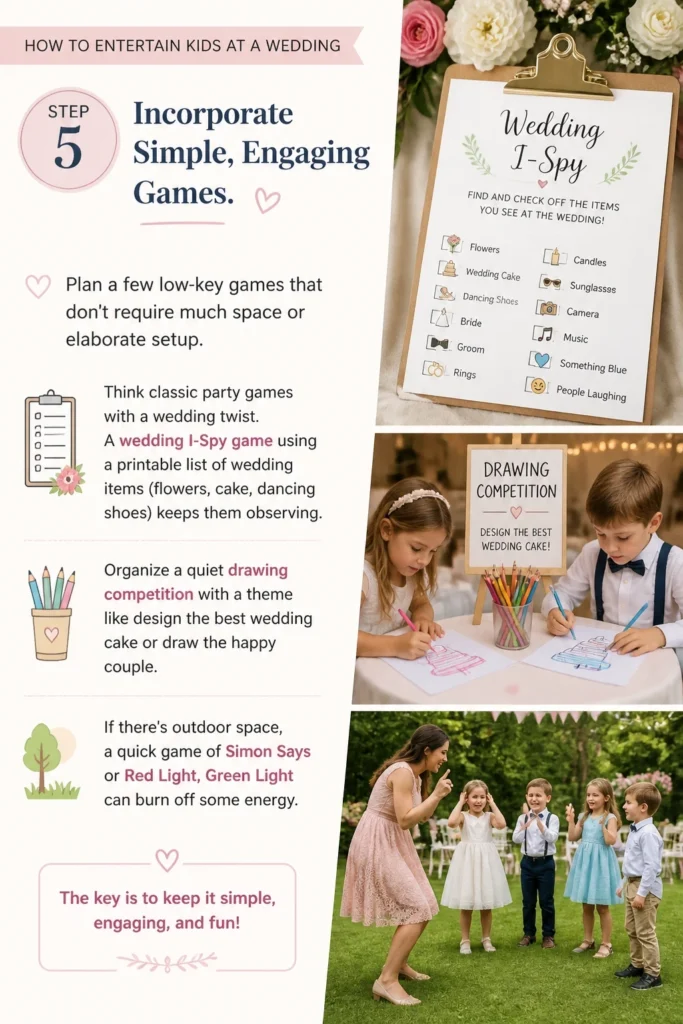
A “wedding I-Spy” game using a printable list of wedding items (flowers, cake, dancing shoes) keeps them observing.
Organize a quiet drawing competition with a theme like “design the best wedding cake” or “draw the happy couple.”
If there’s outdoor space, a quick game of “Simon Says” or “Red Light, Green Light” can burn off some energy.
Step 6: Leverage Technology (Wisely)
While not a primary solution, a tablet with headphones loaded with age-appropriate movies or educational games can be a great backup.
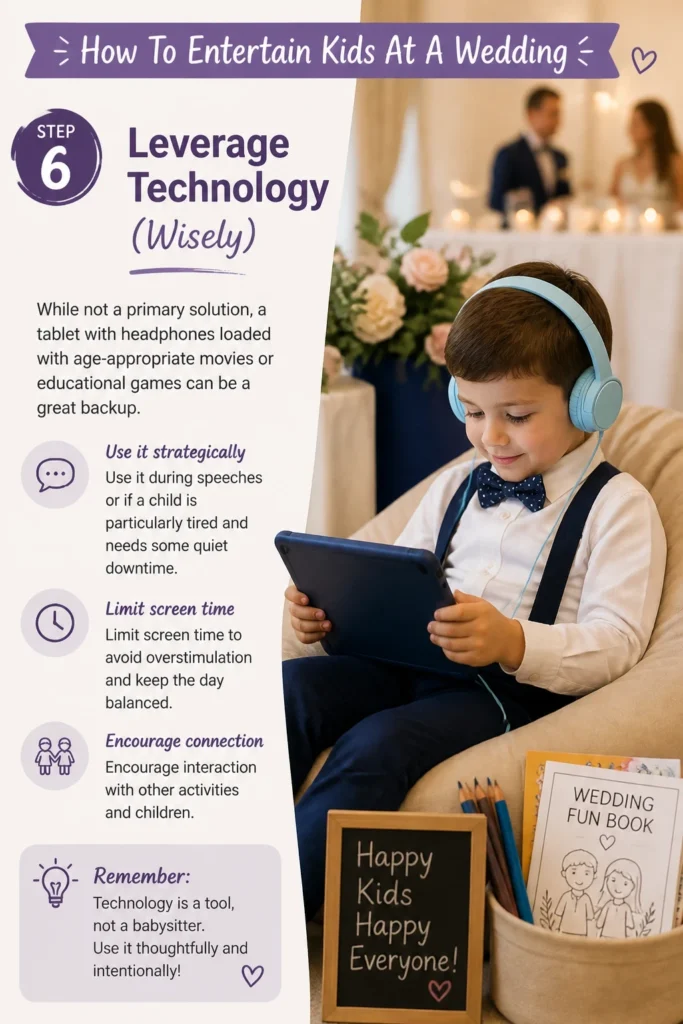
Use it strategically during speeches or if a child is particularly tired and needs some quiet downtime.
Limit screen time to avoid overstimulation and encourage interaction with other activities and children.
Step 7: Enlist Help if Possible
If the budget allows, consider hiring a professional childminder or a responsible teenager for a few hours.
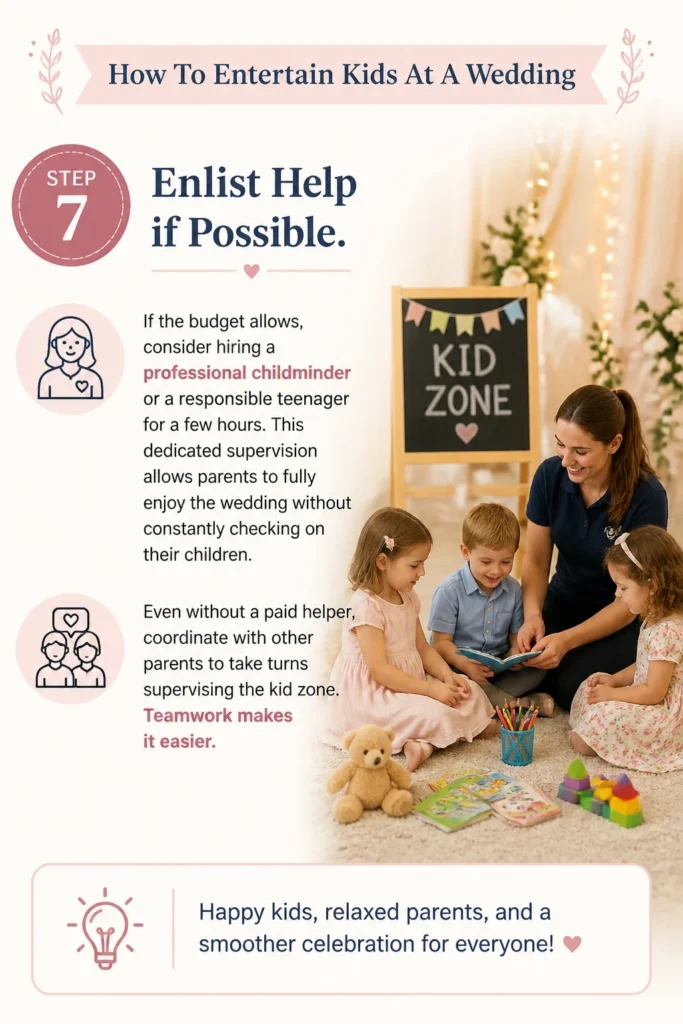
This dedicated supervision allows parents to fully enjoy the wedding without constantly checking on their children.
Even without a paid helper, coordinate with other parents to take turns supervising the kid zone. Teamwork makes it easier.
Step 8: Be Flexible and Adaptable
Children are unpredictable. Your carefully laid plans might need adjustment on the fly. Stay calm and flexible.
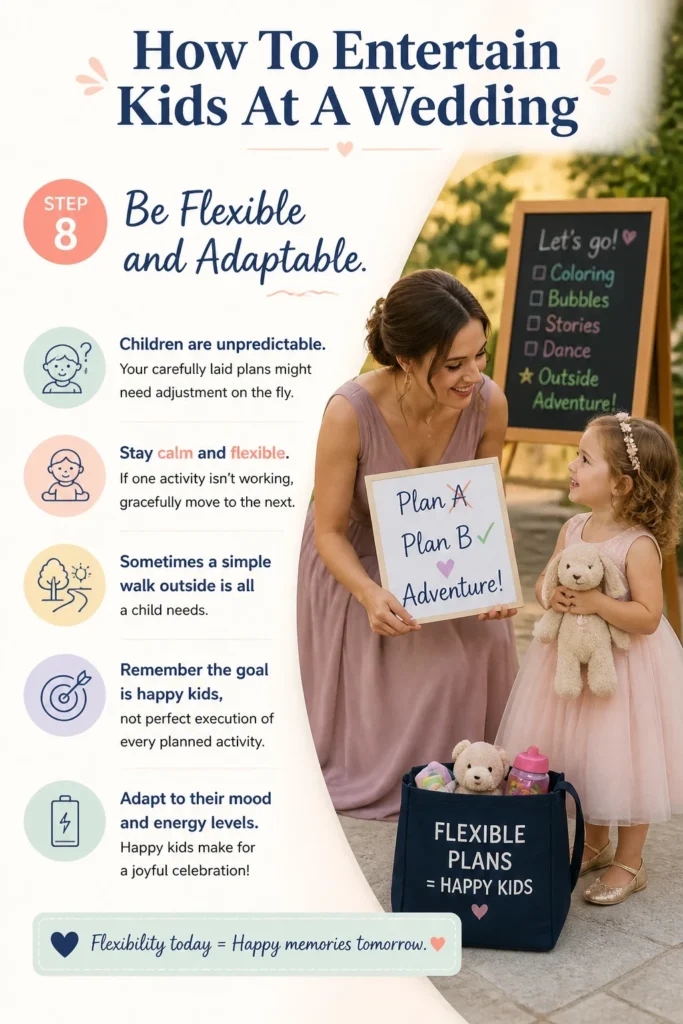
If one activity isn’t working, gracefully move to the next. Sometimes a simple walk outside is all a child needs.
Remember the goal is happy kids, not perfect execution of every planned activity. Adapt to their mood and energy levels.
Common Mistakes to Avoid
Underestimating Boredom
Children get bored much faster than adults, especially in formal settings. Assuming they will be fine watching adults mingle is a recipe for disaster. Always have a backup plan or a next activity ready to transition to.
Ignoring Age Differences
A game perfect for a 4-year-old will bore a 10-year-old, and vice versa. Trying to force all age groups into one activity often leads to frustration. Offer a range of options or separate activities for different age groups.
Forgetting About Quiet Time
Weddings are long days, and children can get overstimulated. Not providing a designated quiet space or low-key activities means meltdowns are more likely. Always include options for calm, individual play or rest.
Overpacking or Underpacking
Bringing too many complex toys can overwhelm children and create clutter. On the other hand, bringing too little means running out of options quickly. Focus on quality, engaging items that are easy to manage and store.
Troubleshooting
The Kids Are Getting Restless
If energy levels are high and patience is low, try a quick change of scenery. Take them outside for a few minutes if the venue allows, or introduce a new, more active game. A dance party to some kid-friendly tunes can also work wonders.
A Child Is Crying or Upset
First, identify the cause if possible – hunger, tiredness, or overstimulation are common culprits. Offer a snack, a quiet corner for a nap, or a comforting hug. Sometimes a distraction with a favorite toy from their activity pack is enough.
The Activity Packs Aren’t Working
If the pre-packed activities aren’t holding their attention, don’t force it. Switch to a group game, storytelling, or encourage interaction with other children. Sometimes the novelty of interacting with peers is more engaging than any toy.
Key Takeaways
- Plan ahead: Coordinate with the couple and venue to understand expectations and available resources.
- Provide variety: Offer a mix of quiet activities and opportunities for movement, catering to different ages.
- Fuel them well: Keep a stash of non-messy snacks and drinks readily available to prevent meltdowns.
- Create a dedicated space: A kid-friendly zone helps children feel comfortable and provides a retreat from adult festivities.
- Be flexible: Adapt your plans as needed; children’s moods and energy levels can change quickly.
- Enlist support: Don’t be afraid to ask for help from other parents or consider professional childcare.
Frequently Asked Questions
Should I bring my child’s favorite toys from home?
It’s a good idea to bring one or two small, comforting items that your child loves. These familiar objects can provide a sense of security in an unfamiliar environment. However, avoid bringing too many or very precious toys that could get lost or broken.
What if the wedding has a formal dress code for kids?
Prioritize comfort for children, even within a formal dress code. Choose outfits that allow for movement and aren’t too restrictive. You might also pack a change of clothes, perhaps a slightly more casual outfit, for later in the evening when they want to play more freely.
How do I handle children who don’t know each other?
Facilitate introductions and suggest simple group activities that encourage interaction without pressure. Drawing games, a shared activity table, or even just sitting together with their individual activity packs can help break the ice. Avoid forcing interaction if they seem shy.
Is it okay to let kids watch a movie during the reception?
Used sparingly and with headphones, a movie can be a fantastic tool for quiet time, especially during speeches or later in the evening when children are tired. It should be one option among many, not the sole form of entertainment, to encourage engagement with the event.
Making Memories, Not Mayhem
Creating a fun experience for children at a wedding doesn’t have to be a daunting task. With a little forethought and creativity, you can ensure they have a wonderful time, leaving parents free to celebrate.
By implementing these practical steps, you’ll contribute to a smoother, happier day for everyone involved.
So, take action and start planning your kid-friendly wedding strategy today!
Wedding Planning
No fluff, no drama. Just easy weekly advice, planning shortcuts, and gentle reminders to help you actually enjoy your engagement.