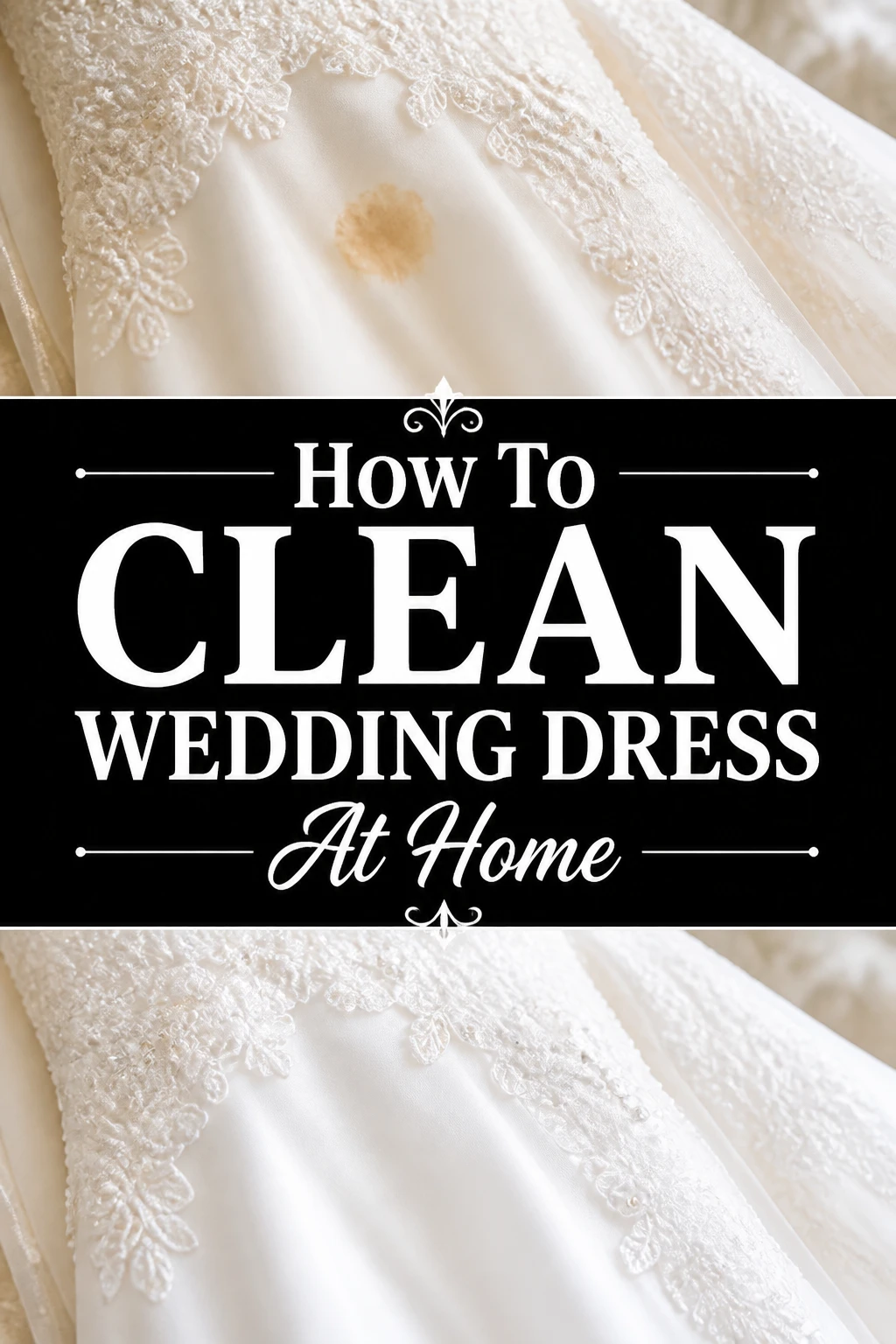
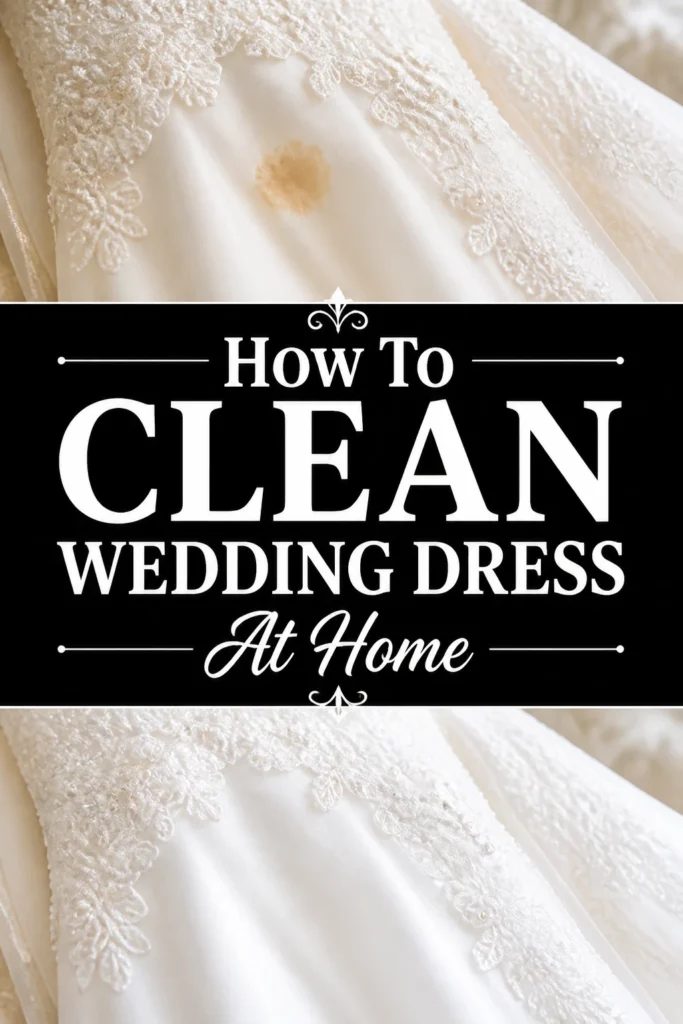
👰♀️ How To Clean Wedding Dress At Home
Wedding Planning
No fluff, no drama. Just easy weekly advice, planning shortcuts, and gentle reminders to help you actually enjoy your engagement.
Your wedding dress holds so many cherished memories. After the big day, seeing it stored away with a visible stain can be disheartening. I remember the panic when I discovered a wine splash on my own gown; it felt like a disaster.
This guide comes from personal experience and extensive research, helping you carefully restore your dress’s pristine beauty. You can achieve amazing results from the comfort of your home.
Quick Overview
Cleaning your wedding dress at home is a delicate process, but entirely achievable with patience and the right methods. You’ll learn how to identify fabric, treat various stains, and gently wash your gown.
- Time needed: 4-8 hours (spread over several days for drying)
- Difficulty: Intermediate
- What you’ll need: Mild detergent, white towels, distilled water, stain removers, large basin or bathtub, drying rack.
Step-by-Step Instructions
Step 1: Assess Your Dress and Fabric Type
Before you begin, it’s crucial to understand your dress’s composition. Check the care label for fabric types and any specific washing instructions. This step prevents accidental damage.
Most wedding dresses are made from delicate materials like silk, satin, lace, chiffon, or organza. Each fabric reacts differently to water and cleaning agents. If your dress has intricate beading, sequins, or embroidery, proceed with extra caution.
Look for any hidden embellishments or delicate seams that might be easily damaged. Note down any areas that seem particularly fragile. This initial assessment guides your entire cleaning process.
Step 2: Gather Your Supplies
Having everything ready prevents interruptions and ensures a smooth process. You’ll need a selection of gentle cleaning tools.
You’ll need a large, clean basin or bathtub, preferably one you can dedicate to this task. Soft, white, lint-free towels are essential for blotting and drying. Distilled water is recommended to avoid mineral deposits from tap water.
Choose a pH-neutral, gentle detergent, specifically one designed for delicate fabrics. Baby shampoo or a specialist silk wash can work well. Have a few targeted stain removers on hand, like hydrogen peroxide for yellowing or a mild enzyme cleaner for protein stains.
Make sure you have a soft-bristled brush or a clean, soft cloth for gentle scrubbing. A drying rack or a clean, flat surface is also necessary for air drying.
Pro Tip: Always opt for white towels to prevent color transfer onto your gown, especially if it’s white or ivory.
Step 3: Spot Treat Visible Stains
Addressing stains individually before a full wash is vital for success. Different stains require different approaches.
Identify the stain type. Food, makeup, grass, dirt, and sweat are common culprits. Knowing the origin helps you choose the right treatment.
For oil-based stains (makeup, grease): Gently blot with a clean cloth. Apply a small amount of cornstarch or baby powder to absorb the oil, let it sit for 15 minutes, then gently brush off. Follow with a tiny drop of mild detergent directly on the stain, working it in with your finger.
For protein stains (food, sweat, blood): Use an enzyme-based stain remover or a mixture of cold water and salt. Dab, don’t rub, to lift the stain. Avoid hot water, as it can set protein stains.
For dirt or mud: Allow the mud to dry completely, then gently brush off the excess. Do not rub wet mud, as this can push it deeper into the fabric fibers.
For wine or fruit juice: Immediately blot with a clean cloth. You can try a mixture of dish soap and hydrogen peroxide (for white/ivory dresses only) or a commercial wine stain remover. Test any solution on an inconspicuous area first.
Always work from the outside of the stain inwards to prevent it from spreading. Be incredibly gentle, avoiding harsh scrubbing.
Step 4: Prepare for the Full Wash
This step is about setting up your washing area and ensuring the dress is ready for immersion. Lay down clean towels around your washing area to catch any drips.
Ensure your bathtub or basin is spotlessly clean. Rinse it thoroughly to remove any soap scum or residue that could transfer to the dress. Fill the tub with cool or lukewarm distilled water.
Add a small amount of your chosen mild detergent to the water, swirling it gently to create a uniform solution. Avoid excessive suds, as they can be difficult to rinse out.
Before immersing the entire dress, consider any detachable parts like sashes or veils. If they are simple, you might wash them separately. If the dress has a long train, gently fold it to manage its size in the tub.
Step 5: Hand Wash the Dress Gently
Hand washing is the safest method for most wedding dresses. It allows for precise control and minimal stress on delicate fabrics.
Submerge the dress slowly. Gently lower the gown into the prepared water, allowing it to soak completely. Ensure all parts are saturated.
Allow it to soak. Let the dress soak for 30-60 minutes. This helps loosen dirt and allows the detergent to penetrate the fibers. For heavily soiled areas, you might extend the soaking time.
Gently agitate the water. Use your hands to softly swish the dress around in the water. Focus on areas that were particularly dirty, like the hem, armpits, and neckline. Do not twist, wring, or aggressively scrub the fabric.
Address remaining stains. If any spot-treated stains are still visible, gently work the detergent solution into them with your fingers or a soft cloth. Be patient and persistent, but never forceful.
Drain the dirty water once you feel the dress is clean. The water will likely be discolored, which is a good sign that dirt is being removed.
Step 6: Rinse Thoroughly
Rinsing is just as important as washing to prevent detergent residue from attracting new dirt or causing yellowing over time. This step requires multiple changes of water.
Refill the tub with clean, cool distilled water. Gently submerge the dress again, swishing it around to rinse out the soap. You will see suds appear as the detergent lifts from the fabric.
Drain the water and repeat this process several times. Continue rinsing until the water runs clear and no more suds are visible. This might take 3-5 changes of water, or even more.
Ensure that all layers of the dress, especially voluminous skirts, are thoroughly rinsed. Leftover detergent can cause stiffness or discoloration. Be mindful of any hidden pockets or folds where soap might linger.
Pro Tip: After the final rinse, you can add a small amount of white vinegar to the rinse water to help neutralize any remaining detergent and brighten the fabric. Follow with one more clear water rinse.
Step 7: Prepare for Drying
Removing excess water without damaging the dress is a critical step before air drying. This process requires patience and care.
Do not wring or twist the dress. This can stretch or damage delicate fibers and embellishments. Instead, gently gather the dress from the tub.
Lay several clean, dry white towels flat on a clean surface. Carefully place the wet dress on top of these towels.
Roll the dress up in the towels, pressing gently to absorb as much water as possible. You might need to repeat this process with fresh, dry towels several times until most of the water has been absorbed.
The goal is to get the dress to a damp state, not dripping wet. This reduces drying time and prevents stretching from excessive weight.
Step 8: Air Dry Your Wedding Dress
Air drying is the safest and most recommended method for wedding dresses. It prevents heat damage and shrinkage. Choose a clean, dry area with good air circulation.
Lay the dress flat on a large, clean drying rack or several layers of fresh, dry white towels. Ensure the dress is spread out as much as possible to allow even drying.
If your dress is heavily embellished or has a very delicate silhouette, drying it flat is crucial to maintain its shape. Heavy wet fabric can stretch if hung.
If the dress is relatively simple and sturdy (e.g., a simple satin slip dress), you might carefully hang it on a padded hanger. Ensure the hanger is strong enough to support the wet weight without deforming the shoulders.
Turn the dress periodically to allow all sides to dry evenly. This also prevents moisture from getting trapped in folds, which could lead to mildew. Drying can take several days depending on the fabric and humidity.
Avoid direct sunlight, as it can cause yellowing or fading of certain fabrics. Keep the dress away from heat sources like radiators.
Step 9: Inspect and Store
Once completely dry, inspect your dress thoroughly for any remaining stains or issues. This is your final chance to address them before storage.
Examine every inch of the dress under good lighting. Look closely at the hem, underarms, and any areas where stains were previously treated. If a stain persists, you might need to repeat the spot treatment process.
Once you are satisfied that the dress is perfectly clean and dry, it’s time for proper storage. Store your wedding dress in an acid-free archival box or a breathable garment bag.
Avoid plastic garment bags, as they can trap moisture and cause yellowing or mildew over time. Store the dress in a cool, dark, and dry place, away from direct sunlight and extreme temperature fluctuations.
Consider adding acid-free tissue paper between folds to prevent creasing and support delicate areas. Proper storage protects your gown for years to come.
Common Mistakes to Avoid
Using Harsh Chemicals
Many people reach for strong bleach or harsh stain removers when faced with a tough stain. These chemicals can permanently damage delicate fabrics like silk, satin, or lace. They can cause discoloration, weaken fibers, or even dissolve embellishments. Always opt for gentle, pH-neutral cleaners and test them on an inconspicuous area first.
Wringing or Twisting the Fabric
After washing, it’s tempting to wring out excess water to speed up drying. However, twisting or wringing a wet wedding dress can severely damage its delicate structure. It can stretch the fabric, distort the silhouette, and tear embellishments. Always press water out gently with towels instead.
Drying in Direct Sunlight or High Heat
While sunlight can be a natural whitener for some fabrics, it’s generally detrimental to wedding dresses. Direct sunlight can cause white or ivory fabrics to yellow and can fade colored embellishments. High heat from dryers or radiators can shrink fabrics, melt synthetic fibers, or damage delicate beading. Always air dry in a cool, shaded, well-ventilated area.
Ignoring the Care Label
The care label inside your dress provides crucial information about its fabric composition and recommended cleaning methods. Ignoring this label can lead to irreversible damage. If the label specifically says “dry clean only” and your dress is heavily structured, very old, or made of extremely delicate, complex materials, professional cleaning might be the safer option.
Troubleshooting
Yellowing After Washing
If your dress appears slightly yellowed after washing, it might be due to residual detergent or mineral deposits from tap water. Ensure you use distilled water for rinsing, and rinse thoroughly multiple times. You can also try a final rinse with a small amount of white vinegar (1 cup per gallon of water) to neutralize residues, followed by another clear water rinse.
Persistent Stains
Some stubborn stains might not lift with initial treatment. For very old or deep-set stains, you might need to repeat the spot treatment process multiple times, allowing the cleaner more time to work. If a specific stain remains, consider a specialized stain remover designed for that type of stain, but always test it on a hidden seam first. Professional conservation might be necessary for extremely difficult cases.
Damage to Embellishments
If beads, sequins, or lace seem loose or damaged after cleaning, this often indicates they were not securely attached or the fabric was too delicate for the chosen method. For minor issues, you might be able to re-sew loose embellishments yourself with a fine needle and thread. For significant damage, a professional seamstress specializing in bridal wear can often repair or replace intricate details.
Key Takeaways
- Always assess your dress’s fabric and care label before starting any cleaning process.
- Gather all necessary gentle cleaning supplies, including mild detergent and white towels.
- Spot treat visible stains thoroughly and carefully, choosing the right method for each stain type.
- Hand wash the dress gently in cool, distilled water, avoiding harsh scrubbing or twisting.
- Rinse the dress multiple times until all detergent residue is completely gone.
- Press out excess water with clean towels; never wring or twist the fabric.
- Air dry the dress flat on a clean surface or rack in a cool, shaded area, away from direct heat or sunlight.
- Store the clean, dry dress in an acid-free box or breathable garment bag to preserve it.
Frequently Asked Questions
Can I put my wedding dress in a washing machine?
No, it is highly recommended you do not machine wash a wedding dress. Even on a delicate cycle, the agitation can damage fragile fabrics, lace, beading, and the dress’s overall structure. Hand washing provides the control needed for such a delicate garment.
How long does it take for a wedding dress to air dry?
The drying time can vary significantly based on the fabric, the number of layers, and humidity levels. A wedding dress can take anywhere from 24 hours to several days to fully air dry. Ensure it is completely dry before storing to prevent mildew.
What if my dress has “dry clean only” on the label?
If your dress explicitly states “dry clean only,” especially if it’s made from silk, rayon, or has extensive embellishments, it’s generally best to follow that instruction. However, many simple gowns with “dry clean only” labels can still be carefully hand-washed at home using the methods outlined here, as dry cleaning chemicals can sometimes harm delicate details. Always proceed with caution and a small test.
How do I store my wedding dress after cleaning?
After ensuring the dress is perfectly clean and dry, store it in an acid-free archival box or a breathable garment bag made of cotton or muslin. Avoid plastic bags, which can trap moisture and cause yellowing. Store it in a cool, dark, and dry place, away from temperature extremes and direct light.
Our Top Recommended Finds
- pH-Neutral Delicate Laundry Detergent: Essential for gently cleaning without damaging fibers.
- Large Absorbent White Towels: Perfect for blotting out water and protecting surfaces.
- Acid-Free Archival Storage Box: Crucial for long-term preservation of your cherished gown.
Embrace Your Gown’s Renewed Radiance
Cleaning your wedding dress at home is a labor of love, but the reward of seeing it pristine again is immeasurable. You’ve now gained the knowledge and confidence to tackle this delicate task. Taking the time to care for your gown ensures it remains a beautiful keepsake for years to come.
Don’t let those beautiful memories fade with a forgotten stain. Begin the cleaning process today and rediscover the magic of your dress.
Wedding Planning
No fluff, no drama. Just easy weekly advice, planning shortcuts, and gentle reminders to help you actually enjoy your engagement.