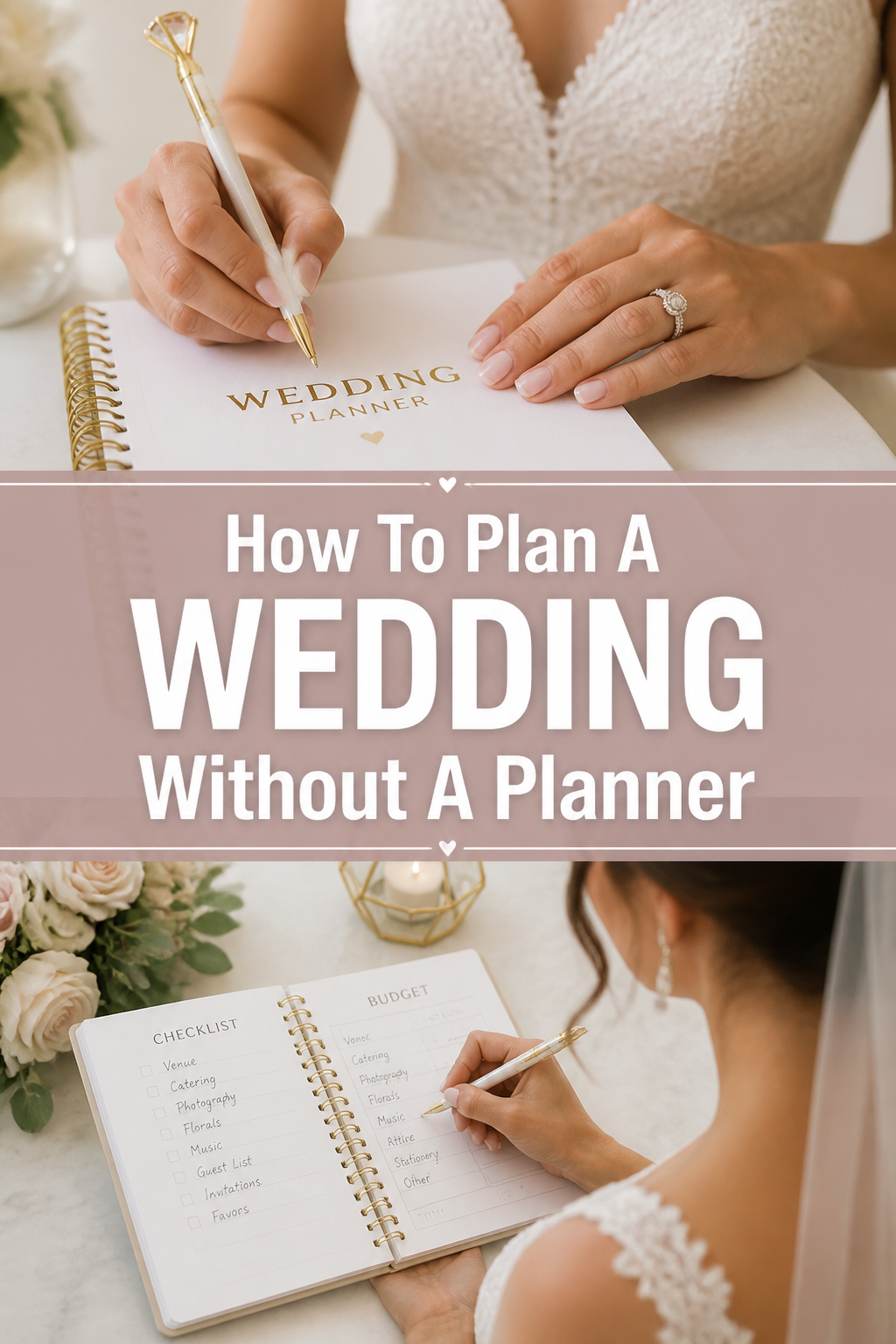
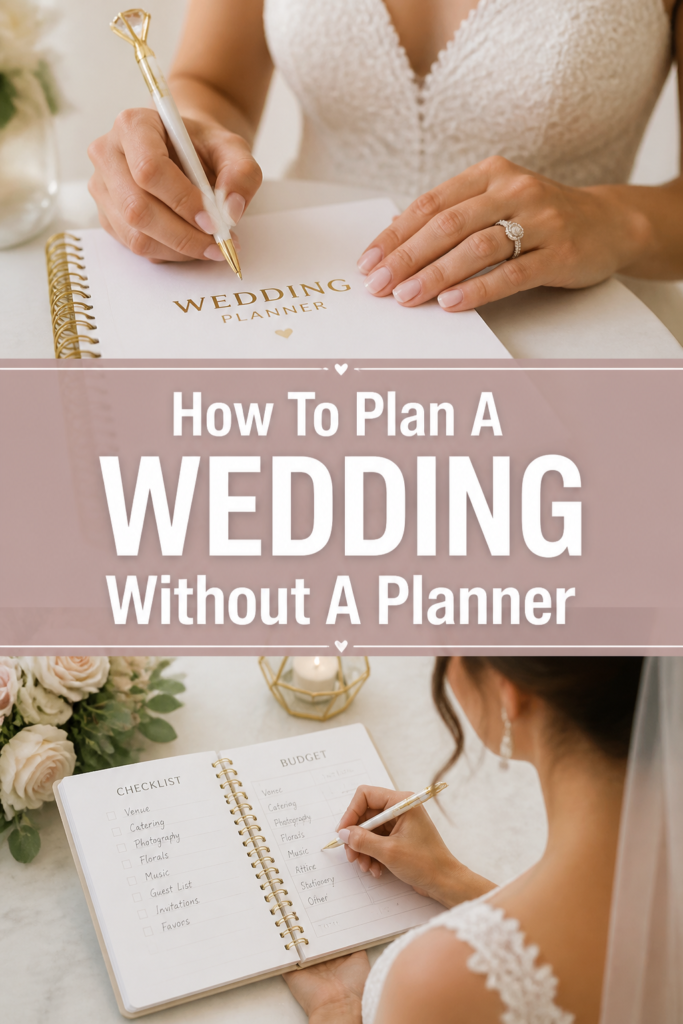
💍 How To Plan A Wedding Without A Planner
Planning a wedding can feel overwhelming, especially when you consider all the details involved. I remember staring at a blank calendar, wondering how my own dream day would ever come together without professional help. But with a structured approach and a clear vision, you absolutely can create a beautiful, memorable wedding day yourself.
This guide shares the exact steps and insights I used, proving that a stunning celebration is well within your reach.
Quick Overview
This guide will walk you through the entire process of organizing your wedding, empowering you to take charge of every detail. You’ll learn to manage your budget, coordinate vendors, and create a timeline that keeps everything on track. By the end, you’ll have a comprehensive plan for your perfect day.
- Time needed: 12-18 months for comprehensive planning
- Difficulty: Intermediate
- What you’ll need: A dedicated notebook or digital planning tool, budget spreadsheet, communication skills, and a supportive partner/team.
Step-by-Step Instructions
Step 1: Define Your Vision and Budget
Start by sitting down with your partner to discuss your ideal wedding. Talk about the overall feel, style, and priorities for your day. Decide if you envision a grand celebration, an intimate gathering, or something in between.
Next, establish a realistic budget. This is the foundation of all your decisions. Determine how much you both can comfortably spend, and be honest about financial contributions from family.
Create a detailed spreadsheet to track every expense. Allocate funds for major categories like venue, catering, attire, photography, and music. Remember to include a contingency fund of 10-15% for unexpected costs.
Pro Tip: Prioritize your top 2-3 non-negotiable elements early on. Is it the food, the photography, or the guest experience? Knowing your priorities helps guide budget allocation and decision-making.
Step 2: Assemble Your Core Planning Toolkit
Organizing a wedding without a planner means you become the project manager. Invest in tools that will keep you sane and organized. This could be a physical wedding planner binder, a digital spreadsheet, or a dedicated wedding planning app.
Set up a shared document or folder that both you and your partner can access. This ensures transparency and collaboration on all decisions. Include sections for vendor contacts, contracts, inspiration photos, and your master timeline.
Schedule regular “wedding planning dates” with your partner. These dedicated times help you stay on track and prevent planning from becoming a source of stress. Make them enjoyable, perhaps with a nice meal or a favorite drink.
Step 3: Choose Your Venue and Set Your Date
The venue often dictates the wedding date, especially for popular locations. Start researching venues that align with your vision and budget. Consider factors like capacity, availability, included services, and accessibility.
Once you find a few venues you love, schedule site visits. Ask detailed questions about their packages, what’s included, and any restrictions. Take photos and notes during each visit to help you compare later.
After selecting your dream venue, secure your date by signing the contract and paying the deposit. This is a huge milestone and makes the wedding feel real. Inform immediate family and your bridal party of the date once it’s set.
Step 4: Curate Your Guest List and Send Invitations
Begin with a preliminary guest list, including all potential attendees from both sides. Be realistic about your venue’s capacity and your budget per guest. This list will likely be refined several times.
Decide on your invitation style and wording. Choose a design that reflects your wedding’s theme and personality. Research reliable stationery vendors or consider DIY options if you’re crafty.
Send out “Save the Dates” 6-12 months before the wedding, especially if many guests are traveling. Follow up with formal invitations 2-3 months prior, including an RSVP card and clear instructions for responding. Set your RSVP deadline for 3-4 weeks before the wedding.
Step 5: Select Your Vendor Team
This is where you bring your vision to life by selecting key professionals. Start with the most impactful vendors first: caterer (if not included with the venue), photographer, videographer, DJ or band, and florist. Research local vendors, read reviews, and ask for recommendations.
Schedule consultations with a few top contenders for each category. Prepare a list of questions to ask, covering their experience, style, pricing, and what’s included in their packages. Be clear about your expectations and budget.
Review contracts carefully before signing. Ensure all services, dates, times, and payment schedules are clearly outlined. Keep copies of all signed contracts in your planning toolkit.
Pro Tip: Don’t underestimate the power of personality. You’ll be spending a lot of time communicating with these vendors. Choose professionals you genuinely connect with and trust.
Step 6: Design Your Aesthetic and Details
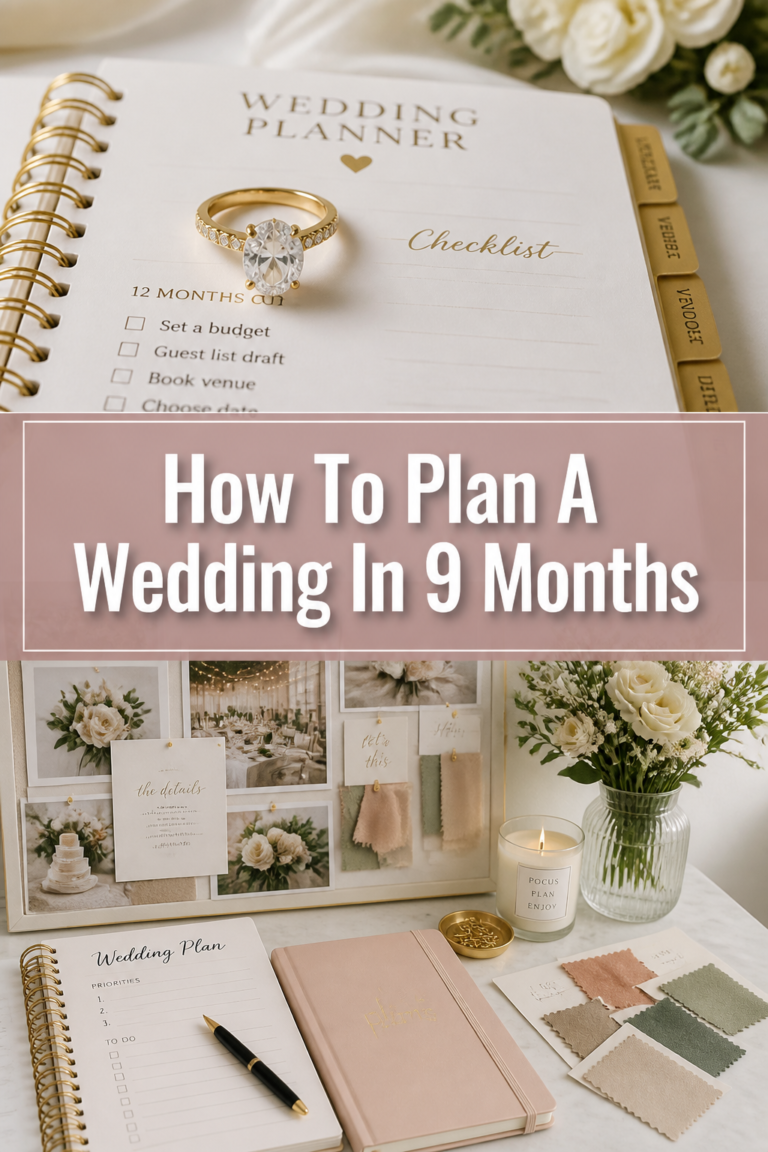
Now for the fun part – bringing your aesthetic to life. Think about your color palette, floral arrangements, decor elements, and overall atmosphere. Create an inspiration board using Pinterest or a physical mood board.
Work with your florist to select flowers and arrangements that fit your vision and budget. Discuss centerpiece designs, bouquets, boutonnieres, and any ceremony decor. Be open to seasonal alternatives to save costs.
Consider other design elements like lighting, signage, and special touches that personalize your day. Decide on favors, if any, and plan how they will be presented. These details create a cohesive and memorable experience.
Step 7: Plan Your Ceremony and Reception Flow
Outline the structure of your wedding day from start to finish. This includes the ceremony sequence, cocktail hour activities, and reception timeline. Work with your officiant to personalize your ceremony.
Think about music choices for key moments: processional, recessional, first dance, and parent dances. Coordinate with your DJ or band to create a playlist that reflects your taste and keeps guests engaged.
Create a detailed day-of timeline. This document will be your bible, listing every event, vendor arrival time, and key person’s role. Share it with your bridal party, key family members, and all your vendors a few weeks before the wedding.
Step 8: The Final Countdown and Day-Of Preparation
In the weeks leading up to the wedding, confirm all details with your vendors. Reiterate arrival times, specific requests, and final payment schedules. Confirm your final guest count with your caterer and venue.
Arrange for final fittings for your attire and pick up any accessories. Prepare an emergency kit with essentials like pain relievers, safety pins, and beauty touch-ups. Pack for your honeymoon, if you’re leaving right after.
Delegate small tasks to trusted friends or family members for the wedding day. Assign someone to manage vendor payments, another to handle gifts, and a point person for any last-minute issues. This allows you to relax and enjoy your celebration.
Common Mistakes to Avoid
Ignoring Your Budget From the Start
Many couples get excited and book things without a clear financial limit. This often leads to overspending and stress later on. Always establish your budget first, track every expense, and revisit it regularly to stay on track.
Trying to Do Everything Yourself
While you’re acting as the planner, you don’t have to be the sole executor of every task. Trying to DIY too many elements or refusing help from loved ones can lead to burnout and overwhelm. Delegate tasks where appropriate, especially on the wedding day itself.
Poor Communication with Vendors
Lack of clear, consistent communication can lead to misunderstandings and mistakes. Always get agreements in writing and confirm details multiple times. Be polite but firm about your expectations and respond to vendor inquiries promptly.
Procrastinating on Key Decisions
Delaying decisions, especially on major vendors or guest list finalization, can limit your options and increase stress. Popular vendors book up quickly, and last-minute changes often incur additional fees. Stick to your timeline and make decisions proactively.
Troubleshooting
Vendor Issues or Cancellations
If a vendor cancels or becomes unresponsive, remain calm. Review your contract for cancellation clauses and potential refunds. Immediately reach out to your network and other vendors you previously considered. Often, other professionals are understanding and can help in a pinch.
Budget Overruns
It’s easy for costs to creep up. If you find yourself exceeding your budget, identify areas where you can cut back. Look at guest count, expensive floral arrangements, or premium bar packages. Prioritize your non-negotiables and be willing to compromise on less important elements.
Overwhelm and Stress
Planning a wedding is a big undertaking, and stress is normal. When you feel overwhelmed, take a break from planning. Go on a date, exercise, or engage in a relaxing hobby. Remember to lean on your partner and your support system; they are there to help.
Key Takeaways
- Start with a clear vision and a firm budget before making any bookings.
- Utilize organizational tools and create a detailed timeline to stay on track.
- Thoroughly research and vet all vendors, ensuring clear contracts and communication.
- Don’t be afraid to delegate tasks to trusted friends and family to prevent burnout.
- Build a contingency fund of 10-15% for unexpected expenses.
- Prioritize enjoying the process and celebrating your journey together.
Frequently Asked Questions
How far in advance should I start planning?
Most couples start planning 12-18 months out, especially if they have a specific date or popular venue in mind. This gives you ample time to research, book vendors, and manage your budget without feeling rushed.
Can I really save money by not hiring a planner?
Yes, you can definitely save on the planner’s fee, which can be a significant cost. However, be prepared to invest your own time and effort into research, negotiation, and coordination. Some couples opt for a day-of coordinator to manage logistics closer to the wedding, which is a good middle-ground.
What if I get stuck or overwhelmed during the process?
It’s common to feel overwhelmed. Take a step back and revisit your priorities. Reach out to your partner, a trusted friend, or family member for support and a fresh perspective. Sometimes, just breaking down a large task into smaller steps can make it manageable.
How do I manage vendor communication effectively?
Create a dedicated email address for wedding communication. Keep all vendor correspondence in one place. Always confirm details in writing, whether it’s via email or a follow-up summary after a phone call. Be clear, concise, and professional in all your interactions.
Our Top Recommended Finds
- A Comprehensive Wedding Planner Book: Offers checklists, budget trackers, and vendor guides all in one physical place.
- Project Management App (e.g., Trello or Asana): Great for digital task management, assigning roles, and tracking progress with your partner.
- Comfortable, Stylish Shoes: For venue visits, vendor meetings, and especially for the wedding day itself – you’ll be on your feet a lot!
Your Beautiful Journey Begins Now
Planning your wedding without a professional planner is a truly rewarding experience, allowing you to infuse every detail with your personal touch. It requires dedication, organization, and a willingness to learn, but the result is a day that is uniquely yours. Embrace the journey, celebrate the small victories, and remember the ultimate goal: marrying the love of your life.
Start by defining your vision today. Open that spreadsheet, talk to your partner, and take the first exciting step towards crafting your perfect celebration.