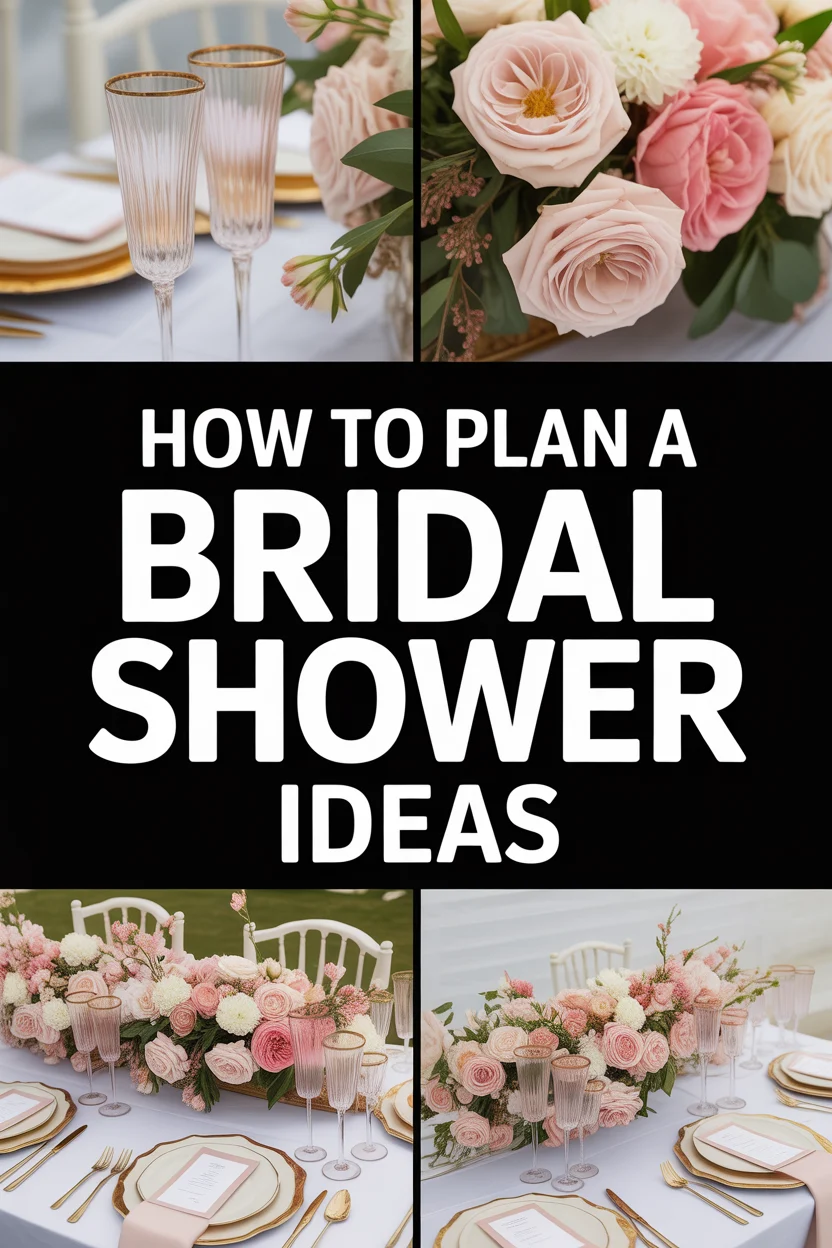
🥂 How To Plan A Bridal Shower Ideas
Wedding Planning
No fluff, no drama. Just easy weekly advice, planning shortcuts, and gentle reminders to help you actually enjoy your engagement.
Planning a bridal shower is a wonderful way to celebrate the bride-to-be before her big day.
It’s a chance to gather loved ones, share joy, and offer well wishes as she embarks on a new chapter.
Having organized several memorable showers myself, I know the blend of excitement and careful coordination involved, and I’m here to guide you through every detail.
Quick Overview
By following this guide, you’ll confidently plan a delightful bridal shower that honors the bride and creates lasting memories for everyone.
- Time needed: 4-8 weeks, depending on complexity and guest count
- Difficulty: Intermediate
- What you’ll need: Guest list, budget, calendar, theme ideas, venue options, invitation details, activity plans
Step-by-Step Instructions
Step 1: Define the Vision & Guest List
The very first step is to establish a clear vision for the shower and compile an initial guest list. This foundation will influence every decision that follows.
Consult with the bride-to-be (or a close family member if it’s a surprise) to understand her preferences. Discuss her general style, favorite colors, and any strong dislikes she might have.
Gather a preliminary guest list. This list should come from the bride, ensuring no important friends or family are overlooked. Remember, everyone invited to the shower should also be invited to the wedding.
Pro Tip: Discreetly ask the bride for a “dream guest list” for a hypothetical party. This helps you get names without revealing the shower plans if it’s meant to be a surprise.
Step 2: Set the Budget & Date
With a rough guest count, you can now realistically set your budget and choose a date. These two elements are intrinsically linked.
Determine who is contributing financially. Often, the maid of honor, bridesmaids, or close family members share costs. Have an open conversation about how much everyone is comfortable spending.
Allocate funds for key categories: venue, food/drinks, invitations, decorations, games/activities, favors, and gifts. A detailed budget prevents overspending.
Choose a date that works for the bride and key attendees. Weekends, particularly Saturdays or Sundays, are most common. Aim for 1-3 months before the wedding, allowing enough time but not too close to the main event.
Step 3: Choose a Theme & Venue
The theme sets the mood, and the venue provides the backdrop. These choices bring your vision to life.
Select a theme that reflects the bride’s personality or interests. Popular themes include “Breakfast at Tiffany’s,” “Garden Party,” “Boho Chic,” or a simple “Kitchen Shower.” A cohesive theme makes planning easier and the event more memorable.
Research potential venues that fit your theme, budget, and guest count. Options range from private homes or backyards to restaurant party rooms, community centers, or event spaces. Consider accessibility and amenities.
Book your chosen venue as soon as possible, especially if it’s a popular spot. Confirm all details, including setup/teardown times and any restrictions.
Step 4: Send Invitations
Invitations are your guests’ first glimpse into the celebration. They convey essential information and build excitement.
Design or select invitations that align with your chosen theme. Include all vital information: bride’s name, date, time, venue address, RSVP contact, and gift registry details.
Specify any special requests, such as “bring a favorite recipe card” or “wear a specific color.” Clearly state if the shower is a surprise.
Mail invitations 6-8 weeks before the shower. Set an RSVP deadline about 2 weeks before the event to finalize your headcount for catering and activities.
Pro Tip: Include a small note about the couple’s wedding website or gift registry on a separate insert or at the bottom of the invitation. This is helpful for guests without being overly direct.
Step 5: Plan Activities & Games
Engaging activities keep guests entertained and foster a fun, celebratory atmosphere.
Brainstorm a mix of interactive games and more relaxed activities. Consider games like “Bridal Bingo,” “How Well Do You Know the Bride?”, or a “Wedding Advice Jar.”
Prepare all necessary materials for your chosen games in advance. This might include printouts, pens, small prizes for winners, or craft supplies.
Allocate time for gift opening, which is often a central part of the shower. Designate someone to record gifts and givers for thank-you notes.
Step 6: Select Food & Drinks
Delicious refreshments are a cornerstone of any successful gathering. Plan a menu that suits your theme and time of day.
Decide whether to cater, potluck, or prepare food yourself. Brunch menus (quiches, fruit salads, pastries) are popular for daytime showers, while appetizers and desserts work well for afternoon events.
Consider dietary restrictions of guests. Offer a variety of options, including vegetarian or gluten-free choices, if known.
Plan a selection of beverages. Mimosas, sparkling cider, iced tea, and water are common choices. Ensure you have enough ice and appropriate glassware.
Step 7: Arrange Decorations & Favors
Decorations transform your space, and favors offer a thoughtful thank-you to your guests.
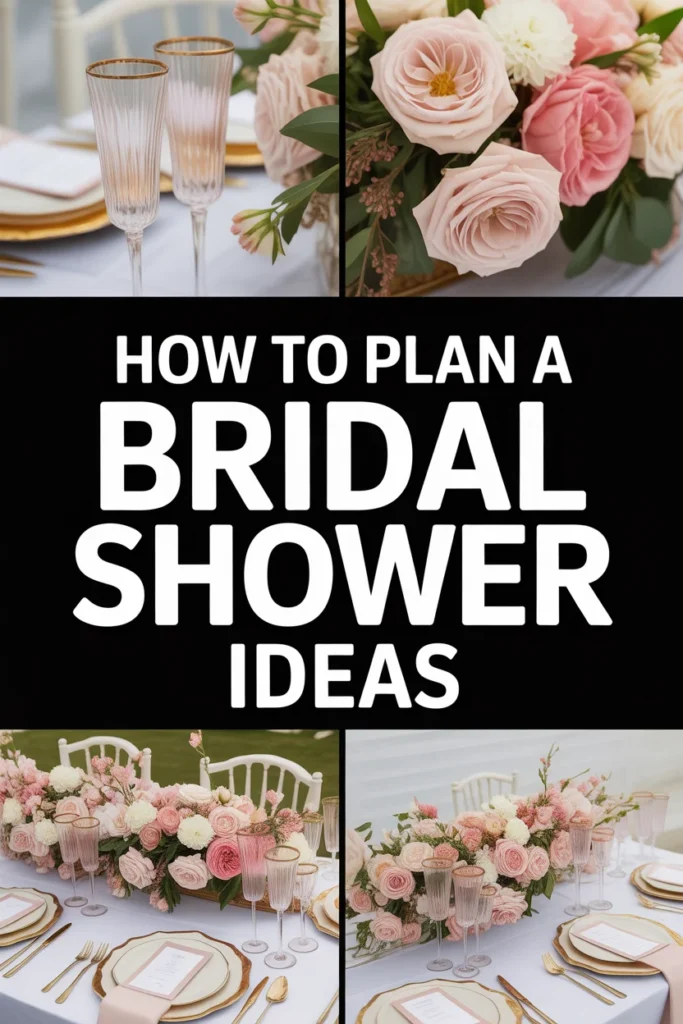
Choose decorations that complement your theme and color scheme. Balloons, banners, floral arrangements, and themed props can all add to the ambiance.
Set up a dedicated gift table and a welcome area. These functional spaces can also be beautifully decorated.
Select small, meaningful favors for guests to take home. Popular choices include mini candles, personalized treats, small succulents, or seed packets. Package them nicely.
Step 8: Delegate & Coordinate
You don’t have to do everything alone. Delegation is key to managing stress and ensuring all tasks are covered.
Assign specific tasks to bridesmaids, family members, or close friends who have offered to help. This could include managing games, setting up food, or taking photos.
Create a detailed timeline for the day of the shower. Share this with your helpers so everyone knows their role and when things need to happen.
Confirm all bookings and arrangements with vendors (caterers, florists, venue staff) a week or two before the event. This prevents last-minute surprises.
Step 9: Finalize Details & Enjoy!
The final week is for tying up loose ends and preparing to celebrate.
Confirm the final guest count with your caterer or food preparers. Purchase any remaining supplies, like ice, napkins, or extra beverages.
Prepare a hostess “survival kit” with essentials like safety pins, pain relievers, and a phone charger. This can be a lifesaver.
Relax and enjoy the celebration you’ve worked so hard to create. Remember the goal is to honor the bride and have fun!
Common Mistakes to Avoid
Ignoring the Bride’s Preferences
Sometimes, planners get caught up in their own ideas for a “perfect” shower. However, the event is for the bride. Planning a shower that doesn’t reflect her style or comfort level can make her feel awkward or unappreciated. Always subtly confirm her likes and dislikes, or consult with someone very close to her.
Overspending the Budget
It’s easy for costs to spiral, especially with so many fun options available. Not setting a firm budget from the start, or failing to track expenses, can lead to financial strain for the hosts. Stick to your agreed-upon budget by prioritizing what’s most important and finding creative, cost-effective solutions for other elements.
Leaving Everything to the Last Minute
Delaying tasks like sending invitations, booking a venue, or planning activities creates unnecessary stress and can lead to crucial elements being unavailable or rushed. A structured timeline and early planning prevent panic and ensure a smoother, more enjoyable process.
Forgetting to Delegate
Trying to manage every single detail alone is a recipe for burnout. Even if you’re the primary planner, accepting help from others who offer, or proactively delegating tasks, lightens your load significantly. This also makes helpers feel valued and involved in the celebration.
Troubleshooting
Low RSVP Rate
If you’re not getting many RSVPs by the deadline, don’t panic. Gently follow up with guests who haven’t responded. A quick text or email can often prompt a response. Sometimes people simply forget amidst their busy schedules.
Budget Creep
When you notice costs exceeding your initial budget, review your spending categories. Identify areas where you can cut back, such as simplifying decorations, making some food yourself, or choosing less expensive favors. Prioritize the most impactful elements.
Unexpected Weather Changes
Outdoor events are lovely, but weather is unpredictable. Always have a backup plan for rain or extreme heat if your venue is outdoors. This might mean renting a tent, having access to an indoor space, or having fans/heaters on standby. Communicate any changes to guests promptly.
Key Takeaways
- Start planning early to secure preferred dates and venues.
- Always prioritize the bride’s preferences to ensure she feels celebrated.
- Establish a clear budget and track expenses diligently to avoid overspending.
- Delegate tasks to friends and family to distribute the workload and reduce stress.
- Plan a mix of engaging activities and delicious refreshments for guest enjoyment.
- Remember to confirm all details and bookings well in advance of the shower date.
Frequently Asked Questions
Who typically hosts a bridal shower?
Traditionally, a bridal shower is hosted by the maid of honor, bridesmaids, or close female relatives of the bride, such as her mother, aunts, or sisters. However, anyone close to the bride can host or co-host, and it’s becoming more common for friends or even the groom’s family to get involved.
How far in advance should I send bridal shower invitations?
It’s generally recommended to send bridal shower invitations 6-8 weeks before the event. This gives guests ample time to mark their calendars, make travel arrangements if needed, and respond by the RSVP deadline, which should be about two weeks before the shower.
Is it okay to include gift registry information on the invitation?
While direct mention of gifts on a wedding invitation is usually considered impolite, it is perfectly acceptable and often appreciated to include gift registry information on a bridal shower invitation. This helps guests choose gifts the couple truly needs or wants. You can include it subtly on a separate card or at the bottom of the invitation.
What if the bride doesn’t like traditional shower games?
If the bride isn’t keen on traditional games, there are many alternative activities. Consider a craft station, a “decorate a onesie” station if she’s planning a family, a group activity like flower arranging, or simply focus on good food, drinks, and conversation. The goal is to celebrate her in a way she enjoys.
Our Top Recommended Finds
- Bridal Shower Planning Checklist: An organized checklist helps you track tasks and deadlines, ensuring no detail is missed.
- Themed Decoration Kit: A pre-assembled kit can save time and effort in coordinating decorations, providing a cohesive look.
- Guest Book or Advice Cards: These offer a lovely way for guests to leave messages and well wishes for the bride, creating a cherished keepsake.
Crafting Unforgettable Moments
You now have a clear roadmap to planning a beautiful and memorable bridal shower.
Each step, from setting the budget to choosing the perfect theme, contributes to a day filled with love and laughter.
Start your planning today, and delight the bride-to-be with an event she’ll always cherish.
Wedding Planning
No fluff, no drama. Just easy weekly advice, planning shortcuts, and gentle reminders to help you actually enjoy your engagement.