💍 How To Plan A Bridal Shower Checklist
Wedding Planning
No fluff, no drama. Just easy weekly advice, planning shortcuts, and gentle reminders to help you actually enjoy your engagement.
I remember the first bridal shower I ever hosted for my sister. I was so focused on the color of the napkins that I completely forgot to buy a pen for the guest book.
That tiny oversight taught me that successful event planning isn’t about perfection, but about having a reliable system in place. This guide comes from years of hosting experience to help you navigate the process without the stress.
Planning a shower should be as much fun for the host as it is for the bride. By following a structured timeline, you can focus on celebrating rather than managing last-minute crises.
Quick Overview
This guide provides a comprehensive roadmap for organizing a memorable bridal shower from the initial concept to the final thank-you note. You will learn how to manage budgets, coordinate guest lists, and execute a beautiful event theme.
- Time needed: 3 to 4 months of planning
- Difficulty: Intermediate
- What you’ll need: A dedicated notebook or digital planner, a confirmed guest list, a set budget, and a creative vision.
Step-by-Step Instructions
Step 1: Consult the Bride for Her Vision
Start by having a heart-to-heart with the guest of honor to understand what she actually wants. Some brides dream of a high-tea garden party, while others would prefer a low-key backyard barbecue with close friends.
Ask for a preliminary guest list early in the process. You need to know if you are hosting ten people or fifty before you can look at venues or set a realistic budget.
Confirm the preferred dates and times that work for her schedule and the schedules of her most important guests. Aim for a date that falls about four to eight weeks before the wedding day.
Pro Tip: Always ask the bride if there are any specific “must-have” guests or “do-not-invite” situations to avoid social awkwardness later.
Step 2: Establish a Realistic Budget
Determine who is contributing to the shower fund. Traditionally, the maid of honor and bridesmaids split the costs, but sometimes the mother of the bride or the mother of the groom will offer to chip in.
List every possible expense including the venue rental, food, drinks, invitations, decor, and favors. Don’t forget to set aside a small “buffer fund” for unexpected costs like extra ice or last-minute tape.
Track your spending in a spreadsheet or a simple notebook. Knowing exactly where your money is going helps you decide where to splurge and where to save as the date approaches.
Step 3: Secure the Perfect Venue
Choose a location that fits the size of your guest list and the vibe of the theme. A family member’s home offers intimacy and cost savings, while a restaurant or tea room provides built-in catering and cleanup.
Visit the space in person if possible. Check for things like parking availability, restroom cleanliness, and the amount of natural light for photos.
Book the date officially once you have confirmed the venue is available. If you are hosting at a private residence, make sure the homeowner is comfortable with the planned activities and the number of guests.
Pro Tip: If hosting at home, do a “flow check” to see where people will stand, sit, and place their gifts so the room doesn’t feel cramped.
Step 4: Send Out Invitations
Finalize the guest list by cross-referencing it with the wedding guest list. It is a major social faux pas to invite someone to a bridal shower who is not invited to the wedding itself.
Choose your invitation style whether it is a classic paper suite or a modern digital invite. Digital invites are great for tracking RSVPs in real-time, while paper invites serve as a beautiful keepsake.
Mail or email invitations at least six to eight weeks before the event. Include essential details like the registry links, the RSVP deadline, and any specific dress code instructions.
Step 5: Design the Menu and Drinks
Plan a menu that matches the time of day. A morning shower calls for mimosas and pastries, while an afternoon event might feature finger sandwiches or a full luncheon.
Consider dietary restrictions by asking guests about allergies on the invitation. Always provide at least one vegetarian and one gluten-free option to ensure everyone feels included.
Create a signature drink to add a personalized touch to the celebration. A “Bride-to-Be Bellini” or a custom mocktail can serve as a great conversation starter for guests as they arrive.
Pro Tip: Buffet-style service is usually easier for the host to manage than a plated meal, as it allows guests to choose what they like.
Step 6: Select Decor and Themes
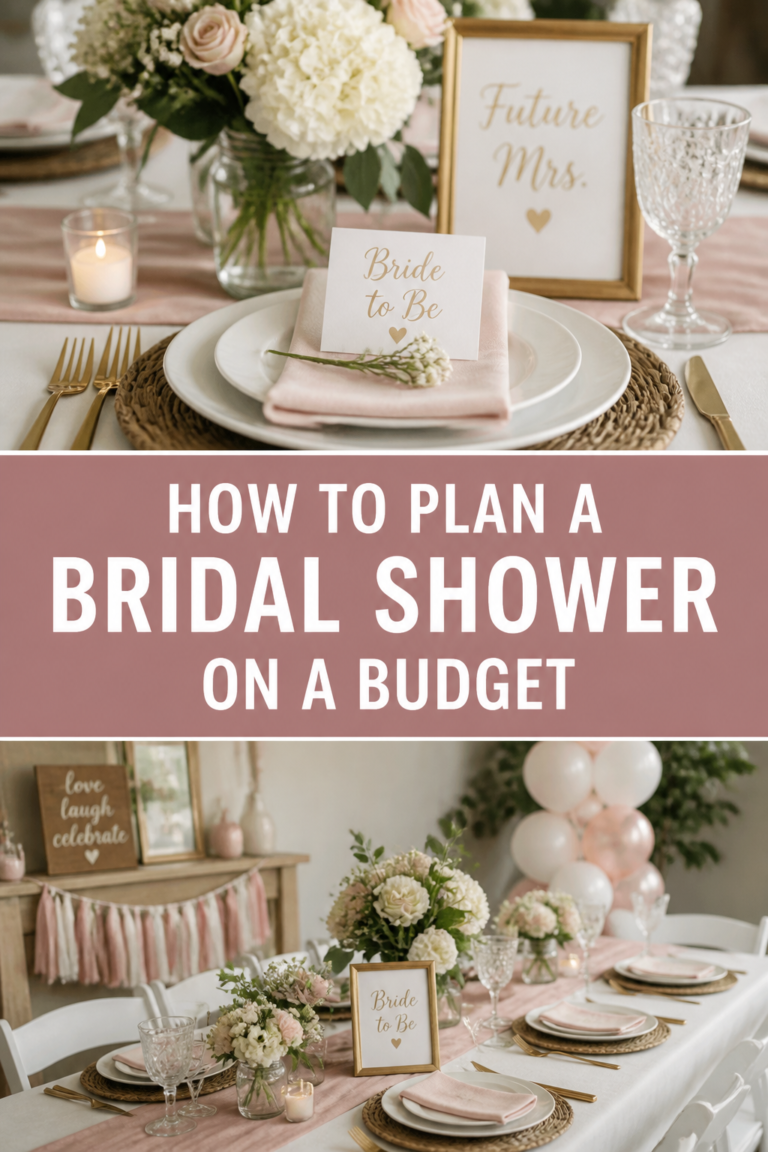
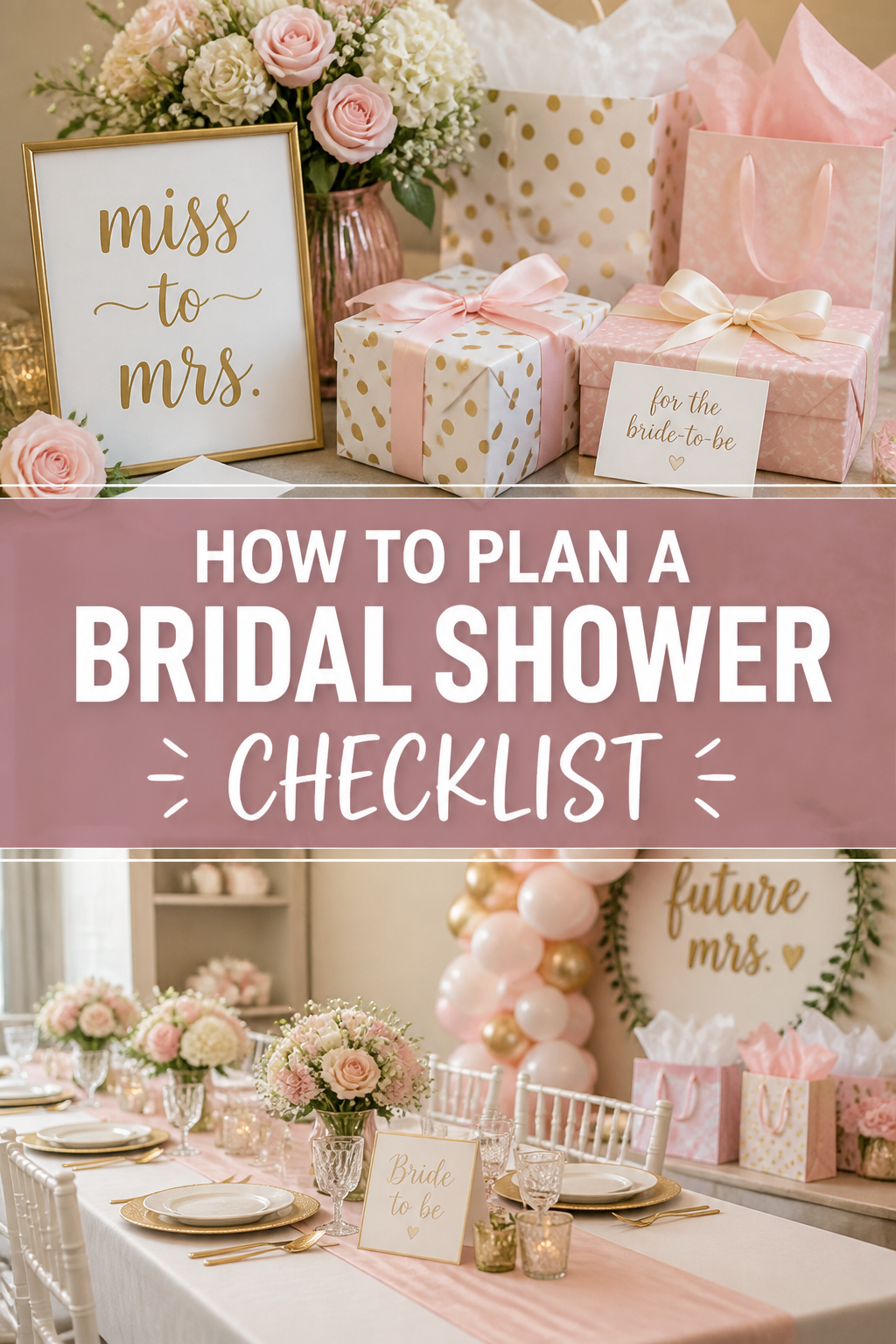
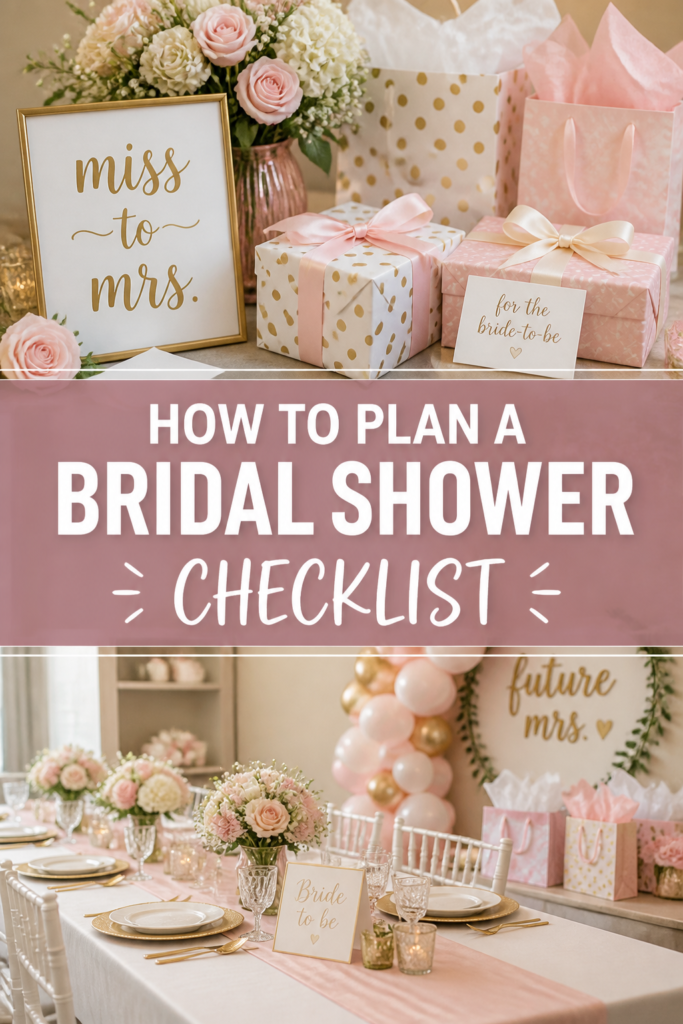
Pick a cohesive color palette that complements the bride’s wedding colors without copying them exactly. Use these colors in your balloons, table linens, and floral arrangements.
Focus on a focal point such as the gift table or the area where the bride will sit. A beautiful backdrop or a floral arch makes for excellent photos and anchors the room’s design.
Gather your supplies well in advance. Buy your streamers, candles, and signage early so you aren’t rushing to the craft store the night before the party.
Step 7: Organize Games and Activities
Select two or three games that suit the bride’s personality. Some brides love “The Shoe Game” or “Bridal Bingo,” while others might prefer a more passive activity like a “Date Night Jar.”
Prepare all necessary materials such as printed game cards, pens, and prizes for the winners. Keep the prizes simple but thoughtful, like candles, succulents, or small gift cards.
Create a rough timeline for the activities. You don’t want the games to drag on too long, as guests will also want time to eat, mingle, and watch the bride open her gifts.
Pro Tip: If the bride is introverted, skip the center-of-attention games and opt for a DIY flower crown station or a professional tasting session.
Step 8: Manage the Gift Opening
Designate a specific area for the bride to sit while opening presents. Ensure there is a trash bag nearby for discarded wrapping paper and a designated person to write down who gave what.
Keep the momentum going by having a bridesmaid or family member hand the gifts to the bride one by one. This keeps the process organized and ensures the bride can focus on thanking each guest.
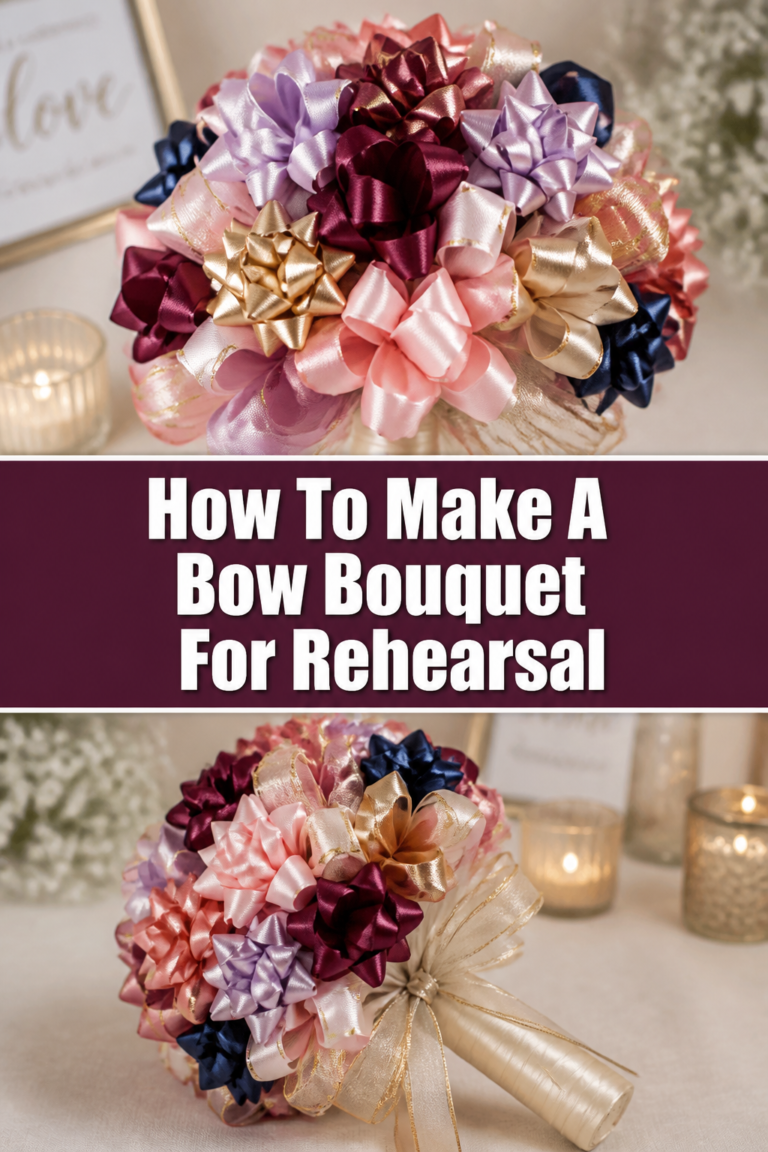
Create a “ribbon bouquet” if that is a tradition the bride enjoys. Use the ribbons and bows from the gifts to create a practice bouquet for the wedding rehearsal.
Common Mistakes to Avoid
Inviting Non-Wedding Guests
This is perhaps the most frequent error in shower planning. Inviting someone to the shower but not the wedding can hurt feelings and create an awkward situation for the bride. Always double-check your list against the final wedding guest list before sending out any invitations.
Over-Programming the Event
While games are a staple of bridal showers, too many activities can make the event feel rushed and exhausting. Guests value time to chat and catch up with one another. Limit the structured games to two or three short sessions to keep the energy high without being overwhelming.
Ignoring the Registry
Guests want to buy things the bride actually needs and wants. If you don’t include the registry information on the invitation or a separate insert, you will be flooded with questions. Make it easy for your guests by providing clear links or store names right from the start.
Waiting Until the Last Minute for DIY
DIY projects often take three times longer than you expect. If you are making your own centerpieces or favors, start them weeks in advance. Trying to assemble fifty succulent pots the night before the shower is a recipe for burnout and mistakes.
Troubleshooting
Low RSVP Response Rate
If the deadline has passed and half the guests haven’t responded, don’t panic. Send a polite follow-up text or email to those who are missing. Sometimes invitations get lost in spam folders or mail piles, and a gentle reminder is all they need to confirm their attendance.
Budget Overruns Midway Through
If you find you are spending too much on decor, look for ways to scale back on the menu or vice versa. Consider switching from a catered meal to a “heavy appetizers” format. You can also ask bridesmaids to contribute a specific item, like a dessert or a bottle of wine, to help offset the costs.
Venue Issues or Weather Changes
If you are hosting outdoors, always have a “Plan B” for rain. This might mean moving the party inside the house or renting a tent. If a professional venue cancels on you, look for local community centers, libraries, or even large Airbnb rentals as quick alternatives.
Key Takeaways
- Consult the bride first to ensure the theme and guest list align with her personal preferences.
- Set a firm budget and track every expense to avoid financial stress among the hosting party.
- Send invitations early to give guests plenty of time to clear their schedules and buy gifts.
- Balance the schedule between food, conversation, and games to keep the event moving smoothly.
- Keep a gift log during the party to make it easy for the bride to send out thank-you notes later.
- Prepare for the unexpected by having a backup plan for weather and a small kit for last-minute repairs.
Frequently Asked Questions
Who is traditionally responsible for hosting the bridal shower?
Traditionally, the maid of honor and the bridesmaids host the shower. However, in modern times, it is perfectly acceptable for the mother of the bride, the mother of the groom, or even close family friends to take the lead. The most important thing is that the host is someone close to the bride who is willing to manage the logistics.
How long should a bridal shower typically last?
Most bridal showers last between two and four hours. This provides enough time for guests to arrive, enjoy a meal, play a couple of games, and watch the bride open her gifts. Keeping the event within this timeframe ensures that guests remain engaged and the energy stays positive throughout the celebration.
When should the bridal shower take place?
The ideal time for a bridal shower is between one and three months before the wedding. This timing ensures the bride isn’t too stressed with final wedding week preparations. It also gives her enough time to organize her new gifts and send out thank-you notes before the big day arrives.
Is it okay to have a themed shower?
Absolutely! Themes can make planning much easier because they dictate the decor, food, and activities. Popular themes include “Around the Clock,” where guests are assigned a time of day for their gift, or “Travel,” for a bride who loves to explore. Just make sure the theme reflects the bride’s actual interests rather than just a current trend.
Our Top Recommended Finds
- A Comprehensive Wedding Planner Notebook: Having a physical place to store receipts, guest lists, and inspiration photos is invaluable for staying organized over several months.
- Instant Film Camera: An Instax or Polaroid camera allows you to take photos of guests and immediately put them into a guest book for the bride to take home.
- Customizable Signage Templates: Using digital templates for your welcome signs and food labels ensures a professional, cohesive look for a fraction of the cost of custom printing.
Taking The First Step Toward A Perfect Day
Now that you have the framework for a successful bridal shower, it is time to put the plan into motion. Start by reaching out to the bride this week to discuss her vision and get that guest list started.
Once you have the guest count and a general idea of the theme, you can begin looking at venues and setting your budget. Remember that the best showers are the ones where the host is relaxed and the bride feels truly celebrated.
If you found this guide helpful, you might also want to look into our tips for writing the perfect maid of honor speech or how to organize a bachelorette party itinerary. Happy planning!
Wedding Planning
No fluff, no drama. Just easy weekly advice, planning shortcuts, and gentle reminders to help you actually enjoy your engagement.