💍 How To Plan A Small Wedding On A Budget

Wedding Planning
No fluff, no drama. Just easy weekly advice, planning shortcuts, and gentle reminders to help you actually enjoy your engagement.
I remember sitting at my kitchen table with a stack of wedding magazines and a sinking feeling in my stomach.
Every “budget” tip I read still seemed to cost more than my first car, so I decided to throw out the rulebook and start from scratch.
This guide is the result of that trial and error, designed to help you create a day that feels incredibly special without starting your marriage in debt.
Quick Overview
Planning a small wedding requires a shift in perspective. You are not cutting corners; you are curating an intentional experience for your closest inner circle.
- Time needed: 3 to 9 months
- Difficulty: Intermediate
- What you’ll need: A shared digital spreadsheet, a firm guest count limit, and a prioritized list of values.
Step-by-Step Instructions
Step 1: Define Your Non-Negotiables
Identify the three most important elements of your wedding day before you look at a single price tag. For some, this is high-quality photography, while for others, it is a specific type of cuisine or a designer dress.
Allocate the bulk of your funds to these three priorities and commit to being ruthless with the rest of the budget. If you care about the food but not the flowers, you can happily use simple greenery or candles instead of expensive peonies.
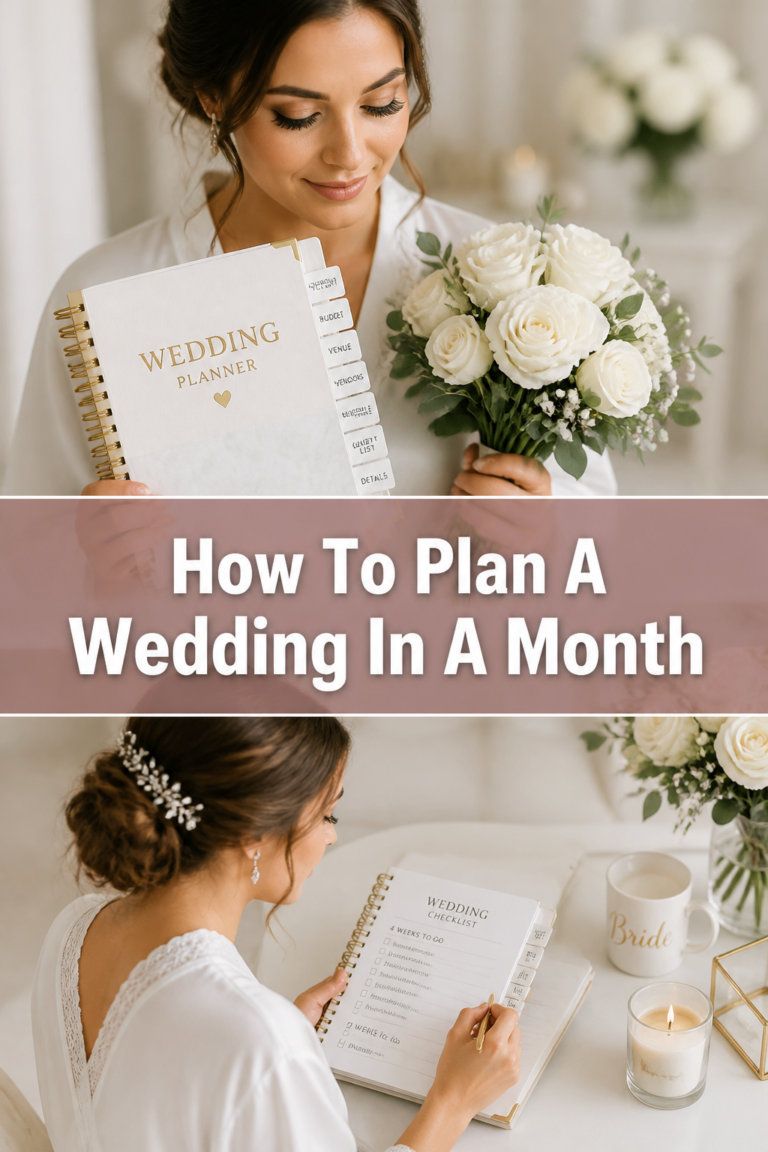
Write these priorities down on the first page of your wedding planner. When you feel pressured to add “extras” later on, refer back to this list to stay grounded in your original vision.
Pro Tip: Discuss these priorities with your partner separately first, then come together to find the common ground that represents both of you.
Step 2: Cap the Guest List Early
Understand that every person you add to the list increases the cost of food, rentals, invitations, and even the size of the venue. A small wedding typically ranges from 20 to 50 guests, which allows for a much more intimate atmosphere.
Create a “Circle of Influence” rule where you only invite people you have spoken to or seen in the last twelve months. This helps eliminate the guilt of not inviting distant cousins or old coworkers you haven’t messaged in years.
Stick to your number once it is set. It is much easier to tell people you are having an “immediate family only” ceremony than to explain why some friends made the cut and others did not.
Step 3: Source a Non-Traditional Venue
Look beyond dedicated wedding halls, which often come with high rental fees and required vendor lists. Consider public parks, art galleries, large Airbnb rentals, or even your favorite local restaurant’s private dining room.
Check your local municipal website for “special event permits” in public spaces. Often, you can rent a beautiful rose garden or a beachfront pavilion for a fraction of the cost of a private venue.
Inquire about “blank canvas” spaces that allow you to bring in your own catering and alcohol. While this requires more coordination, the savings on markup prices for drinks and food can be substantial.
Pro Tip: If using a private residence or Airbnb, always verify the host’s event policy and ensure there is enough parking and restroom capacity for your group.
Step 4: Rethink the Timing
Choose a weekday or a Sunday morning for your celebration. Most venues and photographers offer significant discounts for dates that are not Saturday nights, as these are harder for them to fill.
Consider a brunch wedding, which is naturally more affordable than a formal dinner. Mimosas, pastries, and omelet stations are festive and delicious but cost much less per head than a three-course steak dinner.
Host a “cake and punch” reception in the mid-afternoon. By scheduling your wedding between 2:00 PM and 5:00 PM, guests will not expect a full meal, allowing you to focus on high-quality desserts and appetizers.
Step 5: Simplify Your Catering Strategy
Opt for family-style service or a specialized food truck rather than a formal plated meal. Food trucks provide a fun, casual vibe and usually handle all the serving equipment, which saves you money on rentals.
Buy your own alcohol from a wholesaler or a store that allows returns on unopened bottles. Serving a “signature cocktail” alongside beer and wine is much cheaper than providing a full open bar with every type of spirit.
Skip the massive five-tier wedding cake in favor of a small cutting cake and a variety of smaller treats. Cupcakes, donuts, or even a localized favorite like a pie bar are often more popular with guests and easier on the wallet.
Step 6: DIY Your Decor and Florals
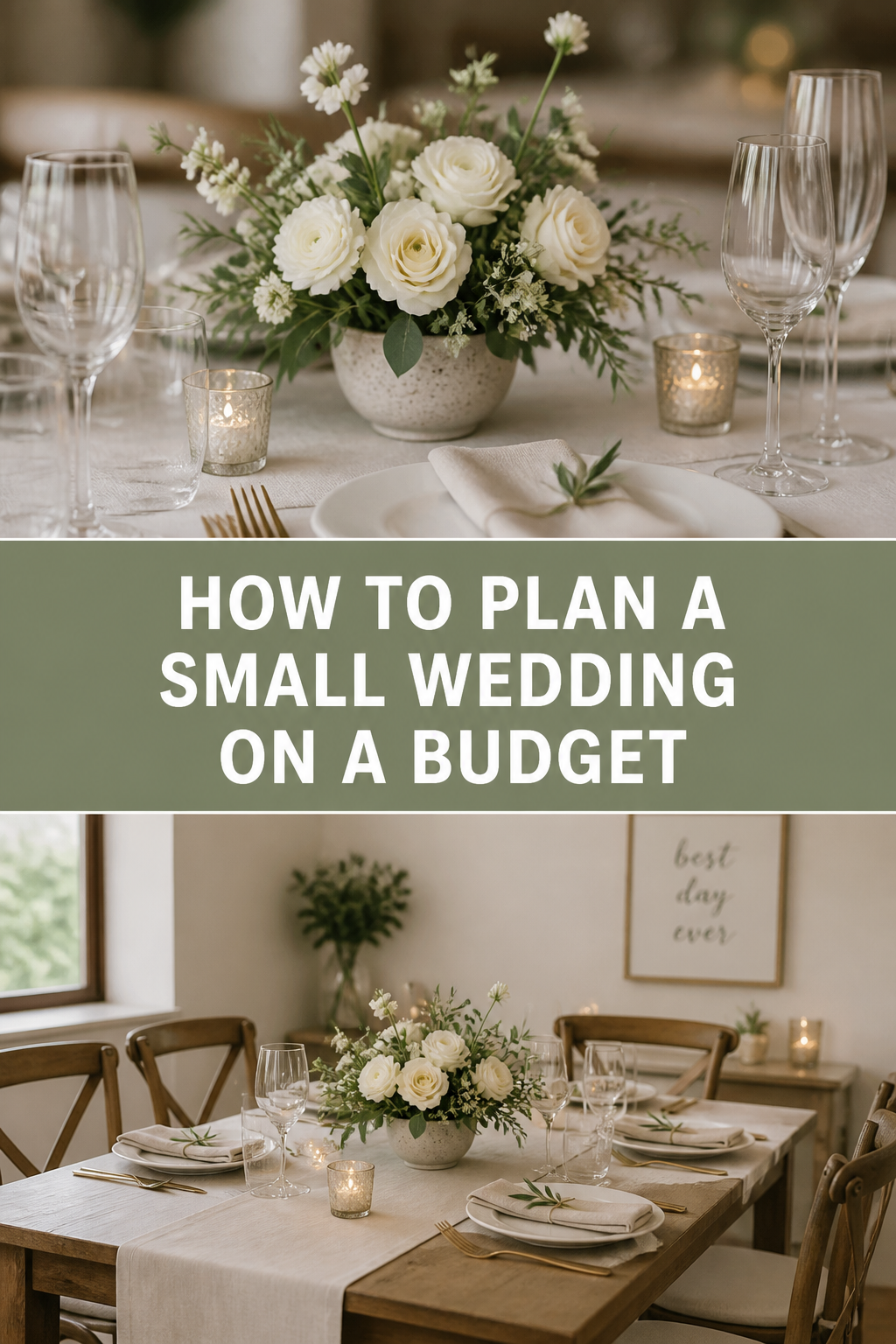
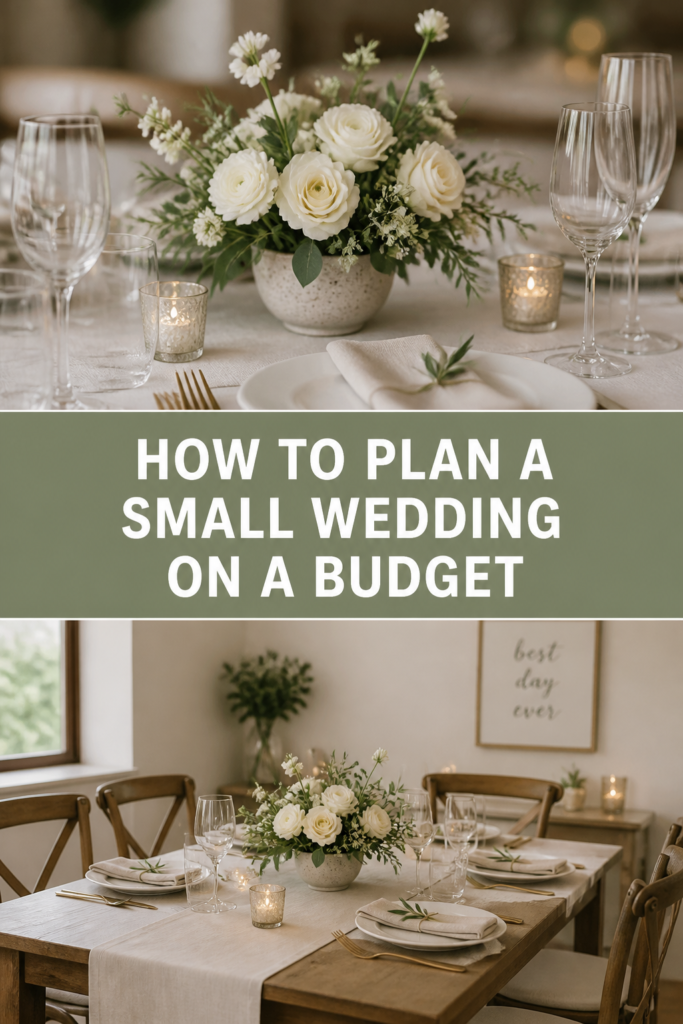
Focus on high-impact, low-cost items like candles and string lights. Lighting creates an instant mood and covers a lot of visual space without requiring expensive floral arrangements.
Purchase flowers in bulk from a local farmers’ market or a wholesale warehouse the day before the wedding. Stick to one or two types of flowers and plenty of eucalyptus or ferns to create a lush look for a lower price point.
Utilize digital invitations instead of traditional paper suites. Not only do you save on printing and postage, but digital platforms also make tracking RSVPs and dietary restrictions much more efficient.
Pro Tip: If you do want paper invites, print a single beautiful card with a QR code that leads to your wedding website for all the extra details.
Step 7: Shop Pre-Loved or Alternative Fashion
Search for “white evening gowns” or “cocktail dresses” rather than searching specifically for “wedding dresses.” Many high-end designers offer stunning white dresses in their regular collections for a third of the price of a bridal gown.
Visit consignment shops or online marketplaces that specialize in second-hand wedding attire. Many brides sell their dresses after one wear, meaning you can get a designer look for a thrift store price.
Encourage the groom and wedding party to wear suits they already own. Coordinating through matching ties or pocket squares creates a cohesive look without forcing everyone to rent or buy expensive new outfits.
Common Mistakes to Avoid
The “Just One More” Guest Trap
It is very tempting to add a few more people as the date gets closer. However, adding five guests isn’t just about five more chairs; it’s five more meals, five more favors, and potentially a larger cake.
Stay firm with your original count to ensure your budget doesn’t slowly inflate. If you feel guilty, plan a casual “after-party” at a local bar a few weeks later for the wider circle of friends.
Underestimating Rental Costs
Many couples choose a backyard wedding thinking it will be free, only to realize they need to rent a tent, flooring, tables, chairs, and portable restrooms. These costs can quickly exceed the price of a traditional venue rental.
Always get a full quote for rentals before committing to a “free” space. Sometimes a small restaurant that already has tables and chairs is actually the more economical choice.
Over-DIYing Everything
While DIY can save money, it can also cost you your sanity in the final days before the wedding. Trying to arrange 50 centerpieces, bake your own cake, and set up the sound system yourself is a recipe for extreme stress.
Choose two or three DIY projects that you actually enjoy and outsource the rest. Your time and peace of mind have a value that should be factored into the overall budget.
Troubleshooting
Family Pressure to Expand the Wedding
If parents or relatives are pushing for a larger guest list, be transparent about your financial goals. Explain that you are prioritizing a debt-free start to your marriage over a large party.
If they insist on adding guests, you can politely suggest that they cover the per-head cost for those additional people. Often, once the actual price is presented, the pressure to invite distant acquaintances disappears.
Bad Weather for Outdoor Venues
Outdoor weddings are beautiful and often cheaper, but they are also risky. Always have a “Plan B” that is already paid for or can be activated at a moment’s notice.
This might mean renting a tent with a 48-hour cancellation policy or ensuring your venue has an indoor backup room. Never assume the weather will cooperate, as a last-minute tent rental during a storm will cost double the normal rate.
Last-Minute Hidden Fees
Service charges, gratuities, and delivery fees can add up to 30% on top of your quoted prices. Many couples forget to factor these into their initial budget spreadsheet.
When reviewing contracts, always ask for the “all-in” price including tax and tip. Keep a small “contingency fund” of about 10% of your total budget to cover these unexpected expenses as they arise.
Key Takeaways
- Prioritize your top three values and spend your money there while cutting everything else.
- Keep your guest list under 50 people to maintain intimacy and control costs.
- Look for non-traditional venues like parks or restaurants to avoid “wedding industry” markups.
- Consider off-peak days or times, such as a Sunday brunch, for significant savings.
- Use digital tools for invitations and RSVPs to save on paper and postage.
- Be realistic about what you can DIY and what should be handled by a professional.
Frequently Asked Questions
What is a realistic budget for a small wedding?
A small wedding can cost anywhere from $1,000 to $10,000 depending on your location and choices. Many couples find that $5,000 is a “sweet spot” that allows for high-quality food and photography for a group of 30 people without feeling like they are sacrificing quality.
Is it okay to not have a wedding party?
Absolutely. Skipping bridesmaids and groomsmen is a major trend for small weddings. It reduces the complexity of the ceremony, saves your friends money, and eliminates the need for extra bouquets, boutonnieres, and gifts.
How do I tell people they aren’t invited?
You don’t need to send “un-invitations.” If someone asks about the wedding, simply say, “We’ve decided to keep it very small with just immediate family and a few close friends.” Most people will understand and respect your desire for an intimate celebration.
Can I still have a registry if the wedding is small?
Yes, guests who are invited will still want to celebrate your new life together. However, keep the registry modest and include a range of price points, or opt for a “honeyfund” where guests can contribute small amounts toward a future trip or house down payment.
Our Top Recommended Finds
- Wedding Budget Spreadsheet Templates: Look for customizable digital templates that automatically calculate tax and tip to keep your finances organized in real-time.
- High-Quality Portable Bluetooth Speaker: For very small weddings, a professional-grade portable speaker can replace an expensive DJ while still providing excellent sound for the ceremony and toasts.
- Digital Invitation Platforms: Services that offer beautiful, designer-made digital invites allow you to manage your guest list and updates from your phone.
The First Step Toward Your Debt-Free Celebration
The most important thing to remember is that your wedding is a celebration of a marriage, not just a one-day production.
By choosing a small, budget-friendly wedding, you are giving yourselves the gift of a stress-free start to your life together.
Take a look at your calendar today and pick a few potential “off-peak” dates to start your venue search.
Once you have a date and a guest count, the rest of the pieces will naturally fall into place.
Wedding Planning
No fluff, no drama. Just easy weekly advice, planning shortcuts, and gentle reminders to help you actually enjoy your engagement.