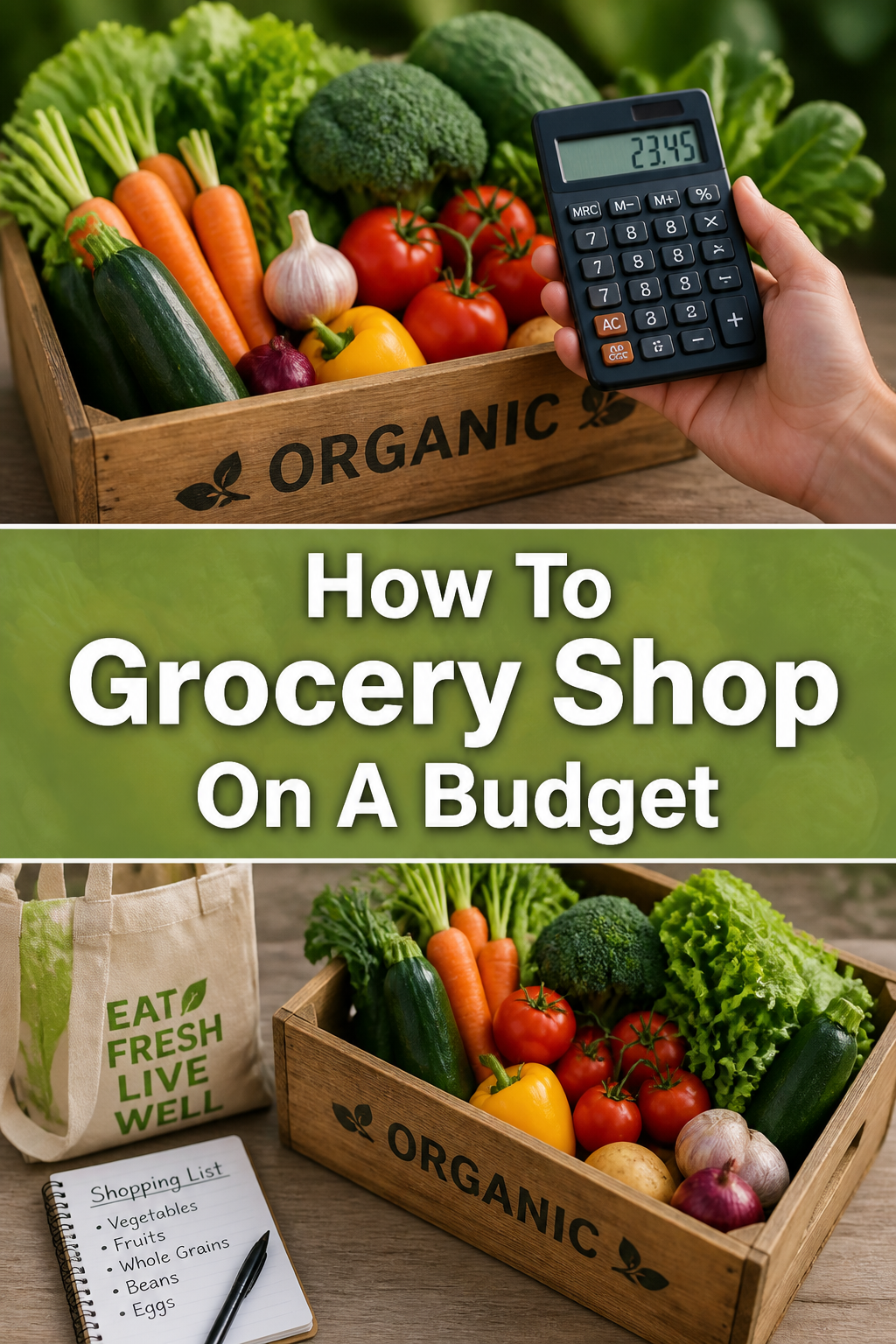
🛒 How To Grocery Shop On A Budget

Wedding Planning
No fluff, no drama. Just easy weekly advice, planning shortcuts, and gentle reminders to help you actually enjoy your engagement.
Grocery shopping can feel like a constant battle against rising prices.
Many people find their food budget stretching thinner and thinner each week.
As someone who has successfully fed a family on a tight budget for years, I know these strategies work and can significantly cut your costs.
Quick Overview
This guide will equip you with practical steps to reduce your grocery bill without sacrificing nutrition or flavor. You’ll learn how to plan effectively, shop smarter, and make the most of your purchases.
- Time needed: 30-60 minutes for initial planning, then 15-30 minutes weekly
- Difficulty: Beginner
- What you’ll need: Pen and paper or a digital note app, a calculator, your pantry, and fridge
Step-by-Step Instructions
Step 1: Audit Your Current Pantry and Fridge
Before you even think about writing a list, take stock of what you already own. Open your pantry, peek into your fridge, and check your freezer.
This simple act prevents duplicate purchases and helps you use items nearing their expiration date.
- List all ingredients you have on hand.
- Note any items that need to be used soon.
- Identify staples you are running low on.
Pro Tip: Organize as you audit. Pull older items to the front so they are visible and used first. This reduces food waste, which is a hidden budget killer.
Step 2: Plan Your Meals for the Week
Meal planning is the cornerstone of budget grocery shopping. It helps you buy only what you need and minimizes impulse buys.
Consider your family’s preferences and any dietary restrictions.
- Choose 5-7 meals for the week, focusing on versatile ingredients.
- Incorporate items from your pantry audit into your meal plan.
- Look for recipes that share common ingredients to reduce waste and cost.
Think about breakfast, lunch, and dinner. Don’t forget snacks if those are part of your regular eating habits.
Step 3: Create Your Grocery List Strategically
Once your meals are planned, build your grocery list based only on those recipes. This is where you translate your meal plan into actionable shopping.
Categorize your list by store section (produce, dairy, meat, dry goods) to save time and prevent backtracking in the store.
- List every ingredient needed for your planned meals.
- Cross-reference with your pantry audit to remove items you already have.
- Add essential household items if necessary, keeping them separate.
Pro Tip: Use a digital list app that syncs with family members. This allows everyone to add items they notice are running low, streamlining the process.
Step 4: Check for Sales and Coupons
Before heading out, review weekly store flyers and digital coupons. Many grocery stores have apps that offer personalized deals.
Only consider sales for items already on your list or staples you regularly use and can store.
- Browse store flyers online or in print.
- Clip digital coupons directly to your store loyalty card.
- Adjust your meal plan slightly if a key ingredient is on a significant sale.
Don’t fall for “deals” on items you don’t need, as this defeats the purpose of budget shopping.
Step 5: Set a Budget and Stick To It
Decide on a realistic spending limit for your grocery trip. This forces you to make conscious choices while shopping.
It’s helpful to track your spending for a few weeks to establish a baseline budget.
- Determine your weekly or bi-weekly grocery allowance.
- Use a calculator on your phone as you shop to keep a running total.
- Prioritize essential items if you find yourself nearing your limit.
If you go over, consider putting back non-essential items or choosing a cheaper alternative.
Step 6: Shop Smart at the Store
Your behavior in the grocery store significantly impacts your budget. Avoid shopping when hungry, as this often leads to impulse purchases.
Stick to your list as closely as possible.
- Eat a meal or snack before you leave home.
- Follow your categorized list, moving efficiently through the store.
- Compare unit prices (price per ounce or per unit) to find the best value.
Look at store brands, which are often identical in quality to name brands but cost less. Check the lower and upper shelves for better deals, as expensive items are often placed at eye level.
Step 7: Optimize Your Purchases
Certain product choices can dramatically affect your overall bill. Think about fresh vs. frozen, and whole ingredients vs. pre-cut.
Buying in bulk can be cost-effective for non-perishables if you have storage space and will genuinely use the product.
- Choose frozen fruits and vegetables for convenience and often lower cost, especially out of season.
- Buy whole ingredients (e.g., a block of cheese instead of shredded) and prepare them yourself.
- Consider larger packs of meat or poultry when on sale, then portion and freeze them at home.
Avoid single-serving packages; they usually cost more per unit. Invest a little time in preparation to save money.
Step 8: Track and Adjust
After your shopping trip, review your receipt. See how well you stuck to your budget and identify areas for improvement.
This reflective practice helps refine your strategy for future trips.
- Compare your actual spending to your budget.
- Note any items you bought that weren’t on your list.
- Identify what worked well and what challenges you faced.
Use these insights to make small adjustments to your meal planning or shopping habits next week. Continuous improvement is key.
Common Mistakes to Avoid
Shopping Without a List
Going to the grocery store without a detailed list is a surefire way to overspend. You’ll likely forget essential items, leading to extra trips, or buy things you don’t need because they catch your eye.
Always create a list based on a meal plan and stick to it strictly. This discipline keeps your budget in check.
Not Checking Your Pantry First
Many people buy duplicates of items they already have simply because they didn’t check their kitchen before shopping. This leads to wasted food and money.
Always do a quick audit of your pantry, fridge, and freezer before making your list. Use what you have before buying more.
Ignoring Unit Prices
Focusing only on the sticker price can be misleading. A larger package might seem more expensive initially, but its unit price (cost per ounce or gram) could be lower.
Always compare unit prices, usually found on the shelf tag, to determine the true best value for your money.
Shopping When Hungry
When you shop on an empty stomach, everything looks appealing. This often results in impulse purchases of snacks, convenience foods, and other items not on your list.
Eat a meal or a substantial snack before you head to the store to avoid succumbing to hunger-driven temptations.
Troubleshooting
Issue: I keep going over my budget.
Solution: Revisit your meal plan. Are you including too many expensive ingredients like certain cuts of meat or specialty items? Try incorporating more plant-based meals, legumes, and cheaper produce.
Also, meticulously track your spending as you shop. Use your phone’s calculator to add up items before you reach the checkout. This real-time awareness can help you make adjustments before it’s too late.
Issue: I get overwhelmed by meal planning.
Solution: Start small. Don’t try to plan every single meal and snack for seven days. Begin by planning just dinners for 3-4 days, then gradually expand as you get more comfortable.
Keep a list of your family’s favorite, budget-friendly meals. When planning feels daunting, you can simply rotate through these tried-and-true options.
Issue: I end up with food waste despite planning.
Solution: This often happens when portions are too large or ingredients aren’t used fully. Adjust recipe sizes to fit your household’s needs. If a recipe calls for half an onion, plan another meal that uses the other half.
Get creative with leftovers. Transform dinner remnants into lunch the next day, or freeze portions for quick future meals. Proper storage also extends food life; ensure produce is stored correctly.
Key Takeaways
- Audit your kitchen first: Always check your pantry, fridge, and freezer before making a list.
- Plan meals rigorously: Base your shopping list strictly on a weekly meal plan to avoid impulse buys.
- Create a categorized list: Organize your list by store section to shop efficiently and stay focused.
- Compare unit prices: Look beyond the sticker price to find the best value per ounce or gram.
- Shop smart and fed: Avoid going to the store hungry and stick to your budget using a calculator.
- Track and adjust: Review your spending and habits after each trip to refine your strategy.
Frequently Asked Questions
Is it better to shop once a week or multiple times?
Generally, shopping once a week is more budget-friendly. Fewer trips mean less exposure to impulse buys and saves on travel costs. However, if you’re very disciplined, smaller, more frequent trips can ensure fresher produce and less waste.
Should I buy organic produce on a budget?
Buying organic can be more expensive. Prioritize organic for items on the “Dirty Dozen” list (foods with higher pesticide residues) if it’s important to you. For other produce, conventional options are perfectly nutritious and more budget-friendly.
How can I save money on meat and protein?
Incorporate more plant-based proteins like beans, lentils, and eggs, which are very affordable. When buying meat, choose less expensive cuts, buy larger packs on sale and freeze portions, or opt for whole chickens you can butcher yourself.
What are some budget-friendly pantry staples?
Rice, pasta, oats, dried beans, lentils, canned tomatoes, frozen vegetables, and flour are excellent, cost-effective staples. These ingredients form the base of many inexpensive and filling meals.
Our Top Recommended Finds
- Reusable Produce Bags: Help reduce plastic waste and keep your produce fresh longer than thin plastic bags.
- Meal Planning Whiteboard: A visual reminder on your fridge helps everyone know what’s for dinner and keeps you accountable.
- Food Storage Containers: Good quality, airtight containers are essential for storing leftovers, prepped ingredients, and bulk purchases, reducing waste.
Embrace Your Budget-Savvy Journey
Taking control of your grocery spending is an empowering step towards financial wellness. These strategies are not about deprivation, but about smart choices and thoughtful planning.
You’ll discover new recipes, reduce food waste, and gain confidence in your ability to manage your household budget.
Start small today. Pick just one or two steps to implement this week, and watch your savings grow.
Wedding Planning
No fluff, no drama. Just easy weekly advice, planning shortcuts, and gentle reminders to help you actually enjoy your engagement.