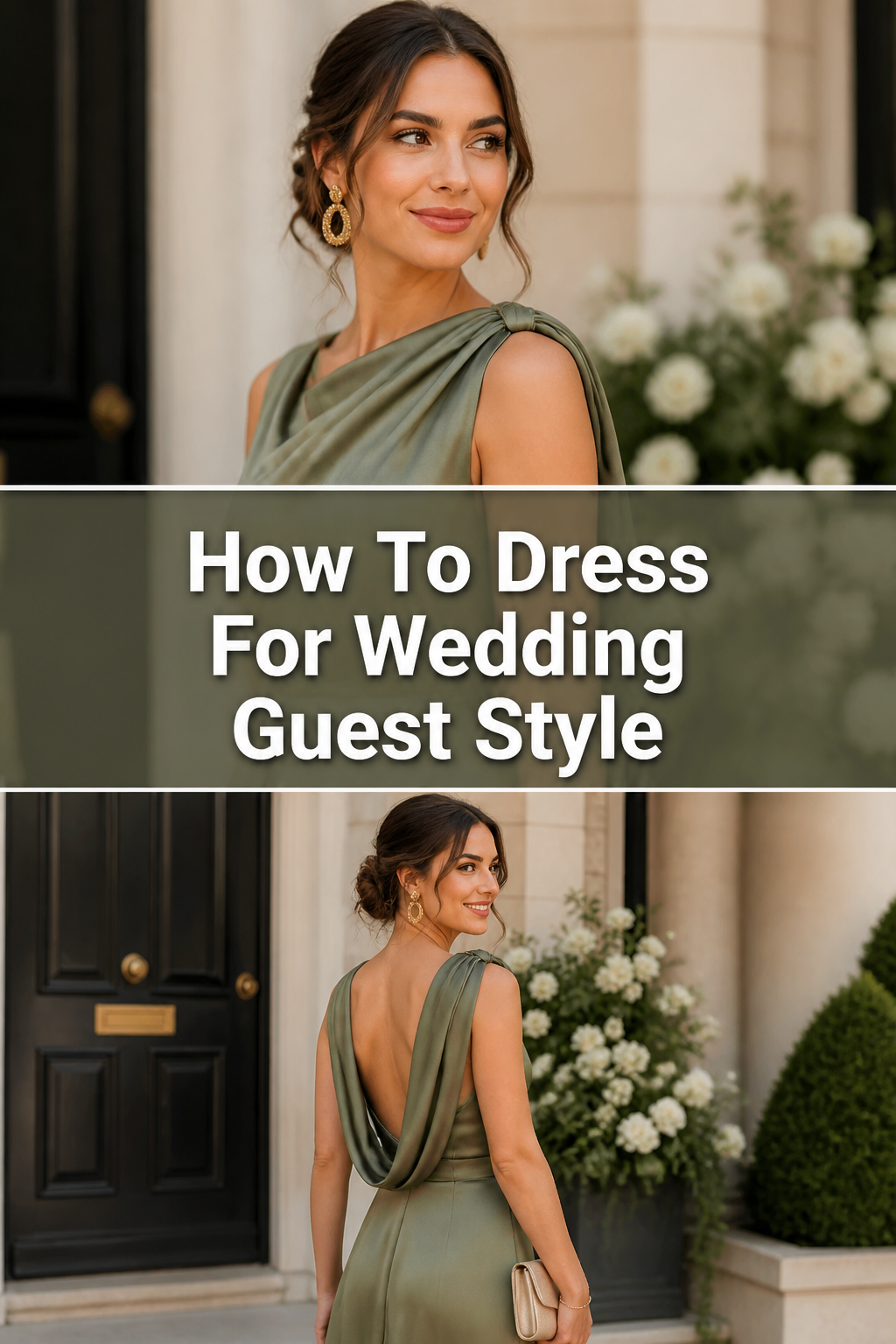
👗 How To Dress For Wedding Guest Style
Attending a wedding is a joyous occasion, a chance to celebrate love and witness a beautiful union. However, navigating the world of wedding guest attire can sometimes feel like a puzzle. I’ve personally experienced the pre-wedding outfit panic, wondering if my chosen look hits the right note.
This guide is designed to take the guesswork out of your wedding guest style. It draws from years of attending various celebrations and helping others find their perfect ensemble.
Quick Overview
This guide will empower you to choose a stunning and appropriate outfit for any wedding you attend. You’ll learn to decipher dress codes, consider practical elements, and assemble a complete look with confidence.
- Time needed: 45-90 minutes (for planning and initial selection)
- Difficulty: Beginner
- What you’ll need: Your wedding invitation, internet access, a full-length mirror, and an open mind.
Step-by-Step Instructions
Step 1: Decipher the Dress Code
The wedding invitation is your first and most crucial clue. It usually specifies a dress code, which dictates the overall formality of the event. Always start here before considering any garments.
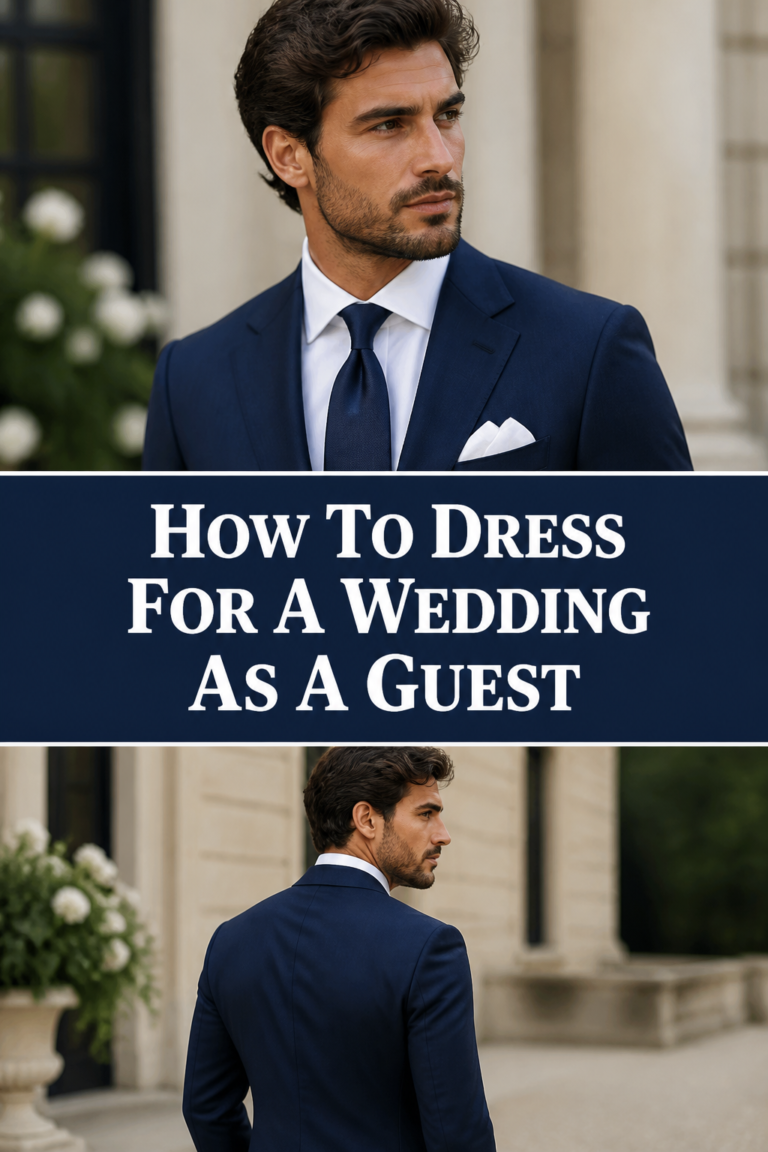
If the invitation states “Black Tie,” think elegant floor-length gowns for women and tuxedos for men. This is the pinnacle of formal wear.
“Black Tie Optional” offers a little more flexibility. Women can choose a sophisticated cocktail dress or a formal pantsuit. Men might wear a dark suit with a tie, or a tuxedo if they prefer.
For “Cocktail Attire,” women should opt for knee-length, midi, or tea-length dresses. Dressy separates or a chic jumpsuit also work well. Men should wear a suit and tie.
“Semi-Formal” or “Dressy Casual” allows for a wider range. Women can choose dressier separates, a stylish sundress, or a skirt and blouse. Men can wear dress pants with a button-down shirt, a sport coat, and no tie.
“Casual” weddings are the most relaxed. However, remember it’s still a wedding. Avoid jeans, shorts, and t-shirts unless explicitly stated. Think nice sundresses, dressy skirts, or khakis with a polo for men.
If no dress code is mentioned, it’s generally safe to default to semi-formal or cocktail attire. You can also consider the venue and time of day for further clues.
Pro Tip: When in doubt, it’s almost always better to be slightly overdressed than underdressed. You can often dress down an outfit with accessories, but it’s hard to dress up one that’s too casual.
Step 2: Consider the Venue and Season
Beyond the dress code, the location and time of year play a significant role in your outfit choice. These practical elements ensure both comfort and appropriateness.
Analyze the venue type. A grand ballroom wedding calls for different attire than a rustic barn celebration or a beachside ceremony. An outdoor wedding in a garden might mean navigating grass, so heel choice is important.
Think about the season and local climate. A summer outdoor wedding requires breathable fabrics and lighter colors. A winter indoor event allows for richer textures like velvet or brocade, and deeper hues.
Account for the time of day. Morning or afternoon weddings often lean towards lighter colors and fabrics. Evening weddings typically call for darker, more formal attire.
Choose fabrics wisely. Linen, cotton, and chiffon are excellent for warm weather. Wool, tweed, and heavier silks suit cooler temperatures.
Step 3: Choose Your Outfit
This is where your personal style comes into play, guided by the information gathered in the previous steps. Select a piece that makes you feel confident and comfortable.
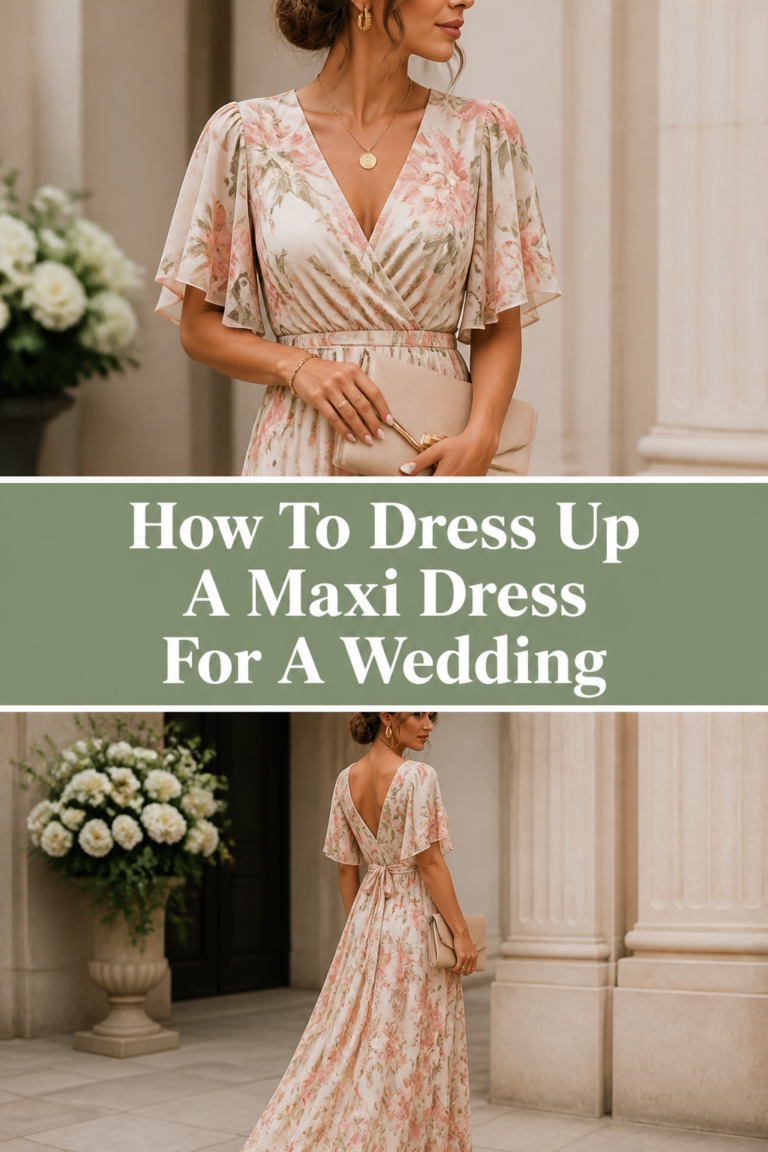
Opt for a dress. This is a classic choice for women. Consider A-line, sheath, or fit-and-flare silhouettes. The length should align with the dress code.
Explore jumpsuits or pantsuits. These are increasingly popular and stylish alternatives, especially for cocktail or semi-formal events. Ensure they are tailored and made from quality fabrics.
Select appropriate colors and patterns. Avoid anything too distracting or loud that might pull focus from the couple. Steer clear of white, ivory, or champagne, as these colors are traditionally reserved for the bride.
Embrace jewel tones, pastels, or classic navy and black. Floral patterns can be lovely for spring and summer weddings. Geometric prints add a modern touch.
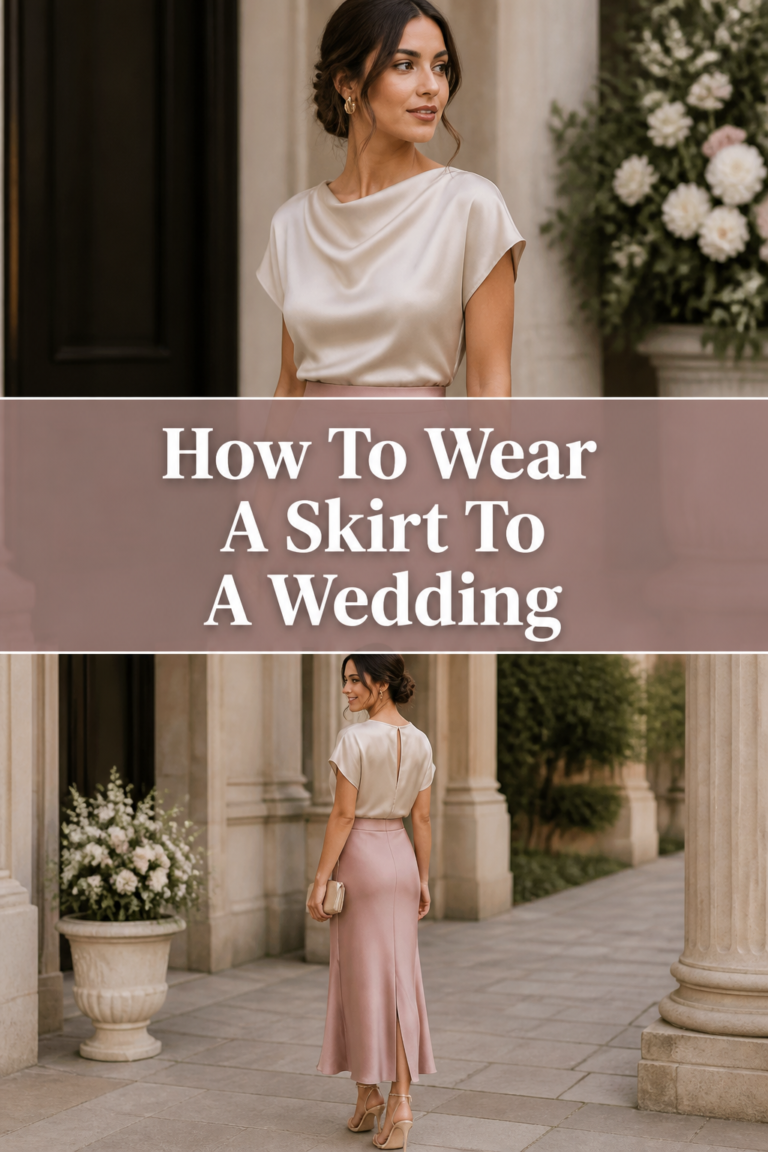
Consider separates. A dressy skirt paired with an elegant top can create a sophisticated look. This offers versatility and can be mixed and matched for future events.
Pro Tip: Always try on your outfit a few weeks before the wedding. This gives you time for alterations if needed and ensures everything fits perfectly.
Step 4: Accessorize Thoughtfully
Accessories complete your look, adding personality and polish. They should complement your outfit without overpowering it.
Pick jewelry that enhances your neckline and overall style. For a high neckline, statement earrings or a bracelet might be best. A lower neckline can accommodate a necklace.
Select a handbag. A clutch or a small shoulder bag is generally preferred over a large everyday purse. It should be proportional to your outfit and hold only essentials.
Coordinate your metals. Decide whether you prefer gold, silver, or rose gold, and stick to one palette for a cohesive look. Mixed metals can work, but require a keen eye.
Add a wrap or shawl if the venue might be chilly or for a touch of elegance. This is especially useful for outdoor evening events or air-conditioned ballrooms.
Step 5: Select Appropriate Footwear
Comfort and style are equally important when choosing wedding guest shoes. You’ll likely be on your feet for an extended period, so practicality matters.
Choose shoes that match the formality of your outfit. Heels, dressy flats, or elegant sandals are typically suitable for women. Men should wear dress shoes.
Consider the venue. Stilettos might sink into grass or get stuck in cobblestones at an outdoor wedding. Block heels, wedges, or dressy flats are safer, more comfortable alternatives.
Prioritize comfort. Break in new shoes before the wedding day to avoid blisters. Gel inserts can also be a lifesaver for long events.
Ensure your shoes are clean and in good condition. Scuffed heels or dirty soles can detract from an otherwise perfect outfit.
Step 6: Grooming and Finishing Touches
Your outfit is only one part of your overall presentation. Personal grooming and final details bring your entire look together.
Style your hair appropriately. An updo, elegant waves, or a polished blow-out are all good options. Avoid overly casual hairstyles like messy buns or ponytails unless the wedding is truly casual.
Apply makeup that enhances your features without being overly dramatic. A natural, polished look is usually best. Consider long-wearing formulas, especially for warmer weather or emotional moments.
Ensure your nails are neat and polished. A classic nude, soft pink, or a color that complements your outfit works well. Chipped nail polish can look unkempt.
Check for any loose threads, wrinkles, or lint on your outfit. A lint roller is your best friend before heading out the door.
Spritz a subtle fragrance. Choose a scent that isn’t too overpowering, as you’ll be in close proximity to many people.
Step 7: The “Try-On” Test
Before the big day, perform a full dress rehearsal. This final check ensures everything is perfect and helps you feel confident.
Wear your entire outfit, including shoes, accessories, and undergarments. Walk around, sit down, and even do a little dance.
Assess how comfortable you feel. Does anything pinch, chafe, or feel too tight? Can you move freely and comfortably?
Check for any wardrobe malfunctions. Does your bra show? Is the hem uneven? Does anything gape open when you move?
Take photos in different lighting. Sometimes an outfit looks different in natural light versus indoor lighting. This helps you catch any unexpected issues.
Confirm your outfit still aligns with the dress code and venue. This final review prevents any last-minute worries.
Common Mistakes to Avoid
Ignoring the Dress Code
Disregarding the dress code is a common misstep that can lead to feeling out of place. The couple sets the tone for their special day, and your attire should respect their wishes. Showing up in a casual sundress to a black-tie event, or an evening gown to a beach wedding, can be awkward for everyone involved. Always refer to the invitation first and foremost.
Wearing White (or too close to white)
This is perhaps the most well-known wedding guest faux pas. White, ivory, cream, or champagne are traditionally reserved for the bride. Wearing these colors can inadvertently compete with the bride or cause confusion. It’s a sign of respect to choose a different color.
Over-Accessorizing
While accessories enhance an outfit, too many can make you look cluttered or distract from your overall look. A good rule of thumb is to choose one or two statement pieces and let them shine. For example, if you wear bold earrings, opt for a simpler necklace. Keep your handbag small and discreet.
Uncomfortable Footwear
Choosing style over comfort often leads to regret, especially at a wedding where you’ll be standing, mingling, and dancing. Blisters and sore feet can quickly ruin your enjoyment of the celebration. Always prioritize shoes you can comfortably wear for several hours. If you must wear heels, consider bringing a pair of elegant flats for later in the evening.
Troubleshooting
“I don’t know the dress code!”
If the invitation doesn’t specify a dress code, don’t panic. First, consider the venue and time of day. A formal hotel ballroom in the evening suggests cocktail or semi-formal. A daytime backyard wedding hints at dressy casual. If you’re still unsure, reach out to a member of the wedding party (not the couple directly) for clarification. Erring on the side of semi-formal is often a safe bet.
“My outfit feels too casual/formal.”
If your chosen outfit feels slightly off, try adjusting your accessories. A casual dress can be elevated with dressier shoes, statement jewelry, and a clutch. Conversely, a formal dress can be toned down slightly with simpler accessories, a more relaxed hairstyle, and comfortable flats. A wrap or jacket can also adjust the formality.
“I’m on a tight budget.”
You don’t need to spend a fortune to look fabulous. Explore options like renting an outfit for black-tie events. Shop sales, thrift stores, or borrow from a friend for more casual weddings. Sometimes, a well-chosen accessory can transform an existing dress in your closet. Focus on good fit and quality fabrics, even if the item isn’t brand new.
Key Takeaways
- Always check the invitation for the dress code first. This is your primary guide for formality.
- Consider the venue, season, and time of day. These practical elements influence fabric, color, and comfort.
- Avoid white, ivory, or champagne. These colors are reserved for the bride.
- Prioritize comfort in your footwear. You’ll be standing and dancing, so choose wisely.
- Accessorize thoughtfully, not excessively. Let your accessories complement your outfit.
- Perform a full try-on test beforehand. This ensures a perfect fit and eliminates last-minute stress.
Frequently Asked Questions
Can I wear black to a wedding?
Yes, wearing black to a wedding is generally acceptable, especially for evening or more formal events. The old superstition about black being only for mourning is largely outdated. Just ensure the black outfit is festive and elegant, perhaps with dressy accessories or a touch of sparkle, rather than looking somber.
What about jumpsuits or pantsuits?
Jumpsuits and pantsuits are absolutely acceptable and fashionable choices for wedding guests. They offer a chic alternative to dresses, particularly for cocktail, semi-formal, or even black-tie optional events. Choose one in a luxurious fabric, ensure it’s well-tailored, and pair it with appropriate accessories to elevate the look.
Is it okay to wear bright colors?
Bright colors are often a wonderful choice, especially for spring, summer, or destination weddings. They can add a vibrant and celebratory feel to your look. Just ensure the color isn’t so neon or distracting that it pulls attention away from the couple. Balance a bold color with simpler accessories.
How much skin is too much?
The amount of skin shown should generally be modest and respectful, keeping in mind the solemnity of the ceremony. Avoid overly revealing necklines, high slits, or cut-outs. If your dress is sleeveless or has thin straps, consider bringing a shawl or wrap for the ceremony, especially if it’s in a religious venue. The goal is elegant and sophisticated, not attention-grabbing.
Our Top Recommended Finds
- A classic midi-length cocktail dress: Versatile enough for most semi-formal to cocktail events, easily dressed up or down with accessories.
- Comfortable block heels or dressy flats: Essential for navigating various venues and ensuring you can enjoy the entire celebration without foot pain.
- An elegant clutch bag with a chain strap: Perfect for holding essentials, and the strap offers hands-free convenience for mingling and dancing.
Celebrate in Style, Effortlessly
Dressing for a wedding should be an enjoyable part of the celebration, not a source of stress. By following these practical steps, you’ll feel confident and look stunning, ready to honor the happy couple. Remember that your comfort and confidence are just as important as the outfit itself.
Now that you have the tools to master wedding guest style, why not explore how to curate a versatile occasion wear wardrobe? Start planning your next perfect look today, and enjoy every moment of the festivities!