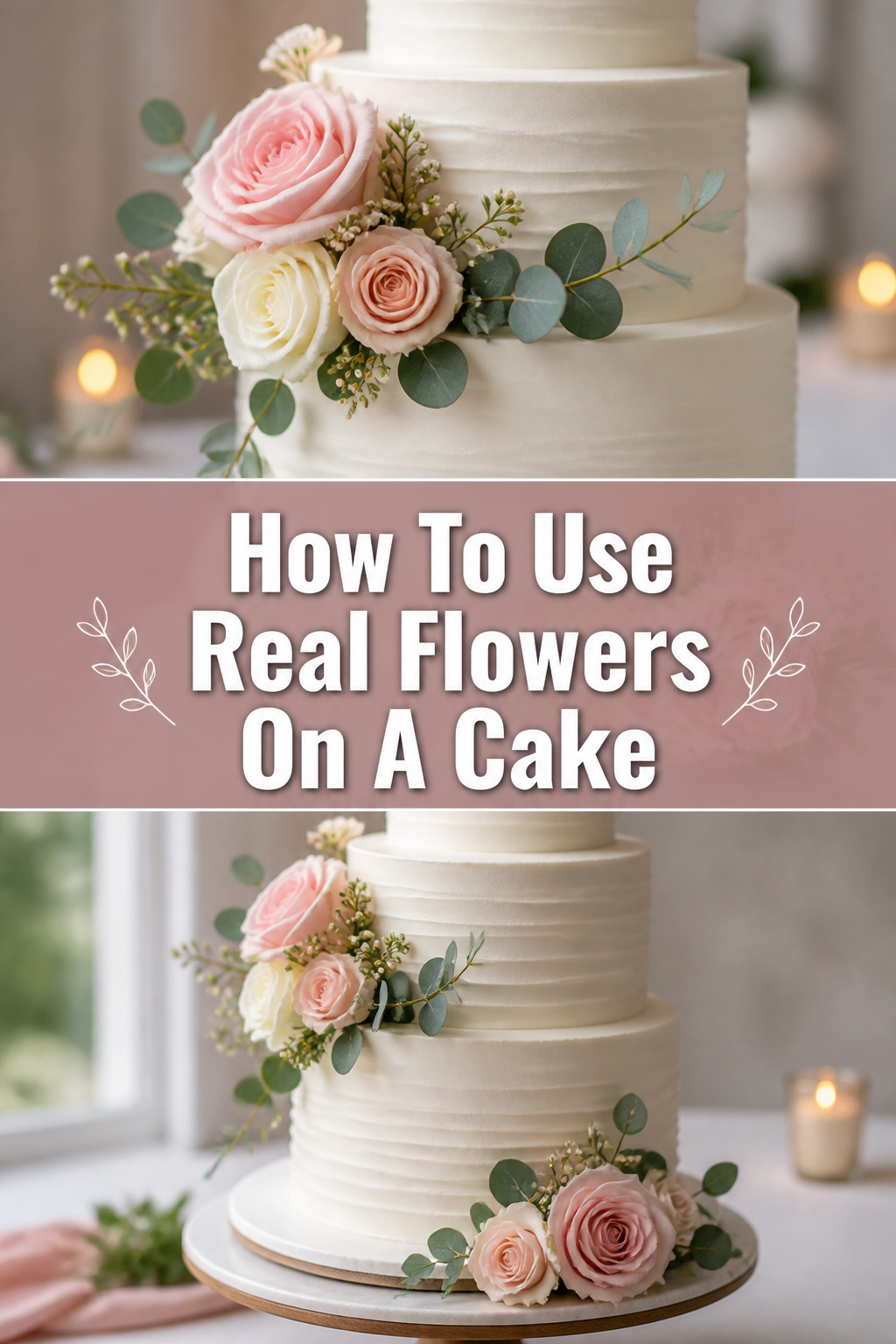
🌸 How To Use Real Flowers On A Cake
Wedding Planning
No fluff, no drama. Just easy weekly advice, planning shortcuts, and gentle reminders to help you actually enjoy your engagement.
There’s something truly magical about a cake adorned with fresh, vibrant blooms. It transforms a simple dessert into a breathtaking centerpiece.
I’ve spent countless hours in my kitchen, experimenting with different techniques to achieve that perfect floral touch. This guide shares my tried-and-true methods to ensure your cake looks stunning and stays food-safe.
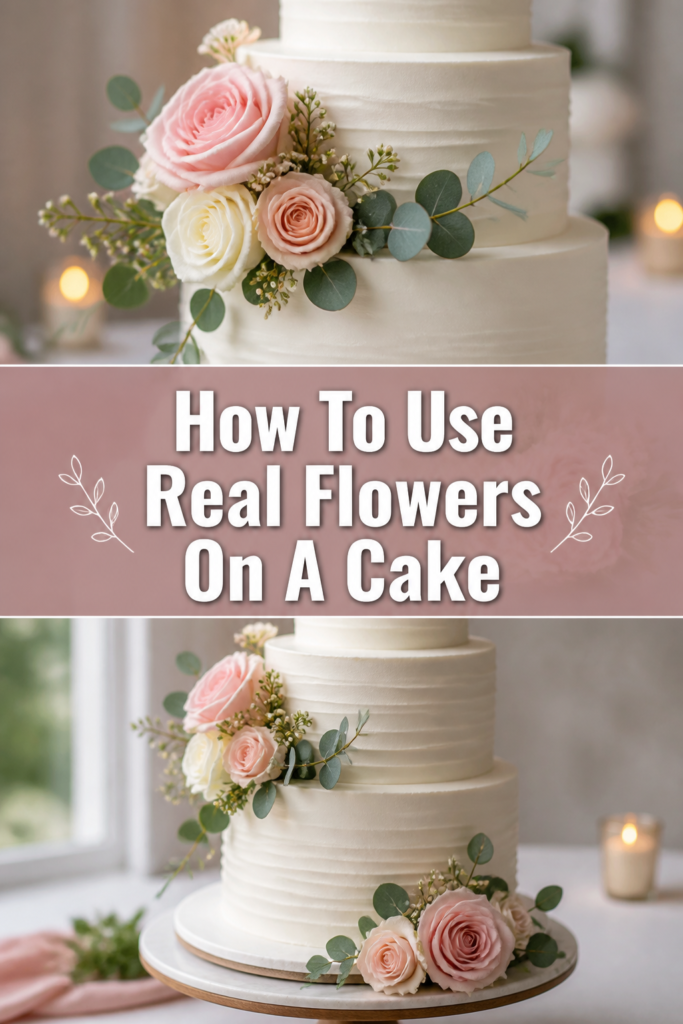
Quick Overview
This guide will walk you through everything needed to safely and beautifully decorate your cakes with real flowers. You’ll learn how to select, prepare, and arrange blooms like a pro.
- Time needed: 1-2 hours (plus flower chilling time)
- Difficulty: Intermediate
- What you’ll need: Food-safe flowers, floral tape, floral picks, sharp scissors, parchment paper, cake.
Step-by-Step Instructions
Step 1: Choose Your Flowers Wisely
Select only food-safe and non-toxic flowers. Many beautiful blooms are toxic, so research is crucial. Opt for organic flowers free from pesticides.
Consider the size and scale of your cake. Smaller cakes suit delicate blooms, while larger cakes can handle more substantial arrangements. Think about your overall color scheme and desired aesthetic.
Pro Tip: Edible flowers like pansies, violas, roses, lavender, and calendula are excellent choices. Always double-check any flower’s safety before bringing it near food.
Step 2: Source Your Blooms Safely
Purchase your flowers from reputable sources. Look for florists who specifically label their flowers as “food-safe” or “organic.” Garden centers might also offer suitable options if you confirm their growing practices.
Avoid flowers from roadside stands or conventional florists unless you can verify they haven’t been sprayed with harmful chemicals. Pesticides and herbicides are not meant for consumption. Growing your own is the safest bet.
Step 3: Prepare Your Workspace and Tools
Gather all your materials before you begin. This includes your chosen flowers, sharp scissors, floral tape (food-safe, unwaxed is ideal), and individual floral picks or small pieces of parchment paper. Ensure your cake is fully cooled and frosted.
Clean your scissors and any surfaces that will come into contact with the flowers. Hygiene is important when working with food. A clean workspace prevents contamination.
Step 4: Clean and Condition Your Flowers
Gently rinse your flowers under cool running water. Pay attention to the petals and leaves, removing any visible dirt, dust, or tiny insects. Use a very soft brush if needed.
Pat them dry with a clean paper towel. Avoid soaking the flowers, as this can damage delicate petals. Trim the stems to your desired length using sharp scissors.
Step 5: Seal the Flower Stems
Protect your cake from direct contact with flower stems. Even food-safe flowers can release sap or moisture that might alter the cake’s taste or texture, and introduce bacteria. This step is critical for food safety.
Wrap the cut end of each stem with food-safe floral tape. Start just below the flower head and wrap tightly down the stem, covering the entire cut surface. Alternatively, you can insert each stem into a small, food-safe floral pick.
Pro Tip: For larger, heavier blooms, consider using a small piece of parchment paper wrapped around the stem and then secured with floral tape. This creates a more substantial barrier.
Step 6: Plan Your Floral Design
Visualize your arrangement before placing any flowers. Consider symmetry, asymmetry, cascades, or clusters. You can sketch your ideas or simply hold flowers near the cake to get a feel for the layout.
Identify focal points and supporting elements. Larger, more dramatic flowers often work best as focal points, while smaller blooms and greenery can fill in gaps and add texture. Think about balance.
Step 7: Carefully Place Flowers on the Cake
Insert the prepared, sealed stems directly into the frosting. Angle them slightly to achieve a natural look. Start with your largest flowers or main focal points first.
Build your arrangement by adding supporting flowers and greenery. Step back frequently to assess the overall balance and make adjustments. Don’t be afraid to reposition a flower if it doesn’t look quite right.
Step 8: Secure Your Arrangement (If Needed)
Ensure all flowers are firmly in place. For very delicate arrangements or cakes that will be transported, you might need extra security. A tiny dab of royal icing on the base of a flower can help it adhere to the cake surface.
Consider the weight of your flowers. Heavy blooms might need to be supported by a small “bed” of frosting or strategically placed next to a sturdier part of the cake structure. Gravity is your enemy here.
Step 9: Chill and Present Your Masterpiece
Refrigerate your finished cake immediately after decorating. This helps keep both the cake and the flowers fresh. The cool temperature slows wilting.
Present your cake as close to serving time as possible. Real flowers are delicate and look their best when fresh. Remove any non-edible flowers before serving if guests might try to eat them.
Common Mistakes to Avoid
Using Unidentified or Toxic Flowers
A common and dangerous mistake is assuming all flowers are safe. Many popular garden flowers, like hydrangeas, lilies, and oleander, are highly toxic and should never come into contact with food. Always verify a flower’s safety with a reliable source before using it.
Direct Contact Between Stems and Cake
Placing unsealed stems directly into the cake frosting or batter is a major food safety hazard. Stems can carry bacteria, pesticides, or sap that can contaminate your cake. Always create a barrier, whether with floral tape, picks, or parchment.
Over-Decorating or Poor Placement
While it’s tempting to use many beautiful flowers, an overloaded cake can look messy and detract from its elegance. Poor placement can also make the cake appear unbalanced or difficult to cut. Plan your design thoughtfully and use flowers sparingly for maximum impact.
Decorating Too Far in Advance
Real flowers are perishable. Decorating your cake many hours or even a day before an event will likely result in wilted, sad-looking blooms. Always aim to decorate as close to the presentation time as possible to ensure your flowers look vibrant and fresh.
Troubleshooting
Flowers Are Wilting Rapidly
If your flowers start to wilt soon after placement, they might not have been properly conditioned, or the room temperature might be too warm. Ensure flowers are hydrated by placing them in water for a few hours before use. Keep the cake in a cool environment or refrigerate it immediately after decorating. A light misting with water (away from the cake itself) can sometimes revive them briefly.
Flowers Are Falling Off the Cake
This usually happens if the stems aren’t inserted deeply enough or if the frosting isn’t firm enough to hold them. Make sure your frosting is well-chilled and firm before inserting flowers. For heavier blooms, use a sturdier insertion method like a floral pick, or ensure the stem is firmly anchored into the cake itself (with a barrier, of course). You can also use a tiny dot of royal icing on the back of the flower to help it adhere to the cake surface.
Frosting Bleeding or Discoloring Around Flowers
Sometimes, sap or natural dyes from certain flowers can leach into the frosting, causing discoloration. This is why sealing the stems is so important. If you notice this, double-check that your stem barrier is complete and secure. If it continues to be an issue, consider using a different type of flower or adding a small piece of food-safe plastic wrap around the base of the flower before inserting.
Key Takeaways
- Always prioritize food safety by using only non-toxic, food-safe flowers.
- Thoroughly clean and properly condition all your blooms before use.
- Crucially, create a barrier between flower stems and the cake using floral tape or picks.
- Plan your floral design to ensure a balanced and aesthetically pleasing arrangement.
- Decorate your cake as close to the event as possible to maintain flower freshness.
- Refrigerate the finished cake to keep both the cake and the flowers fresh until serving.
Frequently Asked Questions
Are all flowers safe to put on a cake?
Absolutely not. Many common and beautiful flowers are toxic if ingested. It is critical to research each specific flower to confirm it is food-safe before using it on a cake. When in doubt, it’s best to choose edible varieties like roses or pansies.
How long will real flowers stay fresh on a cake?
The freshness of flowers on a cake depends on the type of flower, the ambient temperature, and how well they were conditioned. Generally, most flowers will look their best for 2-4 hours at room temperature. Refrigeration can extend this to 6-8 hours or even overnight for some hardy varieties.
Can I put flowers directly onto buttercream frosting?
While you technically can insert sealed stems into buttercream, it’s essential that the stems are completely wrapped in food-safe floral tape or inserted into floral picks. This prevents any sap, moisture, or potential contaminants from the stem from touching the edible frosting.
Do I need to remove the flowers before serving the cake?
Yes, it is highly recommended to remove all non-edible flowers before serving the cake. This prevents guests from accidentally consuming toxic parts. Even with food-safe flowers, it’s often best to remove them so the cake can be cut cleanly and easily.
Our Top Recommended Finds
- Food-Safe Floral Tape: Essential for wrapping stems and creating a barrier. Look for unwaxed, non-toxic varieties specifically designed for food applications.
- Small Sharp Scissors: Perfect for precise trimming of stems and leaves without crushing them, helping the flowers stay fresh longer.
- Individual Floral Picks: These small plastic tubes with pointed ends offer an excellent way to insert flower stems securely and hygienically into your cake.
Embrace Your Inner Floral Artist
Using real flowers on a cake is a beautiful way to personalize any celebration. It adds an organic elegance that artificial decorations simply can’t replicate.
Don’t let the thought of it intimidate you. With careful planning and the right techniques, you can create stunning, food-safe floral masterpieces. Start practicing with simple arrangements and watch your confidence bloom. Your next cake could be a showstopper!
Wedding Planning
No fluff, no drama. Just easy weekly advice, planning shortcuts, and gentle reminders to help you actually enjoy your engagement.