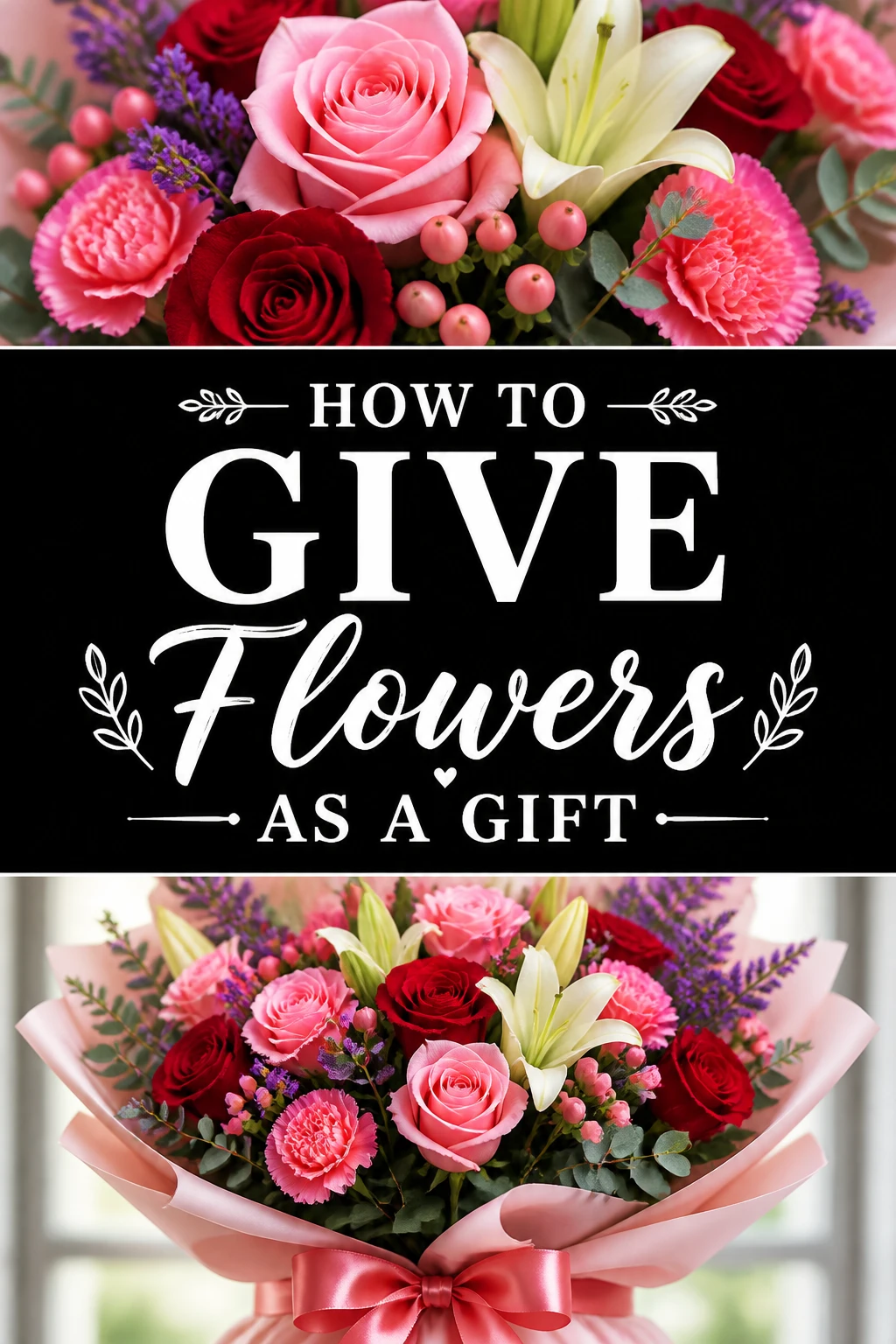
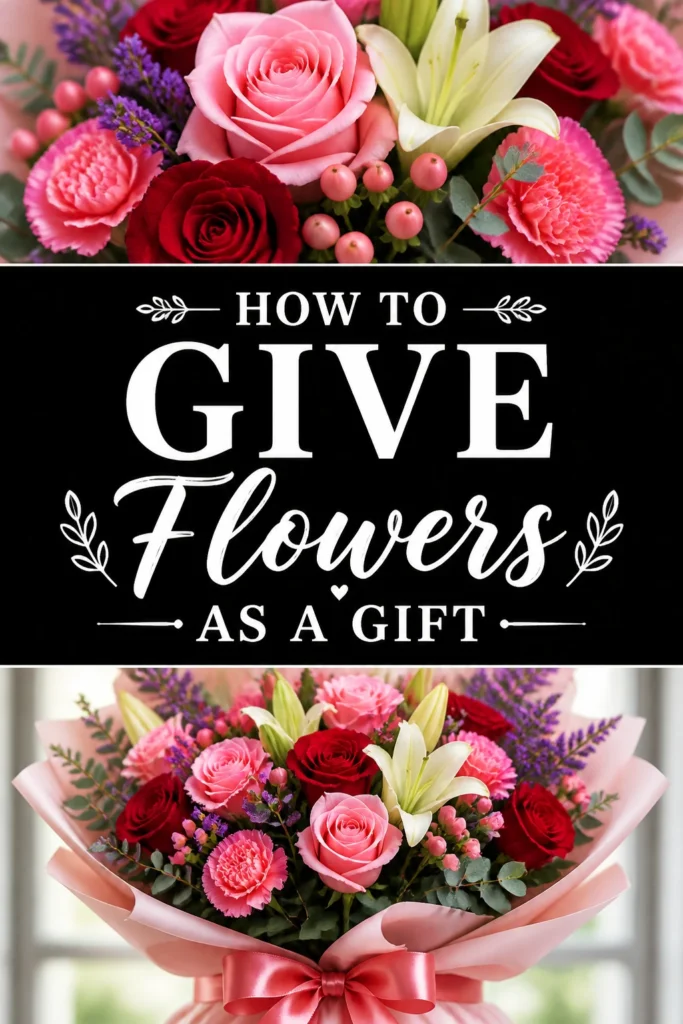
💐 How To Give Flowers As A Gift
Wedding Planning
No fluff, no drama. Just easy weekly advice, planning shortcuts, and gentle reminders to help you actually enjoy your engagement.
Giving flowers is a timeless gesture that speaks volumes without a single word.
I’ve seen firsthand the sheer joy a simple bouquet can bring, transforming an ordinary moment into something truly special.
This guide will equip you with the knowledge to make your floral gift unforgettable, ensuring your thoughtfulness shines through.
Quick Overview
This guide will walk you through the process of selecting, preparing, and presenting flowers, ensuring your gift is both beautiful and meaningful.
- Time needed: 45-90 minutes (includes selection, preparation, and delivery)
- Difficulty: Beginner
- What you’ll need: Fresh flowers, a thoughtful card, suitable wrapping or a vase, water, and perhaps some floral food.
Step-by-Step Instructions
Step 1: Understand the Occasion and Recipient
Before you even think about specific blooms, consider why you’re giving flowers. Is it for a birthday, an anniversary, an apology, or simply to brighten someone’s day?
The occasion often dictates the type, size, and formality of the arrangement. A grand gesture for an anniversary might differ from a casual “thinking of you” bouquet.
Think about the recipient’s personality, their favorite colors, or any known preferences. Do they love bold, vibrant hues, or do they prefer subtle pastels?
Pro Tip: If you’re unsure of their specific taste, opt for classic, universally loved flowers like roses or lilies in a versatile color, or a mixed seasonal bouquet.
Step 2: Choose the Right Flowers
Selecting the actual flowers is where your thoughtfulness truly comes into play. Different flowers carry various meanings, and colors also play a significant role.
Red roses symbolize deep love, while yellow roses often convey friendship or joy. White lilies can represent purity or sympathy, depending on the context.
Don’t feel pressured to know every meaning; focusing on what you know about the person is often more impactful. Consider their home decor or personal style to ensure the flowers will feel like a natural fit.
When picking flowers, always look for freshness. Petals should be firm, not wilted or bruised, and the stems should be strong and green.
Step 3: Consider Presentation and Arrangement
How you present the flowers can elevate the entire gift. A simple, hand-tied bouquet is charming for a casual gesture.
For a more formal occasion, consider a pre-arranged bouquet in a beautiful vase. This saves the recipient the hassle of finding a suitable container immediately.
You might also consider a potted plant, especially if the recipient enjoys gardening or you want a gift that lasts longer. Orchids or peace lilies are elegant choices.
Pro Tip: If you’re buying a wrapped bouquet, ask the florist for a “water source” option, like a small water-filled pouch around the stems, to keep them hydrated until delivery.
Step 4: Craft a Heartfelt Message
The card accompanying your flowers is almost as important as the flowers themselves. It’s where you articulate your feelings and the reason for your thoughtful gift.
Keep your message sincere and personal. A few genuine sentences are far more impactful than a lengthy, generic note.
Reference an inside joke, a shared memory, or simply express your appreciation or love directly. Make it clear why you chose to send them flowers.
Step 5: Prepare for Transport and Delivery
Once you have your flowers and card, proper preparation for transport is crucial. If they are cut flowers, ensure their stems are in water as much as possible.
If you’re transporting them yourself, place them upright in a box or a bucket with a few inches of water. Avoid leaving them in a hot car, which can cause them to wilt rapidly.
If you’re having them delivered by a florist, confirm the delivery address and preferred time. Provide a contact number for the recipient in case of any issues.
Step 6: The Act of Giving
The moment you hand over the flowers is part of the experience. Present them with a warm smile and make eye contact.
Briefly mention why you chose them, perhaps noting a favorite color or a specific flower meaning if it feels appropriate.
Allow the recipient to react and express their delight. This moment of connection is often the most rewarding part of giving flowers.
Pro Tip: If delivering to an office or public space, ensure you have a clear plan for how the recipient will receive them without too much fuss or inconvenience.
Step 7: Provide Care Instructions (Optional, but Thoughtful)
For cut flowers, a quick tip on how to care for them can help them last longer. This shows you’ve thought about their enjoyment beyond the initial gift.
Mention things like changing the water daily, trimming stems, and keeping them out of direct sunlight or drafts.
You can even write these brief instructions on a separate small card or mention them verbally when you present the gift.
Common Mistakes to Avoid
Ignoring Flower Meanings
While not everyone knows the specific meaning of every flower, some carry strong cultural associations. Giving red roses to a casual acquaintance might send the wrong message, while white lilies can sometimes be associated with funerals, which might be inappropriate for a celebratory event.
It’s wise to do a quick check on general flower meanings, especially if you’re selecting a dominant bloom. When in doubt, a mixed bouquet of cheerful, bright flowers is usually a safe and delightful choice.
Forgetting a Card or Writing a Generic One
Flowers are beautiful, but a card adds context and personal touch. Without it, the recipient might wonder who sent them or why. A generic “Thinking of you” misses an opportunity to connect.
Always include a card, and take a few moments to write something heartfelt and specific to your relationship with the recipient. This personal message transforms a lovely gift into a truly meaningful one.
Improper Transport and Hydration
Many a beautiful bouquet has wilted before it even reached its destination due to improper handling. Leaving flowers in a hot car or transporting them without a water source can quickly diminish their freshness and lifespan.
Always ensure cut flowers have access to water during transport. If you’re driving, use a bucket or ask the florist for a water-filled wrap. Keep them cool and upright to prevent damage.
Choosing Dying or Poor Quality Flowers
Giving flowers that are already past their prime defeats the purpose of the gift. Wilted petals, brown edges, or drooping stems send a message of haste or lack of care.
Always inspect flowers carefully before purchasing. Look for firm petals, vibrant colors, and strong, green stems. A fresh bouquet will bring far more joy and last considerably longer.
Troubleshooting
Flowers Wilting Quickly After Arrival
If your beautiful bouquet starts to droop shortly after being received, it often indicates a lack of water or improper stem care. The stems might not be absorbing water efficiently.
Trim about an inch off the bottom of each stem at an angle under running water. This prevents air bubbles from blocking water uptake. Place them immediately into a clean vase with fresh water and floral food. Remove any leaves that fall below the waterline to prevent bacterial growth.
Recipient Not Home for Delivery
It can be frustrating when the intended recipient isn’t available to receive their floral gift. Flowers are perishable, so leaving them out for too long isn’t ideal.
If you’re delivering them yourself, try to coordinate a delivery window or have a backup plan, like leaving them with a trusted neighbor. If using a florist, ensure they have the recipient’s phone number to arrange a suitable time or a safe place to leave the flowers.
Allergy Concerns
Some people have allergies to pollen, which can turn a thoughtful gift into an uncomfortable experience. Certain flowers are known for their high pollen count.
If you know the recipient has allergies, opt for hypoallergenic flowers. Good choices include roses (most varieties have low pollen), hydrangeas, tulips, irises, and snapdragons. Avoid highly fragrant flowers like lilies if you’re unsure, as strong scents can also trigger sensitivities.
Key Takeaways
- Understand the occasion and recipient’s preferences to choose the most fitting flowers.
- Select fresh, vibrant blooms with firm petals and strong stems for lasting beauty.
- Always include a personal, heartfelt message on a card to add context and warmth to your gift.
- Ensure proper hydration and careful transport to keep flowers fresh until they are received.
- Present flowers with a genuine smile and a brief explanation to enhance the gifting experience.
- Avoid common pitfalls like ignoring flower meanings or choosing poor-quality arrangements.
Frequently Asked Questions
How long do cut flowers typically last?
The lifespan of cut flowers varies greatly depending on the type of flower and how well they are cared for. Roses might last 5-7 days, while carnations can last up to two weeks. Proper care, like daily water changes and trimming stems, can extend their freshness.
Is it appropriate to give flowers to men?
Absolutely! Flowers are a wonderful gift for anyone, regardless of gender. Many men appreciate the beauty and thoughtfulness of a floral gift. Consider bolder arrangements, strong colors, or unique plants if you’re unsure of their preference, but ultimately, the gesture itself is what matters most.
Should I remove the thorns from roses before giving them?
It’s generally a good idea to remove thorns from roses, especially if you’re giving a hand-tied bouquet. This makes them safer and easier for the recipient to handle and arrange without pricking themselves. Most florists will do this for you, but it’s a simple task with a pair of gloves and a thorn stripper if you’re preparing them yourself.
What’s the best way to keep flowers fresh overnight before giving them?
To keep flowers fresh overnight, trim the stems at an angle and immediately place them in a clean vase filled with cool water and floral food. Keep them in a cool spot, away from direct sunlight, drafts, or ripening fruit, which releases ethylene gas that can accelerate wilting.
Our Top Recommended Finds
- Floral Snips or Shears: Essential for clean, angled cuts on stems, which helps flowers absorb water more efficiently.
- Flower Food Packets: These provide vital nutrients and antibacterial agents, significantly extending the life of cut flowers.
- A Sturdy, Attractive Vase: Having a versatile vase on hand ensures your beautiful bouquet always has a fitting home.
Embrace the Joy of Floral Giving
Giving flowers is more than just handing over a beautiful object; it’s an act of connection, kindness, and celebration.
By following these steps, you’re not just giving flowers; you’re crafting an experience, a memory, and a moment of genuine joy.
Don’t wait for a special occasion. Pick up a bouquet today and brighten someone’s world with this simple, yet powerful, gesture.
Wedding Planning
No fluff, no drama. Just easy weekly advice, planning shortcuts, and gentle reminders to help you actually enjoy your engagement.