👰♀️ How To Plan A Wedding On A Budget
Planning a wedding can feel overwhelming, especially when balancing dreams with a realistic budget. I remember the stress of wanting a beautiful day without starting our marriage in debt. It felt like an impossible puzzle at times.
This guide comes from navigating those very challenges. We learned how to create a memorable celebration that felt luxurious, all while staying firmly within our financial limits. You absolutely can have your dream day without breaking the bank.
Quick Overview
This guide will empower you to organize a stunning, budget-friendly wedding. You’ll learn practical strategies to save money without sacrificing style or joy. Get ready to celebrate smarter, not harder.
- Time needed: 3-6 months for planning (depending on complexity)
- Difficulty: Intermediate
- What you’ll need: A clear vision, an open mind, a spreadsheet, and a willingness to get creative
Step-by-Step Instructions
Step 1: Set Your Non-Negotiable Budget
Before anything else, decide on your absolute maximum spend. This isn’t just a number; it’s your financial guardrail for every decision ahead. Discuss this openly and honestly with your partner and any contributing family members.
Once you have that figure, subtract a 10-15% buffer for unexpected costs. This buffer is crucial for peace of mind and avoids last-minute financial stress. It keeps your budget truly realistic.
Step 2: Define Your Wedding Vision and Priorities
Sit down with your partner and list your top three “must-haves” for the day. Is it incredible food, stunning photography, or a specific venue? Knowing what truly matters will guide your spending.
Everything else can be scaled back or reconsidered. This clarity prevents overspending on things that aren’t central to your vision. It’s about intentional allocation of funds.
Step 3: Craft a Strategic Guest List
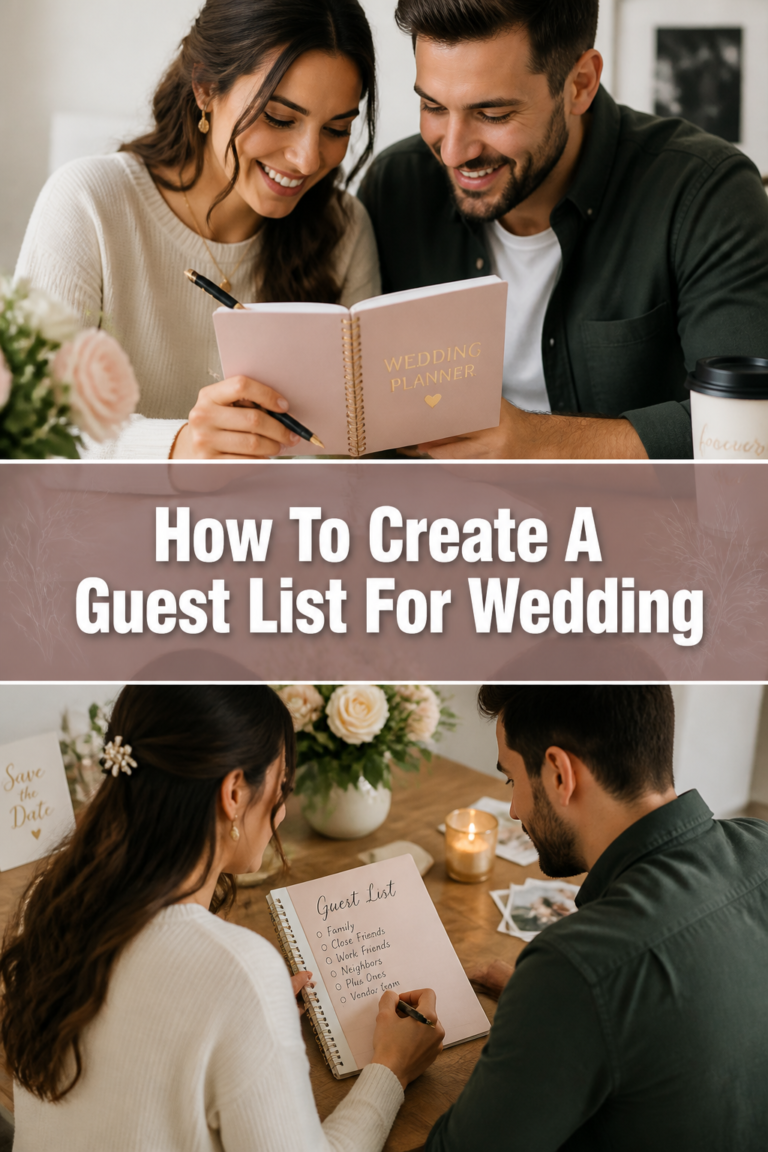
Your guest count is the single biggest factor in your wedding budget. Every additional person adds to catering, drinks, favors, and even venue size. Be ruthless but kind in your selections.
Consider a “tiered” guest list: A-list for ceremony and reception, B-list for an evening party or a smaller, more intimate gathering. Remember, fewer guests mean more quality time and significant savings.
Pro Tip: Before finalizing, ask yourselves: “Have we spoken to this person in the last year? Do they actively enrich our lives?” This helps make tough cuts.
Step 4: Choose an Affordable Venue and Date
Look beyond traditional Saturday evenings in peak season. Consider off-peak days like Fridays or Sundays, or even a weekday wedding. Venues often offer significant discounts during these times.
Explore non-traditional venues too. Think community halls, public parks, restaurants with private rooms, or even a beautiful backyard. These options often come with lower rental fees and more flexible catering policies.
Step 5: Be Smart About Vendor Selection
Research is key here. Get multiple quotes for every service: photography, catering, music, and florals. Don’t be afraid to compare packages and ask for custom options.
Consider emerging talent. Newer photographers, DJs, or bakers might offer lower rates while still providing excellent quality as they build their portfolios. Always check their references and portfolios thoroughly.
Step 6: Embrace Strategic DIY
Identify areas where you can genuinely save money by doing it yourself. This might include invitations, simple centerpieces, or even a dessert bar. Focus on projects that are enjoyable and manageable.
Be realistic about your time and skills. Don’t take on too much, as stress can outweigh the savings. Enlist creative friends and family to help; often, they’re thrilled to contribute.
Step 7: Find Budget-Friendly Attire and Rings
Your wedding dress doesn’t have to be brand new or designer. Explore sample sales, consignment shops, or online marketplaces for pre-owned gowns. Many brides find stunning dresses at a fraction of the retail price.
For suits, consider renting instead of buying. For rings, explore alternative metals or stones, or look for vintage pieces. Lab-grown diamonds are also a beautiful and more affordable option.
Step 8: Plan for Smart Food and Drink Savings
Catering is a significant expense. Consider a brunch wedding, a cocktail reception with heavy appetizers, or a buffet instead of a plated dinner. These options can dramatically reduce per-person costs.
Ask venues about bringing your own alcohol or finding a caterer with flexible beverage packages. A signature cocktail or limited bar selection can save a lot compared to a full open bar.
Pro Tip: Skip the expensive wedding cake entirely and opt for a dessert bar with various treats from local bakeries or even homemade options. It’s often more popular and fun.
Step 9: Simplify Decor and Favors
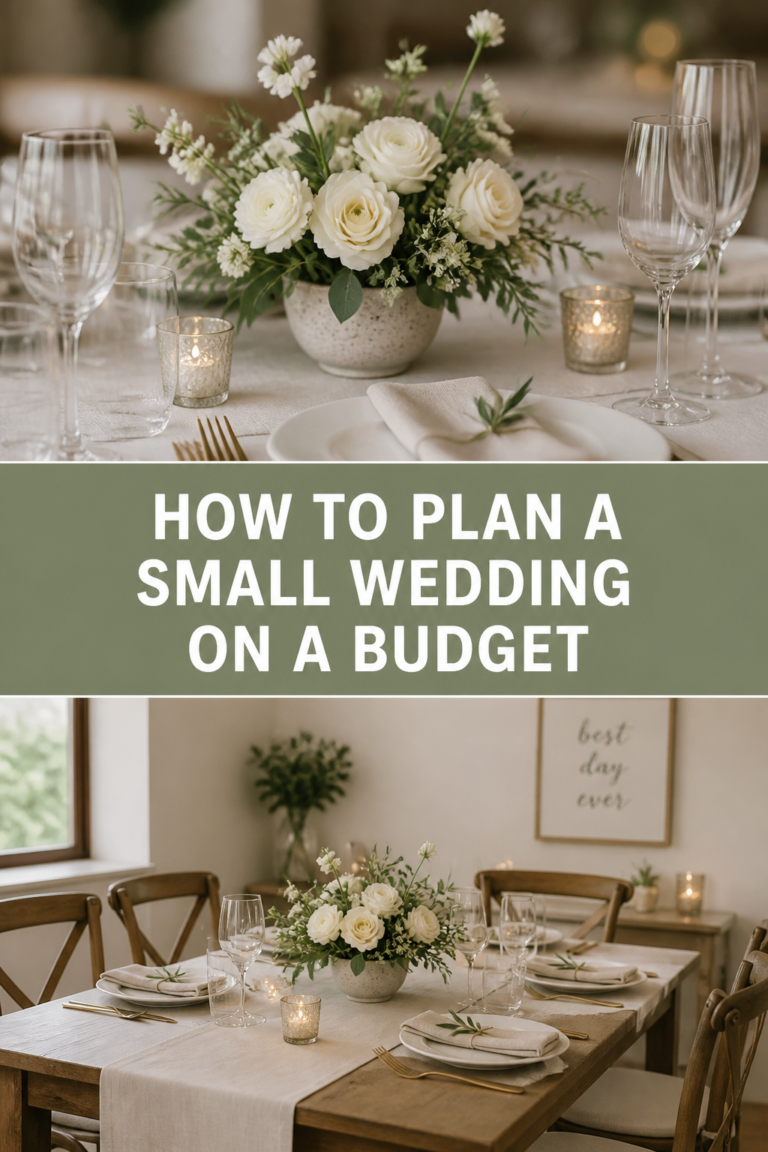
Less is often more when it comes to decor. Focus on a few impactful elements rather than trying to decorate every corner. Use natural elements like greenery or candles for an elegant touch.
Borrow items from friends or family, or rent decor instead of buying new. For favors, consider something edible like homemade cookies, or skip them altogether. Many guests don’t miss them.
Step 10: Leverage Digital and Eco-Friendly Options
Save on stationery by sending digital “save the dates” and invitations. Use a wedding website for RSVPs and information dissemination. This cuts down on printing and postage costs significantly.
For thank-you notes, a beautiful digital card can be just as heartfelt as a physical one, or use postcards for a more budget-friendly physical option. Embrace options that are kind to both your wallet and the planet.
Common Mistakes to Avoid
Comparing Your Wedding to Others
It’s easy to get caught up in what friends or social media influencers are doing for their weddings. This constant comparison leads to dissatisfaction and often pushes you to spend beyond your means. Your wedding should reflect your unique love story and priorities, not someone else’s. Focus on what truly matters to you and your partner.
Ignoring the Small Costs
Many couples meticulously budget for the big items but forget the numerous small expenses that add up. Think about postage for invitations, welcome bags, tips for vendors, beauty appointments, and thank-you gifts. Create a detailed line-item budget to capture every potential cost, no matter how small.
Not Negotiating or Asking for Flexibility
Assume that many prices are negotiable, especially with smaller vendors or for off-peak dates. Don’t be afraid to ask for a discount or inquire about custom packages that fit your budget. Politely ask if there’s any flexibility. The worst they can say is no, and you might save a substantial amount.
Waiting Too Long to Book Key Vendors
While flexibility is good, waiting too long to book essential vendors can limit your options and potentially force you into more expensive choices. Popular, affordable vendors get booked quickly. Once you have your date and venue, secure your photographer, caterer, and officiant promptly.
Troubleshooting
Budget Creep is Happening
If you find yourselves consistently going over budget on individual items, pause all spending. Revisit your original non-negotiable budget and your top priorities. Identify where the overspending is occurring and cut back elsewhere. It might mean re-evaluating a “nice-to-have” item that no longer fits.
Vendor Quotes Are Too High
Don’t settle for the first quote. Reach out to at least three vendors for each service. If all quotes are still too high, consider alternative types of vendors (e.g., a food truck instead of a full-service caterer). Also, try adjusting the scope of service; perhaps you need fewer hours from the photographer or simpler floral arrangements.
Family Expectations Are Conflicting with Budget
This is a common challenge. Have an honest, calm conversation with family members who have strong opinions. Explain your budget constraints and your vision for the day. Emphasize that you appreciate their input but ultimately, this is your wedding and your financial responsibility. Offer specific ways they can contribute that align with your budget, like helping with a DIY project.
Key Takeaways
- Establish a firm, realistic budget early and stick to it with a buffer.
- Prioritize your wedding “must-haves” to guide your spending decisions.
- Your guest list is the biggest budget lever; keep it intimate for savings.
- Consider off-peak dates and non-traditional venues for significant cost reductions.
- Research, compare, and negotiate with vendors to secure the best value.
- Embrace strategic DIY projects that align with your skills and time.
- Simplify decor and favors; less can be more impactful and budget-friendly.
Frequently Asked Questions
Can I really have a beautiful wedding on a small budget?
Absolutely! A beautiful wedding is defined by love, joy, and meaningful moments, not by excessive spending. By being intentional with your choices, prioritizing what matters most, and getting creative, you can have a truly stunning and memorable day that feels luxurious without the high price tag.
What’s the single biggest way to save money?
Reducing your guest count is hands down the most impactful way to save money. Every guest adds to the cost of food, drinks, seating, favors, and even venue size. A smaller guest list means a more intimate experience and significant financial relief across almost every category.
Should I tell vendors I’m on a budget?
Yes, being upfront about your budget can be helpful. It allows vendors to suggest options or custom packages that fit your financial parameters. Frame it positively, stating your desired price range, rather than just saying “I’m on a budget.” This fosters a collaborative approach.
Is it okay to ask friends or family to help?
It’s absolutely okay to ask for help, especially for tasks that align with their talents or passions. Many loved ones are honored to contribute to your special day. Be specific with your requests and always express sincere gratitude for their time and effort.
Our Top Recommended Finds
- Wedding Planning Spreadsheet Template: An organized spreadsheet helps track every expense and keeps you on budget.
- DIY Wedding Craft Supplies: For personalized touches, having a stock of basic craft items like cardstock, ribbon, and glue guns is invaluable.
- Wedding Dress Consignment Shops: A fantastic resource for finding high-quality, pre-owned gowns at a fraction of the original price.
Your Dream Day, Within Reach
Planning a budget wedding isn’t about sacrifice; it’s about smart choices and creative solutions. It’s about building a day that truly reflects you and your partner, without the burden of debt. Your wedding should be the start of a wonderful life together, not a financial strain.
Take these steps, embrace the challenge, and enjoy the process. Start today by sitting down with your partner and setting that initial budget. Your beautiful, affordable wedding awaits.